 A Mars By GHC guide
Flora Vaginal Probiotic Review: What to Expect in the First 30 Days
Flora vaginal probiotics work gradually to restore vaginal flora balance, with most users noticing initial changes within 7 to 14 days of consistent use.
Results from flora vaginal probiotics vary from person to person and there is no fixed timeline, so check with a doctor or pharmacist about what to expect before you start.
What Flora Vaginal Probiotics Actually Do
Vaginal flora probiotics deliver specific Lactobacillus strains that help restore and maintain the normal vaginal flora ecosystem. A healthy vaginal microbiome is dominated by Lactobacillus species that produce lactic acid and hydrogen peroxide, keeping pH between 3.8 and 4.5 and crowding out harmful bacteria and yeast.
When the balance shifts due to antibiotics, hormonal changes, or stress, you may experience symptoms like unusual discharge, odor, itching, or recurrent infections. Vaginal flora probiotic supplements aim to repopulate beneficial bacteria and restore that protective environment.
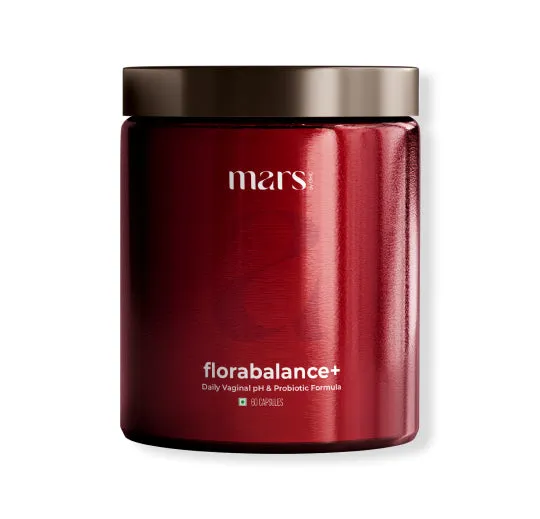
The flora vaginal supplement contains research-backed Lactobacillus strains specifically selected for vaginal health, unlike generic gut probiotics that may not colonize the vaginal tract effectively. Check the latest price and grab our code before starting your first bottle.
Getting Started
Follow the label directions, and ask a doctor or pharmacist before you start. Avoid douching or harsh soaps, as they can disrupt the rebalancing process.
Adding Other Supplements
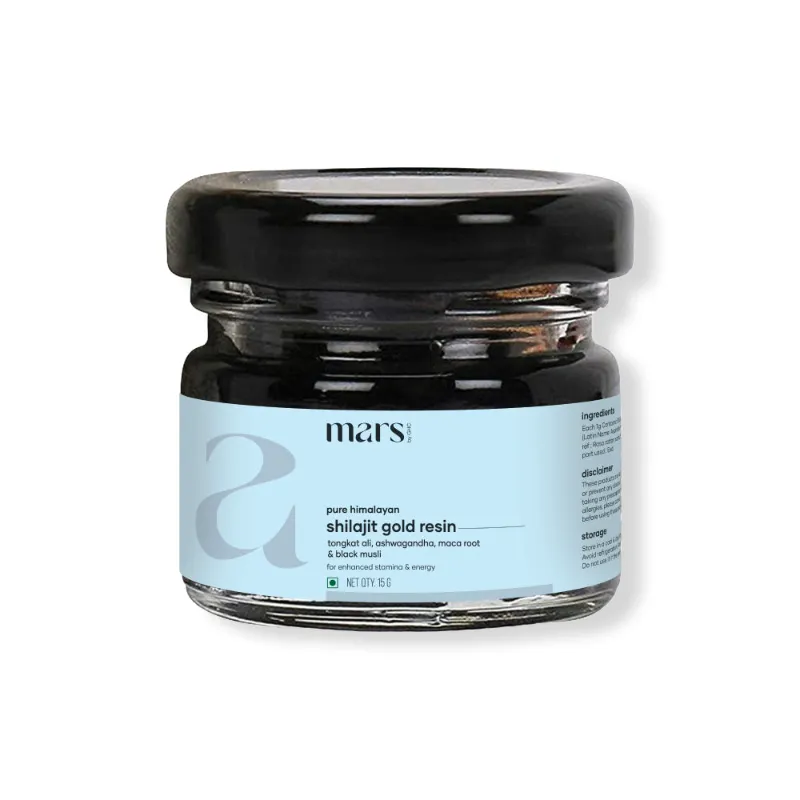
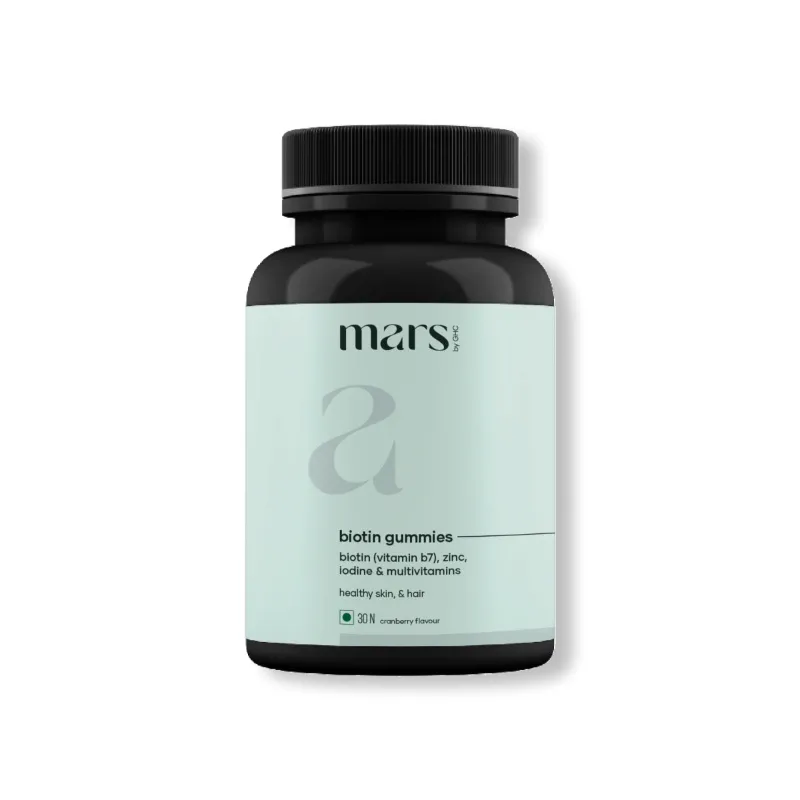
For users exploring broader wellness support, the Mars by GHC line also offers targeted supplements like shilajit gold for energy and biotin gummies for hair growth, though we recommend focusing on one new supplement at a time to track individual effects.
How Long to Keep Taking It
Research on probiotics in vaginal health is worth reading if you want the background. Ask your doctor or pharmacist how long to continue, especially if you started because of recurrent infections.
Who Should Consider a Vaginal Flora Test
A vaginal microbiome test can provide specific insight into which bacterial strains dominate your flora and whether imbalance is present. Consider testing if:
- You experience recurrent infections (three or more per year)
- Standard probiotic supplementation hasn’t improved symptoms after 6 weeks
- You want to confirm rebalancing after treatment for bacterial vaginosis or trichomoniasis
- Lab results previously noted “flora indicative of vaginal urethral contamination present” or mixed flora
Some at-home vaginal microbiome test kits analyze Lactobacillus levels, diversity, and the presence of dysbiosis markers. Discuss results with your provider to tailor probiotic strain selection if needed. Understanding vaginal flora composition helps you choose the most effective supplement for your specific imbalance.
Factors That Can Slow Results
Even with consistent supplementation, certain habits and conditions can delay rebalancing:
- Antibiotic use: necessary for treating infections, but they also kill beneficial bacteria. Ask your pharmacist how to time probiotics around antibiotics.
- High sugar intake: feeds yeast and disrupts bacterial balance. Reducing refined carbs supports probiotic efficacy.
- Smoking: alters vaginal pH and reduces Lactobacillus colonization.
- Hormonal contraceptives or menopause: lower estrogen can thin vaginal tissue and reduce the nutrients Lactobacillus needs. Some users benefit from combining probiotics with topical estrogen (under medical guidance).
- Frequent intercourse without barrier protection: semen is alkaline (pH 7.2 to 8.0) and temporarily raises vaginal pH, giving non-Lactobacillus bacteria a window to grow.
What causes flora to be altered varies by individual, so identifying your specific triggers helps you support the probiotic with lifestyle adjustments.
Comparing Probiotic Options
When choosing a vaginal flora probiotic, prioritize strain specificity and CFU count. Here’s how options typically compare:
| Feature | Vaginal-Specific Probiotics | Generic Gut Probiotics |
|---|---|---|
| Lactobacillus strains | L. crispatus, L. rhamnosus, L. reuteri | Mixed Bifidobacterium, some Lactobacillus |
| CFU count | 5-10+ billion per dose | 1-50 billion (not strain-targeted) |
| Colonization evidence | Clinical trials for vaginal health | Primarily gut-focused research |
The flora vaginal supplement falls into the vaginal-specific category with targeted strains. Visit our discount code page to save 10% on your first order.
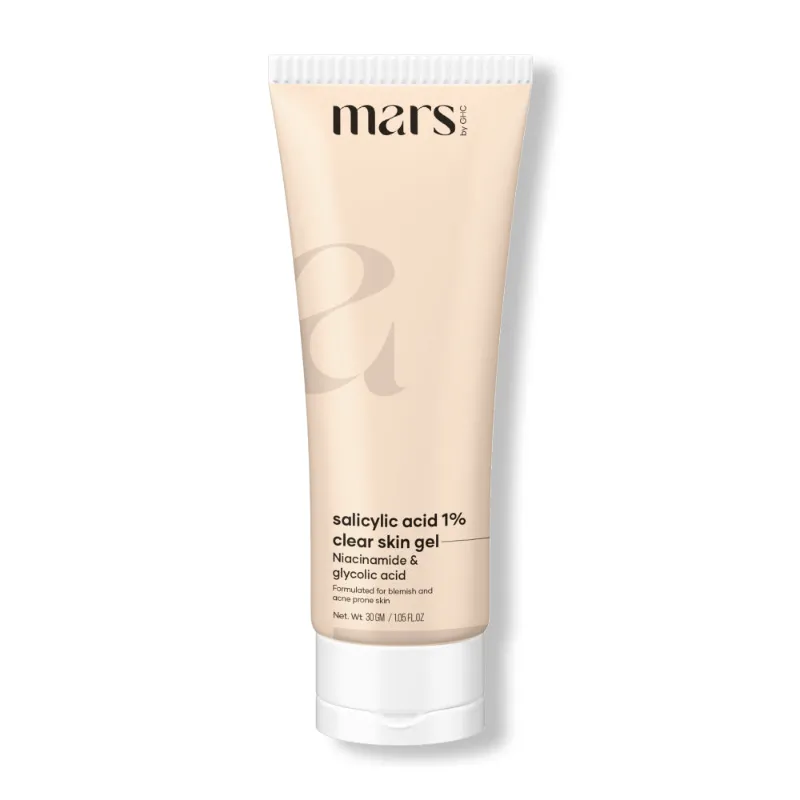
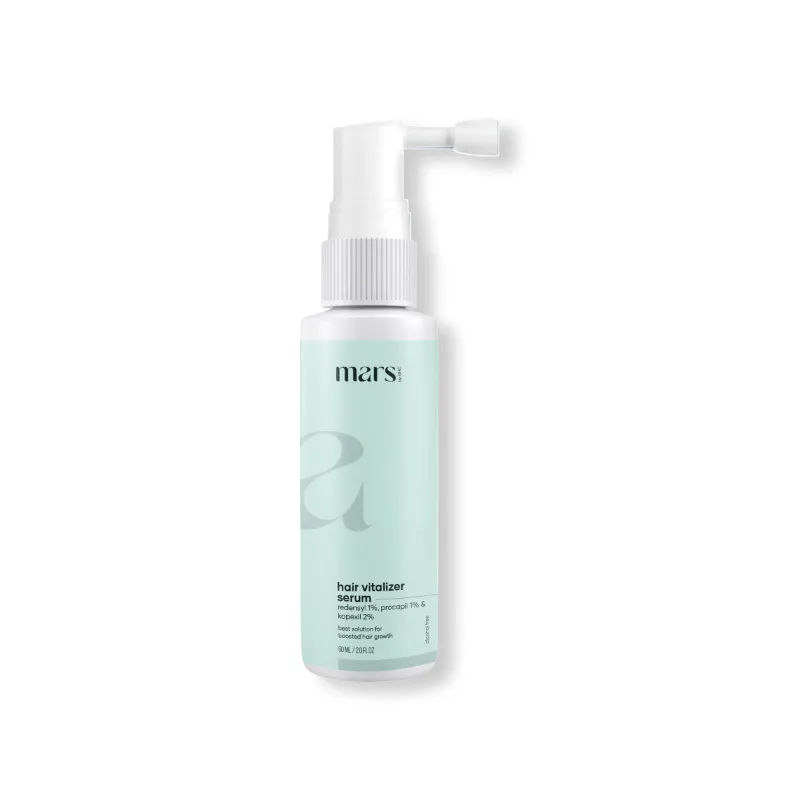
If you’re also addressing skin or hair wellness, Mars by GHC offers complementary products like salicylic acid creams for acne-prone skin or redensyl hair serum for thinning hair, though we recommend staggering new products to monitor individual tolerance.
What to Do If You Don’t See Results by Day 30
If symptoms persist after a full month of consistent use:
- Verify the probiotic strain: confirm your supplement contains vaginal-specific Lactobacillus (not just general strains)
- Ask about dosage: your doctor or pharmacist can tell you whether a different product or dose makes sense
- Rule out underlying conditions: persistent symptoms may indicate STIs, hormonal issues, or diabetes that require medical treatment alongside probiotics
- Consider vaginal vs. oral delivery: while oral probiotics work for many, vaginal suppositories deliver bacteria directly to the site and may be more effective for stubborn cases
Heavy growth of normal flora on a lab culture generally indicates a healthy, Lactobacillus-dominated microbiome. If your results show mixed flora or absence of Lactobacillus despite supplementation, consult your provider for targeted therapy.
Consistency matters more than perfection, so even if you miss a dose occasionally, resume your routine and continue supporting your microbiome health.
Questions
How long does it take for flora vaginal probiotics to work?
It varies from person to person, and there is no fixed timeline. Ask your doctor or pharmacist what to expect, and see them if symptoms do not improve.
Can I take vaginal probiotics during my period?
Yes, continue taking probiotics during menstruation. Menstrual blood temporarily raises vaginal pH, which can allow harmful bacteria to grow, so consistent probiotic use during your period actually helps maintain balance during this vulnerable window.
What causes vaginal flora to be altered in the first place?
Antibiotics, hormonal changes, stress, high sugar diets, smoking, douching, and unprotected intercourse are common triggers. Each disrupts the acidic environment or directly reduces beneficial Lactobacillus populations, allowing opportunistic bacteria or yeast to overgrow.
Should I get a vaginal microbiome test before starting probiotics?
Testing is optional for most people. If you have recurrent infections, haven't responded to standard probiotics after six weeks, or want confirmation of specific imbalances, a vaginal microbiome test can guide strain selection and track rebalancing progress.
Can men benefit from probiotics for vaginal health?
Men don't take vaginal probiotics themselves, but if a partner has recurrent infections, treating both partners can prevent reinfection. Mars by GHC offers men's wellness supplements like mars men for broader health support.
What does heavy growth of normal flora mean on a lab result?
Heavy growth of normal flora indicates a healthy vaginal microbiome dominated by beneficial Lactobacillus bacteria. This is the ideal result and suggests your vaginal pH and bacterial balance are in the protective range.
Products in this guide
 Shopping at Mars By GHC? See the discount code
10% OFF Sitewide
Shopping at Mars By GHC? See the discount code
10% OFF Sitewide
More in this series
 Alodi Sea Moss and Shilajit Gold Explained: What Each Supplement Actually Does6 Aug 20264 min
 Do Mars Nitric Oxide and Blood Flow Max Stack Well Together?6 Aug 20264 minBiotin Gummies for Hair Growth vs Redensyl Hair Serum: How They Differ6 Aug 20263 minHow to Use a 0.5mm Dermaroller With Redensyl Hair Serum6 Aug 20264 min
 Mars Men vs Shilajit Gold: Which Mars by GHC Supplement Actually Supports Men’s Wellness?6 Aug 20264 min