 A Era Organics guide
Era Organics Hypochlorous Spray vs. Rosacea Cream: Which One Actually Calms Sensitive Skin?
A hypochlorous spray and a dedicated rosacea cream both promise to calm reactive skin, but they work in completely different ways and suit different skin concerns.
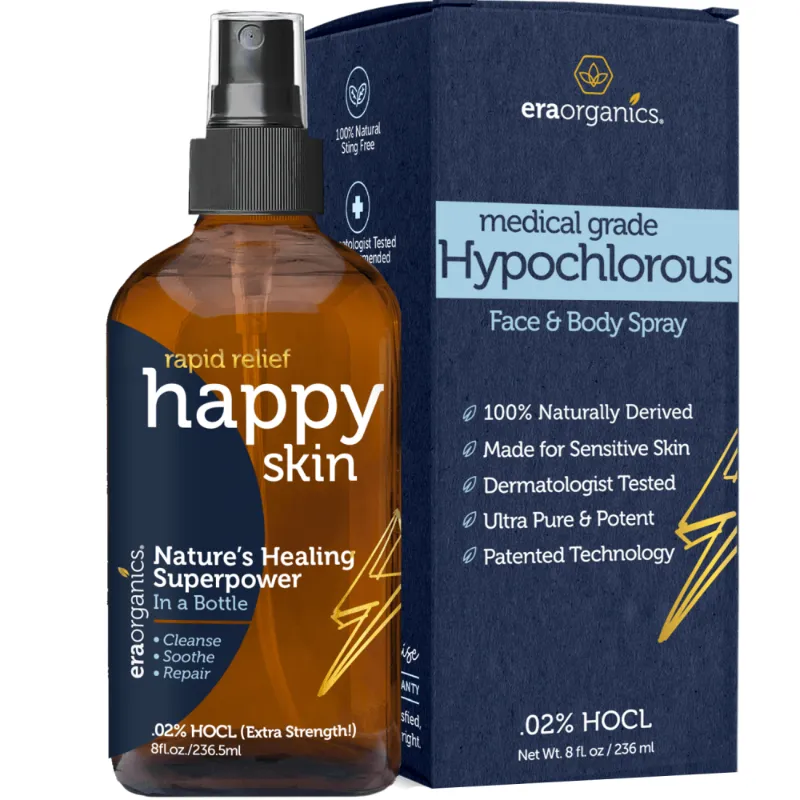
A hypochlorous spray is one of the most versatile tools in a sensitive-skin routine, yet many shoppers aren’t sure whether it outperforms a targeted rosacea cream for everyday redness and irritation. The short answer: they’re not rivals. They address skin distress at different levels and, for a lot of people, work best together. This guide breaks down how each one functions, who each suits, and how to layer them for maximum calm.
What Hypochlorous Spray Actually Does for Skin
Hypochlorous acid (HOCl) is a molecule your own immune cells produce to neutralize pathogens. When stabilized in a bottle, it becomes a gentle, non-toxic disinfectant that works on skin without disrupting the skin barrier the way alcohol or harsh antiseptics do.
Key things hypochlorous acid spray for skin does well:
- Kills bacteria, fungi, and viruses on contact without burning
- Reduces surface inflammation that triggers redness flares
- Supports wound healing and post-procedure recovery
- Doubles as a hypochlorous spray for piercings or minor cuts
- Can be misted over makeup or used as a mid-day refresh
Because it mimics the body’s own chemistry, even the most reactive complexions tend to tolerate it. People also reach for it as a hypochlorous spray acne treatment, since it disrupts the bacteria behind breakouts without over-drying the skin.
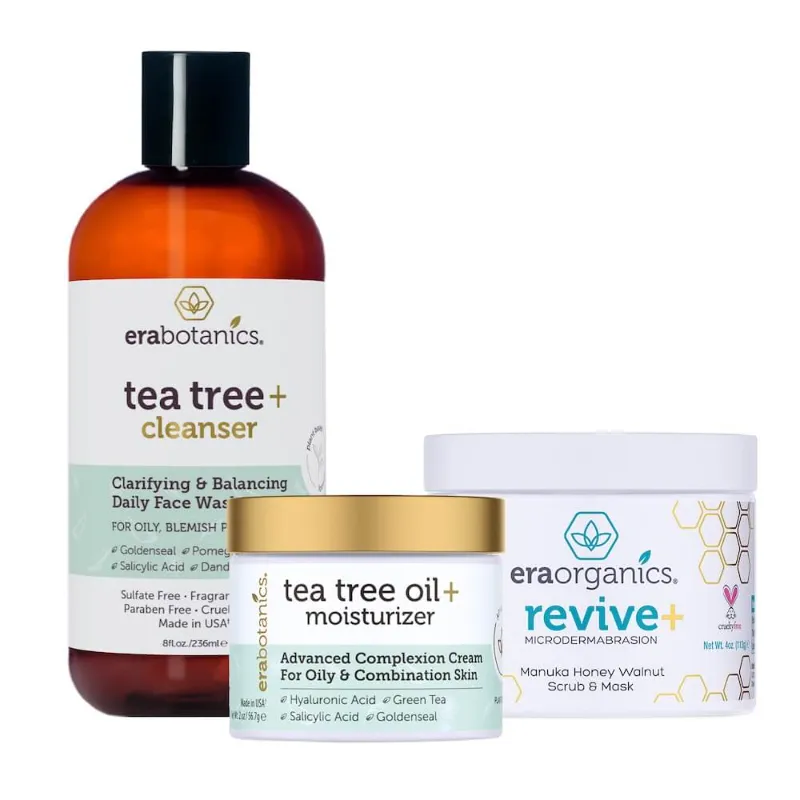
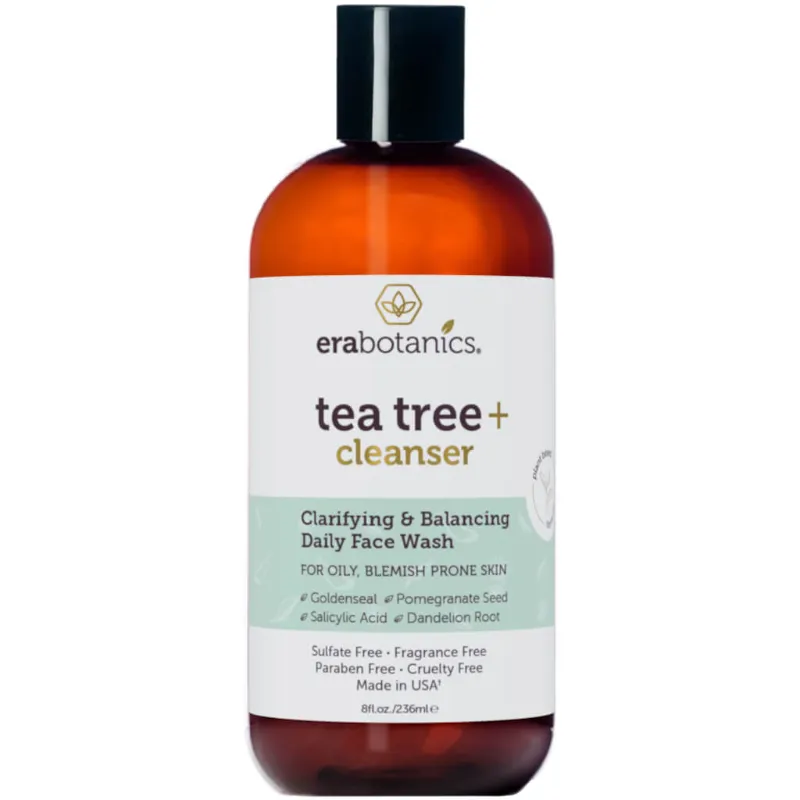
If you’re also dealing with body breakouts, pairing the spray with Era Organics’ back acne treatment or a gentle tea tree face wash makes a solid bacteria-fighting routine for face and body alike.
What the Era Organics Rosacea Cream Does
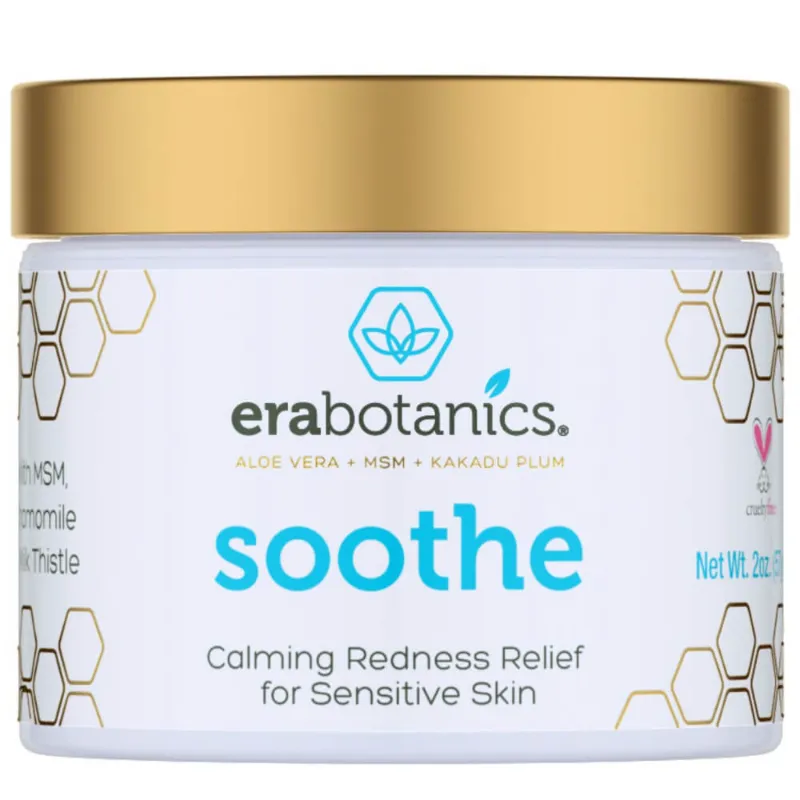
Where hypochlorous acid spray works at the surface and starts fast, a dedicated rosacea cream goes deeper and works over time. Era Organics formulates theirs to address the chronic, inflammatory nature of rosacea: persistent redness, visible capillaries, papules, and skin that overreacts to temperature changes, spicy food, or stress.
What a rosacea cream targets:
- Chronic diffuse redness rather than acute irritation
- Skin-barrier repair through moisturizing actives
- Long-term reduction in flushing frequency and intensity
- Visible texture improvement from papulopustular rosacea
The cream format also delivers sustained hydration, which matters because rosacea-prone skin typically has a compromised barrier. You get calming botanicals in prolonged contact with the skin, not just a brief mist.
Head-to-Head: Spray vs. Cream for Common Sensitive-Skin Scenarios
| Concern | Hypochlorous Spray | Rosacea Cream |
|---|---|---|
| Sudden redness flare | Fast, cooling relief | Slower, used as prevention |
| Chronic rosacea redness | Surface support only | Primary treatment |
| Acne alongside redness | Strong (antibacterial) | Limited acne action |
| Post-procedure skin | Excellent (gentle disinfectant) | Not ideal |
| Daily hydration | None | Yes |
| Piercings / minor wounds | Yes | No |
The table makes the decision pretty clear: if your problem is a diagnosable rosacea pattern with persistent flushing, the rosacea cream should be your anchor product. If your skin reacts to everything, breaks out, or needs quick soothing throughout the day, keep the hypochlorous spray in your bag.
How to Layer Both Products Effectively
Used together, these two products cover a wider range of sensitive-skin needs than either does solo. Here’s a simple morning and evening routine that works for most people:
Morning:
- Cleanse with a gentle tea tree face wash to remove overnight bacteria without stripping
- Mist hypochlorous spray across the face and let it dry naturally (no rinse needed)
- Apply rosacea cream as your moisturizing base
- Follow with SPF
Evening:
- Double cleanse if you wore SPF or makeup
- Mist hypochlorous spray again, especially over any active spots or irritated patches
- Apply rosacea cream as a night treatment
The spray sets up a clean, low-bacteria environment; the cream then seals in its calming actives. Neither product conflicts with the other.
Who Should Prioritize Each Product
Reach for hypochlorous spray first if you:
- Have acne-prone, reactive skin with occasional redness (not chronic rosacea)
- Want a multi-use product (hypochlorous spray uses span face, body, wounds, and piercings)
- Are recovering from a procedure, wax, or tattoo
- Need something safe near the eyes (hypochlorous spray for eyes is well-tolerated by many users, though always check label guidance)
- Want a quick, alcohol-free disinfectant around the home
Reach for rosacea cream first if you:
- Have a confirmed or suspected rosacea diagnosis
- Experience recurring, map-like facial redness regardless of triggers
- Need a barrier-repairing moisturizer in one step
- Find lightweight sprays alone don’t control your flushing
For many shoppers, the right answer is both. Check the latest price and grab our discount code to see current offers on the full Era Organics range before you add to cart.
Other Era Organics Products That Support Sensitive Skin
Era Organics’ lineup extends well beyond these two hero products. A few worth knowing about depending on your needs:
- hypochlorous acid solution: a companion format to the spray, useful for targeted application or dilution
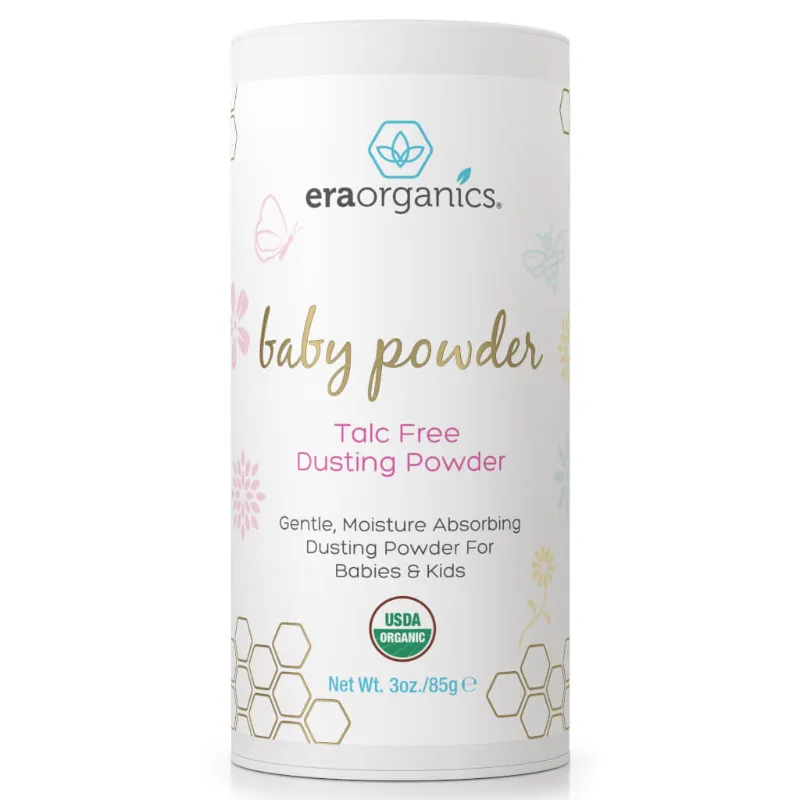
- talc free powder: great for sensitive areas prone to friction and moisture, especially for anyone who reacts to conventional talc-based powders
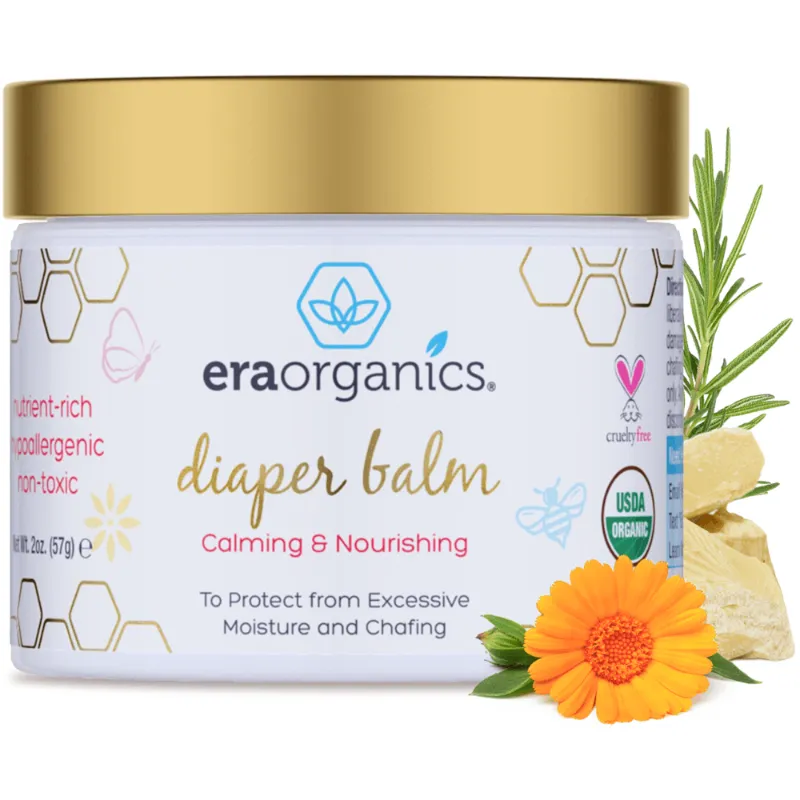
- era organics Diaper Ointment: the same gentle, barrier-focused philosophy applied to infant and ultra-sensitive skin
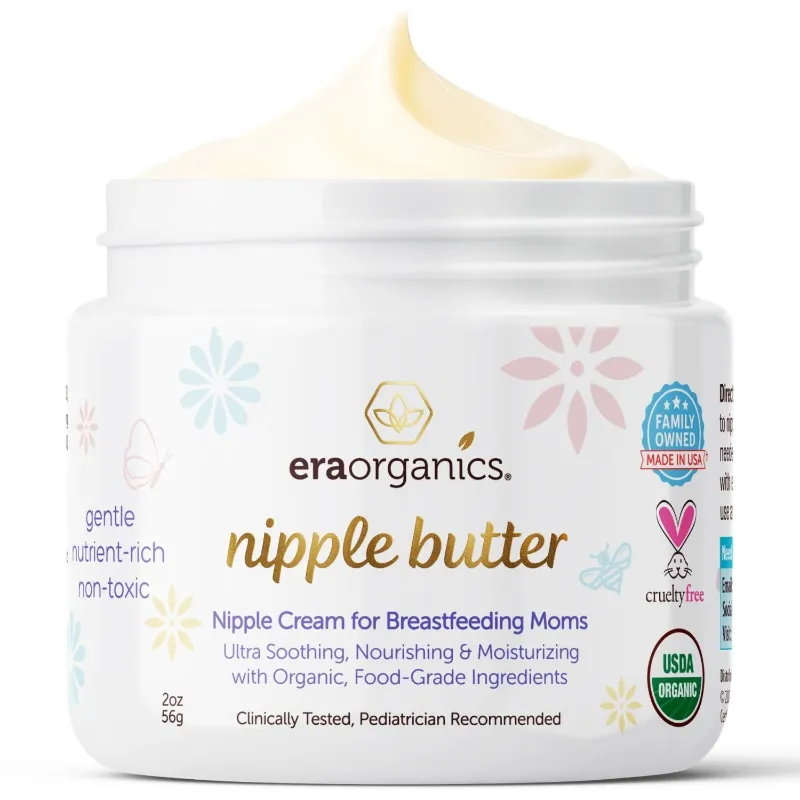
- nipple butter / nipple balm: deeply nourishing options for nursing parents dealing with cracked, inflamed skin
The connecting thread across all of these is the brand’s commitment to formulas that calm rather than aggravate reactive skin, which is exactly why pairing two of their products (spray plus cream) tends to work well rather than causing ingredient conflicts.
If you’re ready to build out your sensitive-skin kit, see all current Era Organics deals and discount codes before checking out.
Questions
Can I use a hypochlorous spray every day on sensitive or rosacea-prone skin?
Yes. Hypochlorous acid mimics a molecule your own immune system produces, so it is exceptionally well tolerated even by reactive skin. Most people can mist it on morning and evening without irritation.
Is the Era Organics hypochlorous spray safe to use near the eyes?
Hypochlorous spray is commonly used near the eye area and is an ingredient in some eyelid hygiene products. Always follow the specific label guidance on the Era Organics bottle, but the formula is generally considered gentle enough for delicate facial zones.
Will the rosacea cream clog pores or trigger breakouts?
Era Organics formulates its rosacea cream with sensitive, reactive skin in mind, so it is designed to be non-comedogenic. If you are acne-prone as well as rosacea-prone, pairing it with the antibacterial hypochlorous spray can help keep breakouts in check.
What is the difference between the hypochlorous spray and the hypochlorous acid solution?
Both deliver hypochlorous acid to the skin, but the spray format is optimized for broad facial misting while the hypochlorous acid solution allows for more targeted or concentrated application. Check the product pages to compare concentrations and intended use.
Is there a discount code available for Era Organics products?
Yes. Era Organics currently offers 15% off sitewide. You can find the active code and verify the latest pricing on our Era Organics discount code page before you buy.
Can I use the hypochlorous spray on piercings or minor skin wounds?
Hypochlorous spray is a well-established option for piercing aftercare and minor wound cleaning because it kills pathogens without damaging surrounding tissue or slowing healing, unlike alcohol-based antiseptics.
Products in this guide
 Shopping at Era Organics? See the discount code
15% OFF Sitewide
Shopping at Era Organics? See the discount code
15% OFF Sitewide
More in this series
The Surprising Reason Diaper Rash Cream Works as a Face Treatment5 Aug 20264 minEra Organics Nipple Butter vs Nipple Balm: Which to Choose?5 Aug 20263 minIs Talc Free Baby Powder Safer for Your Newborn? What Era Organics Gets Right5 Aug 20264 min How to Use Era Organics Methylene Blue Liquid Drops for Skin and Wellness5 Aug 20264 min