 A Proteck'd EMF Apparel guide
Does EMF Protection Clothing Actually Work? How to Check With an EMF Reader
An emf reader shows whether EMF protection clothing actually shields you from electromagnetic fields, and here's what the data reveals.
EMF protection clothing can reduce the radio frequency (RF) signal that reaches the area it covers, because silver or copper threads in the fabric reflect and absorb those signals, and an EMF reader is the simplest way to see that for yourself. What it does not do is cover the parts of you it does not touch, and it is not designed for every kind of field. Below we explain what these garments block, how a reader measures it, and how to run a fair check at home.
How an EMF reader measures fields
An EMF reader (or EMF meter) detects electromagnetic fields and shows their strength. Low frequency magnetic fields from wiring and appliances are usually shown in milligauss (mG) or microtesla (µT). Radio frequency fields from WiFi, phones and cell masts are shown in units such as volts per metre or power density. For background on the units and methods, see EMF measurement.
Many consumer readers measure low frequency (ELF) and RF fields separately, and some show both a live and a peak reading. That matters, because a garment aimed at RF will not change an ELF reading, and a meter that only reads ELF will not tell you anything about RF shielding.
What EMF protection clothing actually blocks
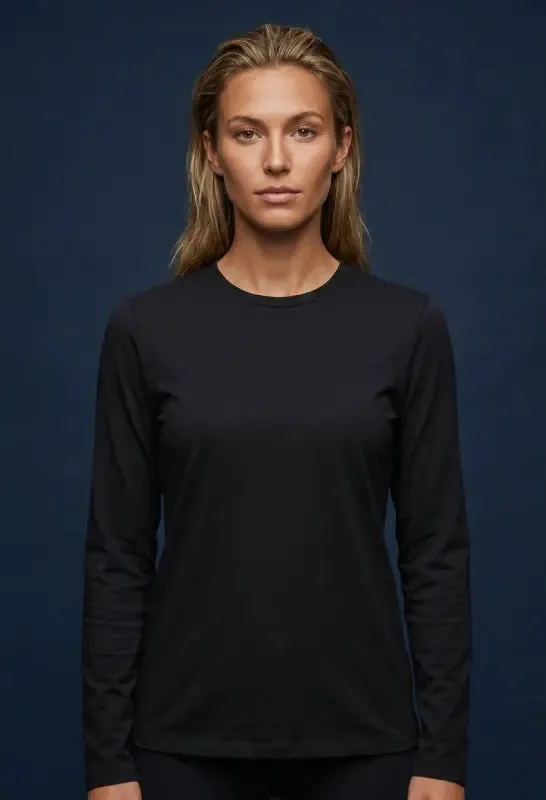
Proteck’d makes garments with silver-lined, conductive fabric, such as its silver-lined long sleeve shirt, silver-lined zip-up hoodie and Faraday beanie. Conductive fabric works on the same idea as a Faraday cage: it is aimed at RF signals, and it only affects the area it covers.
- Coverage is local. A beanie covers your head. A shirt covers your torso and arms. Gaps at the neck, cuffs and hem let signals in.
- Construction matters. Conductive threads need to be woven evenly, with no gaps, for the fabric to shield consistently.
- Low frequency fields are different. Thin conductive fabric is not designed to stop the low frequency magnetic fields from household wiring.
- Accessories are separate. An RFID and EMF phone case works on the phone, not on your body.
For a plain explanation of how detectors show field strength in real time, see EMF Detectors Explained.
EMF reader comparison: what to look for
| Feature | Basic reader | Better for checking clothing |
|---|---|---|
| Field types | ELF only | ELF and RF |
| Display | Single live reading | Live and peak readings |
| RF range | None | Covers WiFi and mobile bands |
| Size | Handheld | Small enough to fit inside a sleeve or hood |

To check silver-lined clothing or a silver-lined beanie, you need a reader that measures RF, since that is what the fabric is made for. Professional instruments, such as the High-Quality EMF Measurement Instruments Wavecontrol makes, are a different class of equipment. For a home check, a consumer RF meter is enough to show whether a garment makes a difference.
How to check EMF protection clothing yourself
A fair check compares like with like. We suggest this method:
- Pick a steady source. Stand a fixed distance from your WiFi router, with the reader held the same way each time.
- Take a baseline. Note the RF reading with the reader in the open.
- Put the reader inside the fabric. Readings taken with the meter outside your clothes measure the room, not what reaches you. Place the reader inside the hood, sleeve or beanie, with the fabric between it and the source.
- Repeat a few times. RF readings jump around, so compare several readings or the peak values rather than one number.
- Check the edges. Move the reader towards the cuffs or the opening to see where coverage ends.
If the reading drops with the fabric in the way, the shielding is doing its job for that spot. If it barely changes, you have learned something before relying on it. When you are ready to buy, see the current Proteck’d EMF Apparel discount code.
Is EMF protection clothing worth the cost?
That depends on what you want from it. If your aim is to reduce the RF signal reaching part of your body, conductive clothing can do that for the area it covers, and a reader lets you see it. If your readings at home are already low, a garment will change less.
We do not make health claims for these products. Whether everyday RF exposure needs shielding at all is a separate question, and if you have symptoms you are worried about, talk to a doctor rather than relying on clothing. Also think about comfort: wearing layers of conductive fabric every day is not practical for everyone, and care labels for silver-lined fabric are usually strict, so read them before you buy.
Who might choose EMF protection clothing
Some people want less RF near their body while working close to wireless equipment or sleeping near a router. Others buy for peace of mind. For both, a reader turns the question into something you can check.
If you are sceptical, a reader helps too. Rather than trusting a product description, you can measure a garment in your own home with a fair method. Start with a baseline reading, then check the Proteck’d code page before you order.
Questions
Does EMF protection clothing actually work?
It can reduce the RF signal reaching the area the fabric covers, because conductive silver or copper threads reflect and absorb it. It does not cover exposed areas and is not designed for low frequency magnetic fields from wiring. An RF-capable reader lets you check a garment yourself.
What does an EMF reader measure?
It measures electromagnetic field strength. Low frequency magnetic fields are usually shown in milligauss or microtesla, and radio frequency fields in units such as volts per metre. Many consumer readers measure the two separately.
Can I check EMF protection clothing with a home reader?
Yes, if the reader measures RF. Take a baseline reading near a steady source such as a router, then place the reader inside the garment with the fabric between it and the source, and compare several readings.
Do I need an expensive EMF reader?
Not for a home check. A consumer reader that measures RF is enough to see whether a garment changes the reading. Professional instruments are for formal surveys.
Can a Faraday beanie protect my whole body?
No. A beanie covers only your head. Other areas need their own garments, and a reader placed in different spots will show where coverage ends.
Products in this guide

 Shopping at Proteck'd EMF Apparel? See the discount code
10% OFF All Orders
Shopping at Proteck'd EMF Apparel? See the discount code
10% OFF All Orders
More in this series
Low Acid Foods and Root Beer with Caffeine: Building an EMF-Conscious Diet28 Aug 20264 min Why Turf Burn Skincare and EMF-Shielded Apparel Go Together for Active Lifestyles28 Aug 20264 minWhat to Know About an RFID and EMF Protection Phone Case: Setup and Care28 Aug 20264 minHow to Choose Between a Faraday Beanie and EMF Phone Case for Daily Protection28 Aug 20264 min