 A Deck the Door Decor guide
Door Kick Plate Alternatives: Protecting Your Entry Without Hardware
Door kick plate alternatives let you protect your entryway from scuffs and damage while adding visual polish to your door.
Door kick plate alternatives let you protect your entryway from scuffs and damage while adding visual polish to your door. Whether you’re managing kids, pets, or heavy foot traffic, the right door protection keeps your entry looking fresh.
Why You Need Door Protection Beyond Standard Hardware
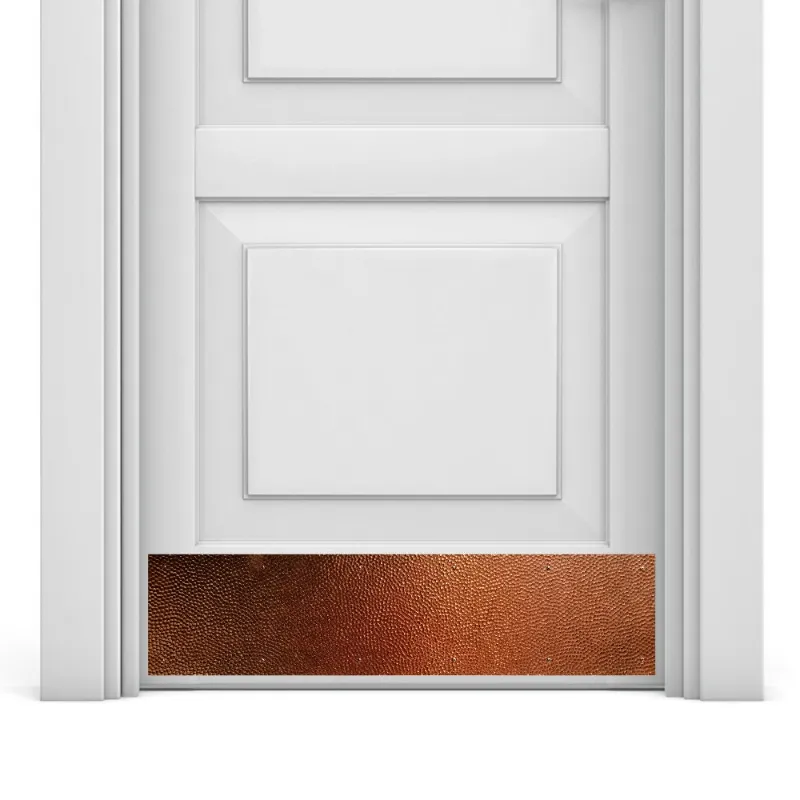
Entry doors take a beating. Shoes, bags, and the daily shuffle leave scuff marks that age your entryway fast. A kick plate for door or similar door protection solution prevents visible damage at the bottom 8-10 inches where contact happens most. The benefit isn’t just cosmetic: protecting this zone keeps your door’s finish intact and extends its life.
Standard hardware works, but door kick plate alternatives give you more control over style and material. Some homeowners want a decorative look; others prefer something invisible. The right choice depends on your door type, traffic level, and aesthetic goals.
Materials: Metal, Vinyl, and Magnetic Options
The best door kick plate alternatives come in three main categories.
| Material | Durability | Aesthetics | Best For |
|---|---|---|---|
| Metal (brass, stainless steel) | Highest | Polished, industrial, or vintage | High-traffic entries, statement looks |
| Vinyl or rubber | Moderate to high | Subtle, modern, invisible | Families with pets, minimal visual impact |
| Magnetic | High | Sleek, modern | Rental-friendly, tool-free installation |
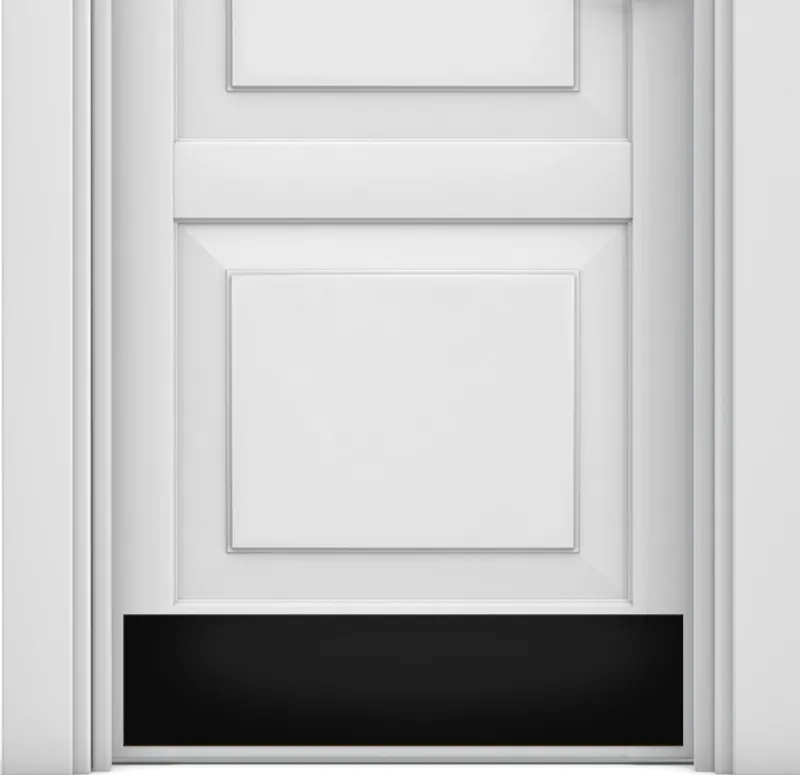
A metal door kick plate like brass or stainless steel handles heavy use and adds an intentional design element. Brass door plates work especially well on traditional or transitional doors. For renters or those hesitant about permanent fixtures, magnetic door kick plates stick without fasteners and remove cleanly.
Vinyl options sit between, protective without drawing attention. Choose based on your traffic level and how visible you want the protection to be.
Installation Methods for Different Door Types
How you install your door protection depends on your door material and whether you’re renting.
For permanent installations on owned homes, drill small pilot holes and secure with screws or adhesive strips. A front door kickplate typically sits 6-10 inches from the bottom and spans most of the door width. Start from one side and work across to keep it straight.
Renters and those avoiding holes should consider magnetic door kick plates, which adhere without tools or damage. Clean the door surface thoroughly, apply a primer if recommended, and press firmly for 24 hours of curing.
For glass or delicate doors, adhesive-backed vinyl works well. A door plate guard (like our exterior options) often comes with industrial-strength adhesive designed for outdoor conditions. Check the latest price and grab our 10% code if you’re buying protection for multiple doors.
Comparing Styles: From Minimalist to Statement
Door kick plate alternatives range from nearly invisible to bold design features.
- Minimalist vinyl: Clear or subtle color that blends with the door
- Polished metal: Brass door plates and stainless steel that read as intentional hardware
- Decorative finishes: Patterned or colored options that complement your entry
- Industrial edge: Raw metal or gunmetal for modern farmhouse or urban looks
Your choice affects the overall feel of your entryway. A plated door with decorative hardware changes the visual weight of your entry; subtle vinyl protection keeps the focus on the door itself.
Sizing and Coverage: Getting the Right Fit
Door protection comes in standard sizes, but your specific door dimensions matter. Most kick plates cover 6-10 inches from the floor and span 30-42 inches wide. Measure your door width and the exact zone where traffic creates scuffs, usually where people typically push or drag items.
Wider doors or those with multiple entry points may need multiple pieces. Our door kick plate alternatives guide at Protect Your Doors Without The Industrial Look breaks down sizing for common door types. For custom measurements, contact support or review the product specifications before ordering.
Best Practices: Installation, Cleaning, and Maintenance
Once installed, a kick plate on door requires minimal upkeep. Clean with a damp cloth monthly to remove dust and scuffs. For metal finishes, use appropriate cleaners (brass cleaner for brass door plates, mild soap for stainless steel) to avoid water spots or tarnish.
Check adhesive or screw tightness twice yearly, especially on high-traffic doors. Easy DIY Door Kick Plate covers common maintenance steps. If protection begins to peel or loosen, reapply adhesive or tighten fasteners promptly to prevent it from catching feet or creating a tripping hazard.
For a complete refresh, the cost of replacing a worn exterior door kick plate is far less than refinishing a damaged door. Grab the code for 10% off when you’re ready to refresh your entryway protection.
Who Benefits Most From Door Kick Plate Alternatives
Households with kids or pets see the fastest return on door protection, scuffs, paw prints, and stroller marks are facts of life. Renters benefit from non-permanent magnetic door kick plates that move with you. Professionals who care about curb appeal (real estate agents, business owners with residential entrances) use visible metal door kick plate options as a quick polish before showings or client visits.
Even one kick plate for door on your main entry prevents the most visible wear. Layer protection with door maintenance, and your entry stays looking maintained for years.
Questions
What's the best material for door kick plate alternatives in a rental?
Magnetic door kick plates are ideal for rentals because they require no drilling or permanent adhesive, so you can remove them cleanly when you move. They're durable and hold strong enough to protect your door for years.
Can door kick plate alternatives prevent all door damage?
They protect the lower zone where most scuffs occur, but severe impacts or damage higher up will still reach the door surface. They're most effective at preventing everyday wear from shoes, bags, and pet traffic.
How do I choose between metal and vinyl door kick plate alternatives?
Metal (brass or stainless steel) makes a design statement and handles heavy traffic better, while vinyl is nearly invisible and ideal if you want quiet protection. Your choice depends on whether you want the protection visible or hidden.
How often do I need to replace a kick plate on door?
A well-installed protective plate lasts 5-10 years depending on traffic and material. Metal holds up longer than vinyl, and you'll replace one sooner on a high-traffic entry than a guest door.
Are brass door plates prone to tarnishing?
Brass can tarnish over time, especially in humid climates, but regular cleaning with brass cleaner keeps it looking polished. If you prefer minimal maintenance, stainless steel or vinyl are lower-upkeep alternatives.
What size kick plate on door do I need?
Most doors work well with a plate that's 6-10 inches tall and spans 30-42 inches wide, depending on your door dimensions. Measure the area where you see the most scuffs and order to fit that zone.
Products in this guide
Shopping at Deck the Door Decor? See the discount code
10% OFF All Orders
More in this series
Magnetic Door Kick Plates vs. Traditional: Which Lasts Longer12 Sep 20264 minDo Door Kick Plates Really Prevent Damage? What to Know Before You Fit One12 Sep 20264 minBest Materials for Door Kick Plates: Brass, Metal, and Magnetic Options Compared12 Sep 20263 minHow to Install a Door Kick Plate in 5 Simple Steps12 Sep 20265 min