 A Journaldream guide
Why Your Decorative Tape Won’t Stick: Troubleshooting Pet Tape and Washi Tape Adhesion
Pet tape fails to stick when surface prep is skipped, the tape is old, or you're applying it to the wrong material—here's how to fix and prevent it.
Pet tape should adhere cleanly to paper and cardstock, but poor adhesion is one of the most common frustrations crafters face. The good news is that most sticking failures are preventable, and we can walk you through the exact troubleshooting steps to get your decorative tape working reliably.
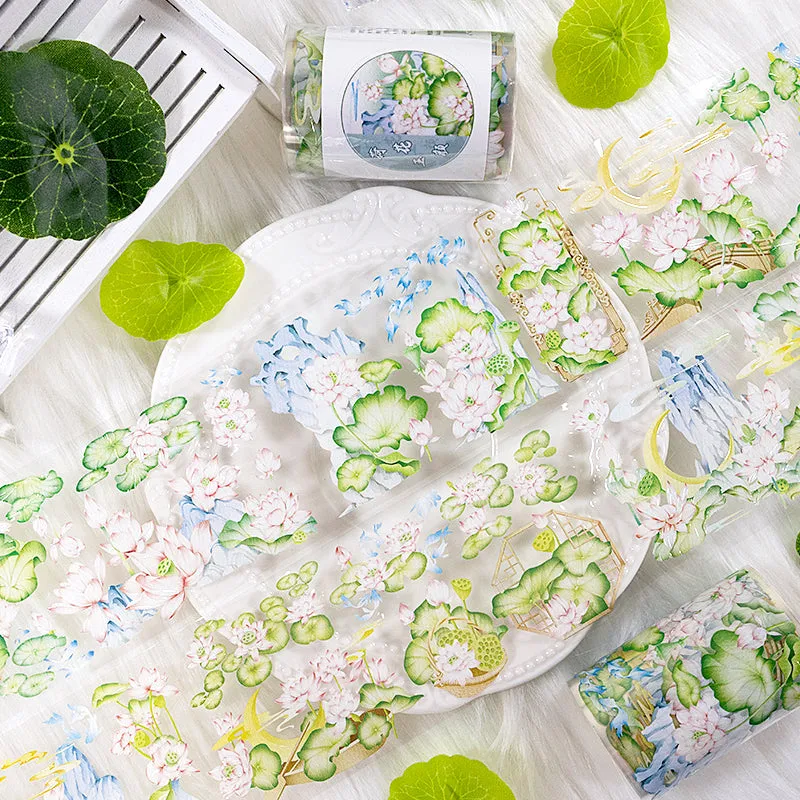
Unlike standard washi tape, pet tape uses a synthetic polyester film backing that grips differently depending on surface texture, humidity, and application technique. When it fails to hold, you’re usually dealing with one of a handful of fixable issues.
Surface Prep: Why Your Pet Tape Won’t Stick
The number one reason pet tape refuses to adhere is a dirty or dusty surface. Paper dust, eraser residue, oils from your hands, and lint all create barriers between the tape and the substrate.
Before applying pet tape:
- Wipe the surface with a dry, lint-free cloth to remove dust and debris
- Use a soft eraser if the paper is soiled; erase gently to avoid damaging delicate cardstock
- Avoid touching the area with bare fingers right before taping; skin oils transfer easily
- Let any adhesive or glue dry completely if you’ve been working on the same spot
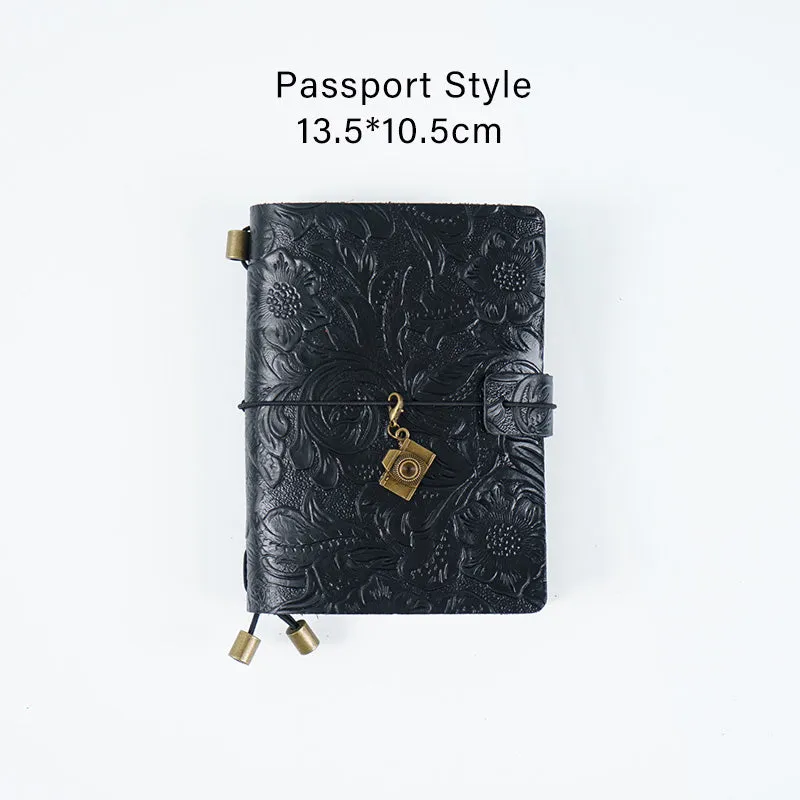
This is especially critical when working on vintage notebook pages or the cover of a retro journal, where paper can be more delicate and dusty from storage. A quick wipe takes seconds and prevents hours of frustration.
Pet Tape Vs Washi Tape: Different Adhesives, Different Surfaces
Pet tape vs washi tape performance varies because they use different backing materials and adhesive formulations. Understanding the difference between washi tape and PET-tape helps you choose the right tape for your surface and troubleshoot failures faster.
Pet tape works best on:
- Smooth cardstock and paper
- Kraft paper and specialty card stock
- Laminated surfaces
- Vinyl stickers and photo overlays
Washi tape performs better on:
- Textured, handmade papers
- Fabric and linen
- Rough cardstock
- Porous surfaces that grip fibers
If you’re trying to use pet tape on heavily textured or fabric-like paper, it may never stick reliably. Switch to washi or test a small piece first. Check the latest price on both tape types to compare options for your project.
Age and Storage: Degraded Tape Loses Adhesion
Decorative tape degrades over time, especially in heat or humidity. The adhesive on old pet tape rolls becomes less tacky, and the backing film can become brittle or develop a dry, resistant surface.
Signs your tape is past its prime:
- It unrolls with visible cracks or splits in the backing
- The adhesive feels waxy or hard instead of slightly sticky
- It peels off immediately after application with minimal pressure
- The roll has been stored in direct sunlight or high heat for months
Tape stored in cool, dry conditions lasts years. Tape left in humid bathrooms, hot cars, or damp craft rooms deteriorates much faster. Store your pet tape rolls in a sealed container or drawer away from heat and moisture.
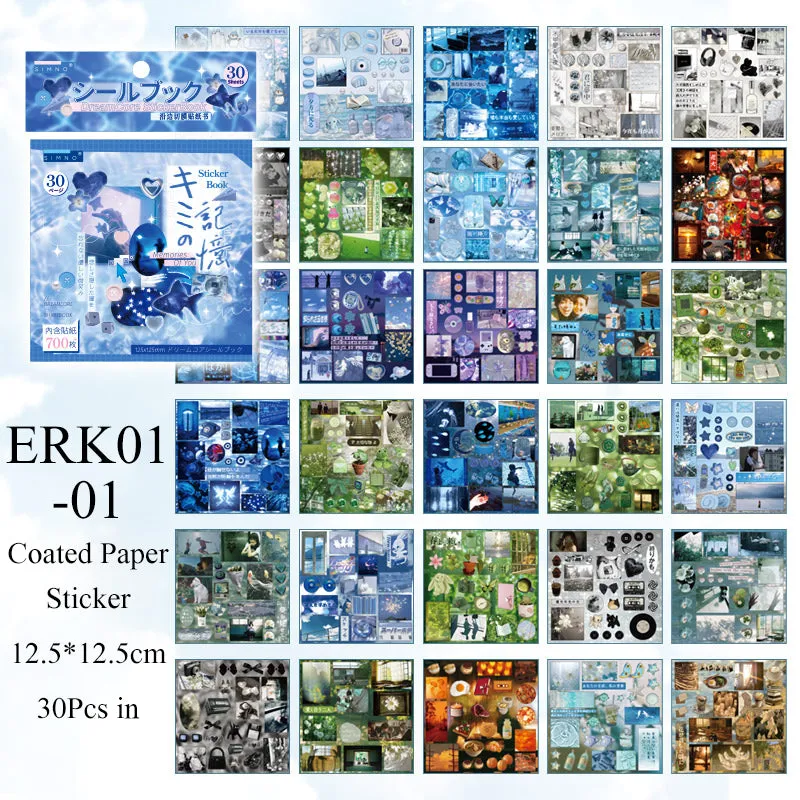
If you’re working on a long-term project like decorating a dreamcore sticker book or scrapbook, buy fresh tape and store older rolls properly. Throw out tape that has lost stickiness; trying to make it work wastes time.
Pressure and Technique Matter
The way you apply pet tape directly affects adhesion. Light, tentative application fails more often than firm, deliberate pressing.
Best practices for applying pet tape:
- Unroll the tape and position it, but do not press down immediately
- Once positioned, apply firm, even pressure across the entire tape length using your finger or the side of your hand
- Press down for 3-5 seconds longer than feels necessary; pet tape needs time to set
- Avoid lifting and re-sticking the same section; each lift weakens the bond
- Use a bone folder or credit card to burnish the edges if working on delicate paper
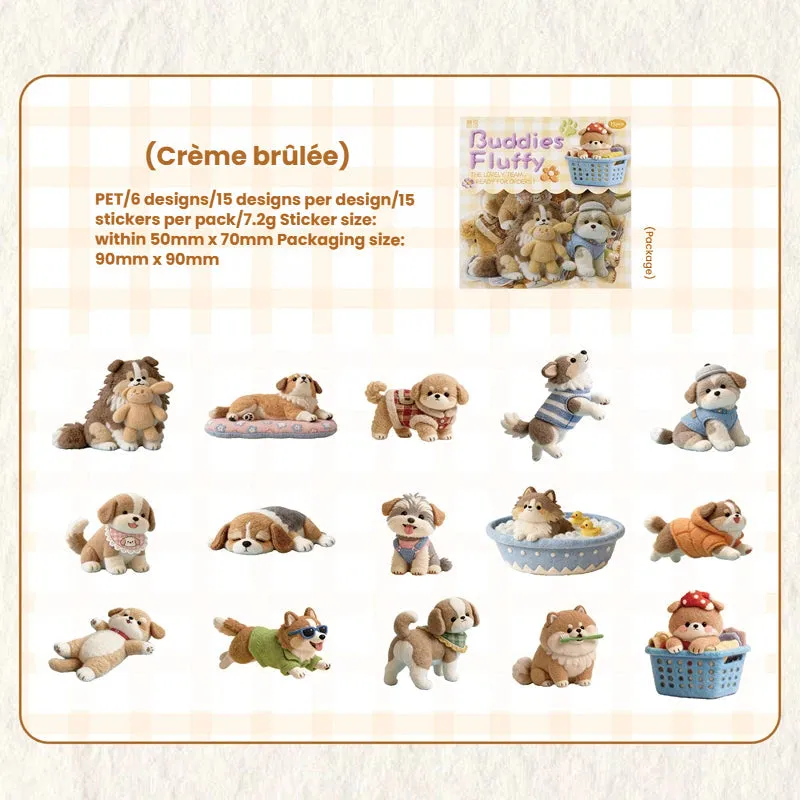
This technique is essential when using pet tape on the pages of a vintage notebook or securing pet tape stickers to decorative layouts. Taking your time prevents peeling.
Paper Type and Surface Texture
Not all paper accepts tape equally. Glossy or heavily coated paper, cardstock with plastic finishes, and handmade papers with uneven texture all resist pet tape differently.
| Paper Type | Pet Tape Adhesion | Best Alternative |
|---|---|---|
| Smooth cardstock | Excellent | N/A |
| Matte cardstock | Very good | N/A |
| Glossy / coated | Poor | Washi tape or double-sided options |
| Textured / handmade | Fair to poor | Washi tape or fabric tape |
| Kraft paper | Very good | N/A |
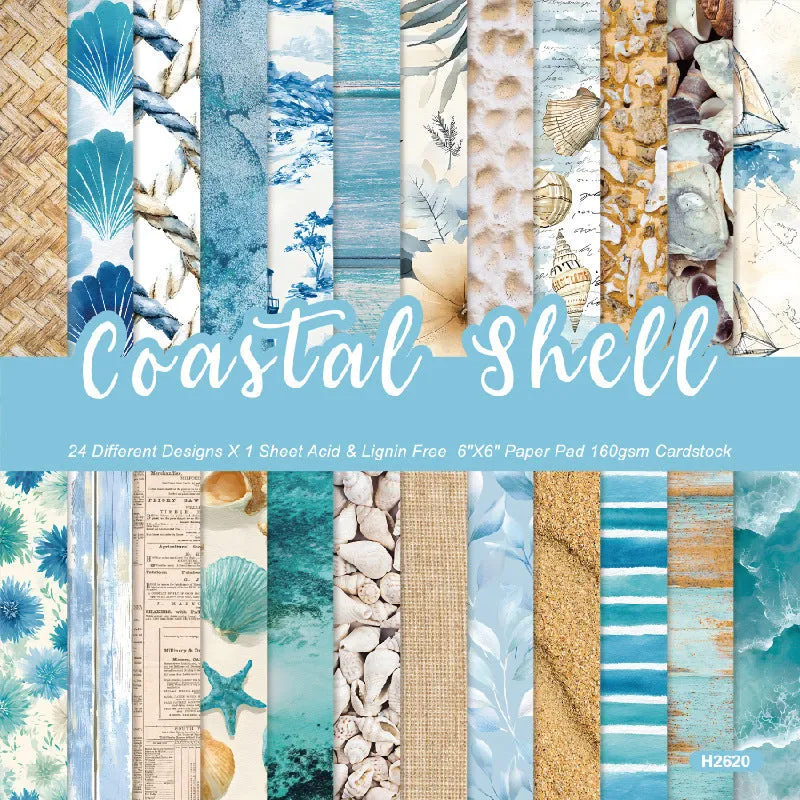
If you’re working with glossy or heavily coated surfaces on a paper shell craft or laminated journal cover, try double sided tape for scrapbooking or scrapbooking adhesive tape instead. These alternatives grip slick surfaces more reliably.
For textured papers, wet your finger slightly and run it along the back of the pet tape before applying; the moisture helps it conform to bumps and fibers. Test this on a scrap first to make sure it does not damage your specific paper.
Environmental Factors: Humidity and Temperature
Humidity directly affects how pet tape sticks. In dry climates, adhesive works optimally. In humid environments, moisture interferes with the bond and can cause tape to peel after a few days or weeks.
Steps to work around humidity:
- Apply pet tape on days with lower humidity when possible
- Use a dehumidifier in your craft room if you live in a wet climate
- Store finished projects in a dry place; do not leave them in bathrooms or damp basements
- If tape must go on humid paper, let the paper dry in a warm room for an hour before taping
Temperature also plays a role. Cold tape and cold paper do not bond as well. If you’ve stored your pet tape roll in a cool place, let it warm to room temperature before use. The adhesive becomes more pliable and sticks faster.
When to Replace Pet Tape with Alternatives
Sometimes pet tape is not the right tool for the job. Before spending more time troubleshooting, assess whether a different adhesive makes more sense.
Use scrapbooking adhesive tape when:
- You need permanent, museum-grade adhesion that will not yellow or fail over decades
- You’re working on heirloom projects or keepsake scrapbooks
- You want faster, mess-free application than liquid glue
Use rongrong stickers when:
- You want self-adhesive decorations that require zero tape
- You’re layering design elements on a retro journal or cover
- You prefer pre-cut shapes over tape you have to measure and tear
Combine pet tape with other adhesives strategically. Use pet tape for borders and decorative elements where repositioning matters, and liquid glue or scrapbooking adhesive tape for permanent fixtures like mounting photos or cardstock to a vintage notebook.
Grab the code to save 12% on all decorative tape, adhesives, and craft supplies when you’re ready to stock up.
Questions
Why does pet tape peel off right after I apply it?
The surface likely has dust, oils, or residue blocking adhesion. Wipe the area with a clean cloth before taping, and press down firmly for 3-5 seconds after application. Old or degraded tape also peels immediately, check the roll's age and storage conditions.
Can I use pet tape on glossy or coated paper?
Pet tape has poor adhesion on glossy finishes. For coated or laminated surfaces, use washi tape or double sided tape for scrapbooking instead, which grip slick materials more reliably.
How is pet tape different from washi tape for journals?
Pet tape uses a synthetic polyester backing and works best on smooth, flat surfaces like cardstock and kraft paper. Washi tape is made from natural fibers and adheres better to textured, handmade, or fabric-like papers. Pet tape for journals works well if your journal has smooth pages; switch to washi if you get poor adhesion.
Does humidity affect how well pet tape sticks?
Yes. High humidity reduces adhesion and can cause pet tape to peel after days or weeks. Work in dry conditions when possible, and store finished projects in a cool, dry place away from damp areas like bathrooms.
What should I do if my pet tape roll is old and will not stick?
Old pet tape loses stickiness, especially if stored in heat or humidity. Replace it with a fresh roll. Tape degrades over time and trying to make aged, degraded tape work wastes time on your projects.
Is there a better adhesive option for permanent scrapbooking projects?
Yes. Use scrapbooking adhesive tape or double sided tape for scrapbooking if you need museum-grade, permanent adhesion that will not yellow or fail over decades. Pet tape works better for decorative borders and repositionable elements.
Products in this guide
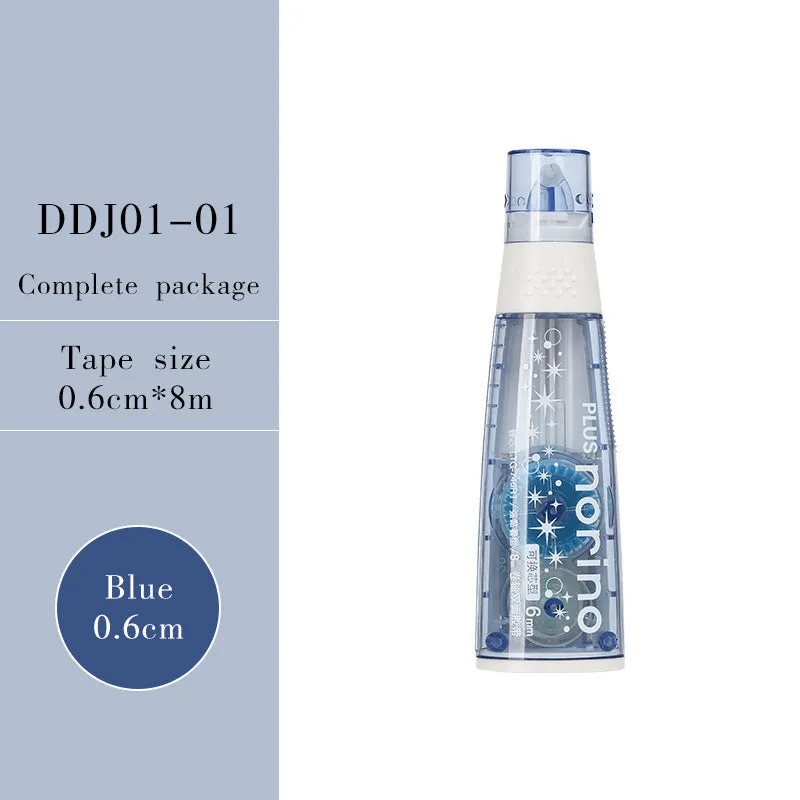 Shopping at Journaldream? See the discount code
12% OFF All Orders
Shopping at Journaldream? See the discount code
12% OFF All Orders