 A SEMILAC USA guide
Cuticle Stick Do’s and Don’ts for a Clean, Long-Lasting Gel Manicure
A cuticle stick is a small prep tool that helps gel polish bond to the nail, and here is how to use it.
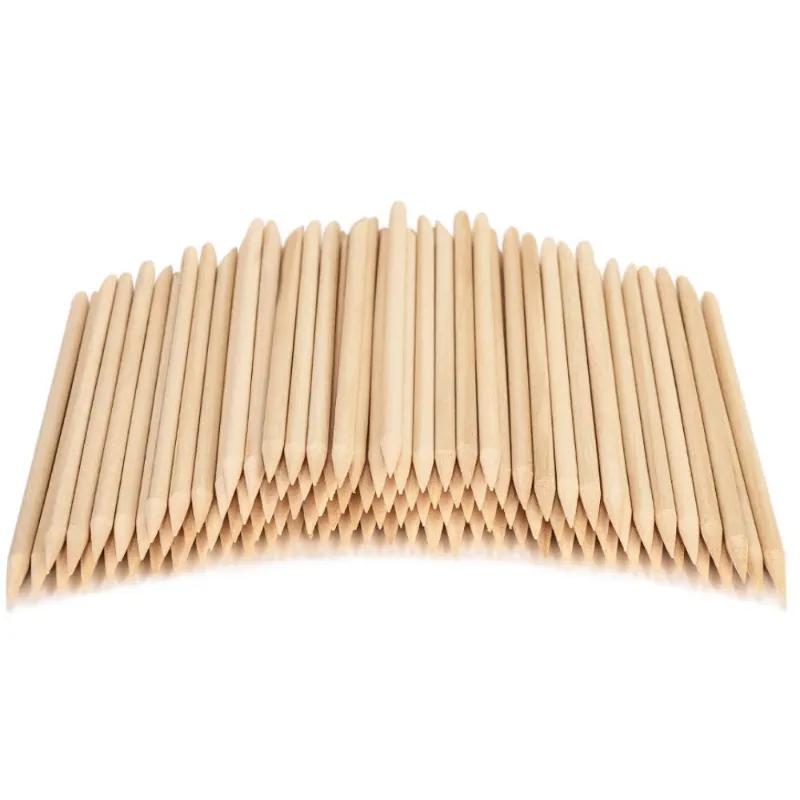
A cuticle stick is a small prep tool that matters for how well gel polish bonds. When you push back and clean the nail plate before applying bybrid gel nails or shellac nail polish uv light, you remove the thin layer of dead skin that prevents polish from bonding properly. Get this step right and the polish has clean nail to bond to. You can find the current code on our SEMILAC USA discount code page.
What a Cuticle Stick Actually Does
A cuticle stick does two jobs that affect how long your polish lasts:
- Pushing back the proximal fold: the living skin at the base of the nail. This exposes more of the nail plate so polish bonds to nail, not skin.
- Cleaning the nail surface: the flat or angled tip scrapes away the thin cuticle tissue that migrates onto the plate. Polish applied over this tissue will peel with it.
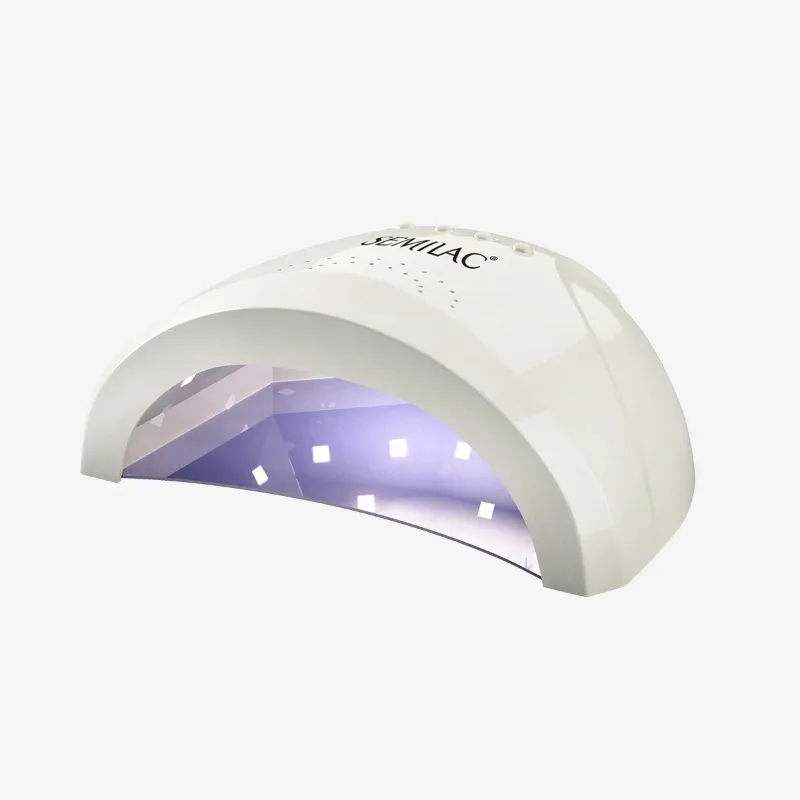
Skip this step and the base coat sits on skin at the edge, no matter how good your uv lamp for shellac nails or top coat is.
Choosing the Right Type: Wooden, Metal, or Glass
Not all cuticle pushers are the same material, and the difference matters for hygiene and technique.
| Type | Best For | Hygiene | Reusable |
|---|---|---|---|
| Wooden (birchwood) | Beginners, single use | Disposable after each use | No |
| Metal | Professionals, precision work | Autoclave-sterilisable | Yes |
| Glass | Sensitive skin, gentle technique | Soakable in alcohol | Yes |
Wooden sticks are the most common entry point. Brands like ForPro Birchwood Cuticle Sticks are sold in bulk packs, so you can discard each one after use.
Metal pushers are reusable; SEMILAC sells a surgical steel cuticle pusher and says to disinfect and sterilize it after every use. Use light pressure, since too much pressure tears the skin.
Glass sticks can be sanitised between uses.
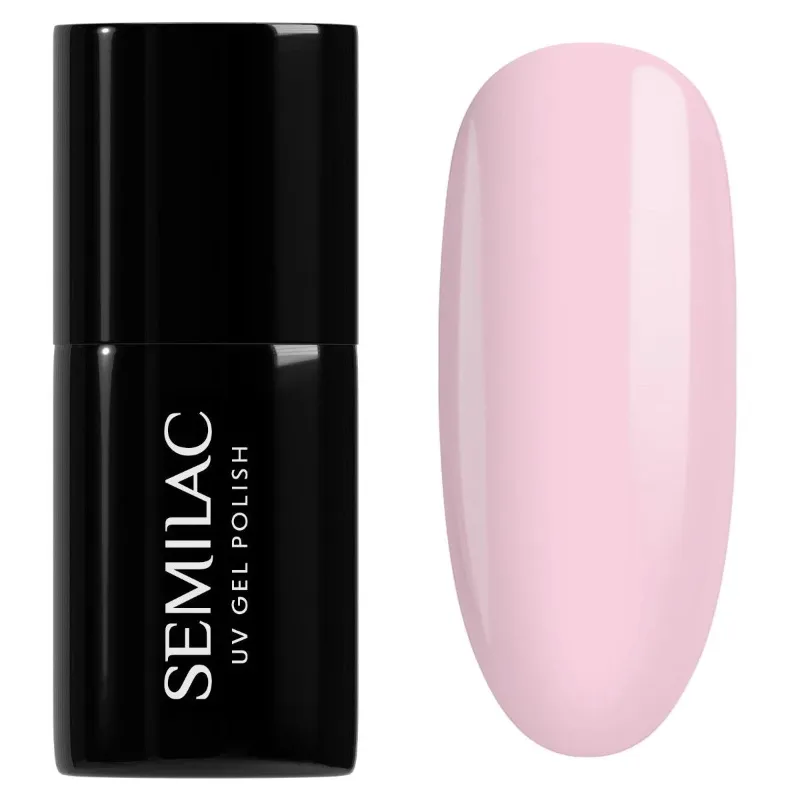
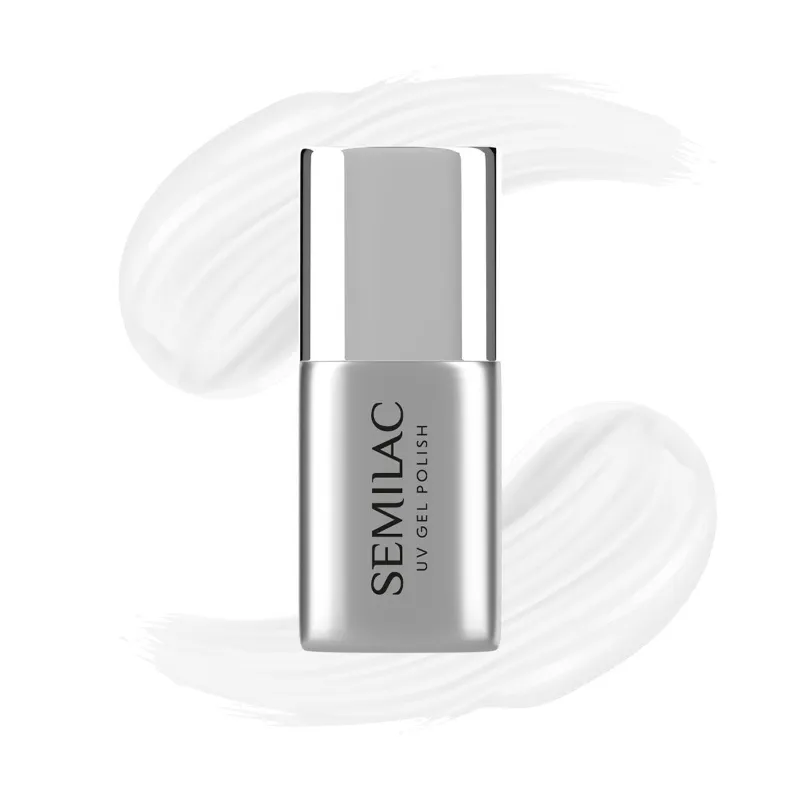
For at-home gel work with french shellac polish or milky pink nail color, pick wooden for single use or glass or metal for reuse.
The Right Way to Use a Cuticle Stick Before Gel Polish
Follow this order every single time for the best result.
- Soak or soften first. Soak fingertips briefly in warm water, or apply a small amount of cuticle oil and let it absorb. Dry skin tears; soft skin moves.
- Hold the stick at a low angle. Keep the stick low against the nail plate. A steep angle digs in and risks nicking the fold.
- Push in small circular motions. Work from one side of the nail to the other, never stab or scrape aggressively downward.
- Use the flat edge to clean the plate. After pushing back the fold, gently slide the tip across the nail surface to lift any residual cuticle tissue.
- Wipe away debris. Use a lint-free pad with cleanser or isopropyl alcohol to remove everything you just loosened.
- Do not push before you dehydrate. Once you have cleaned up, apply nail prep or dehydrator immediately so oils do not migrate back before you apply base coat.
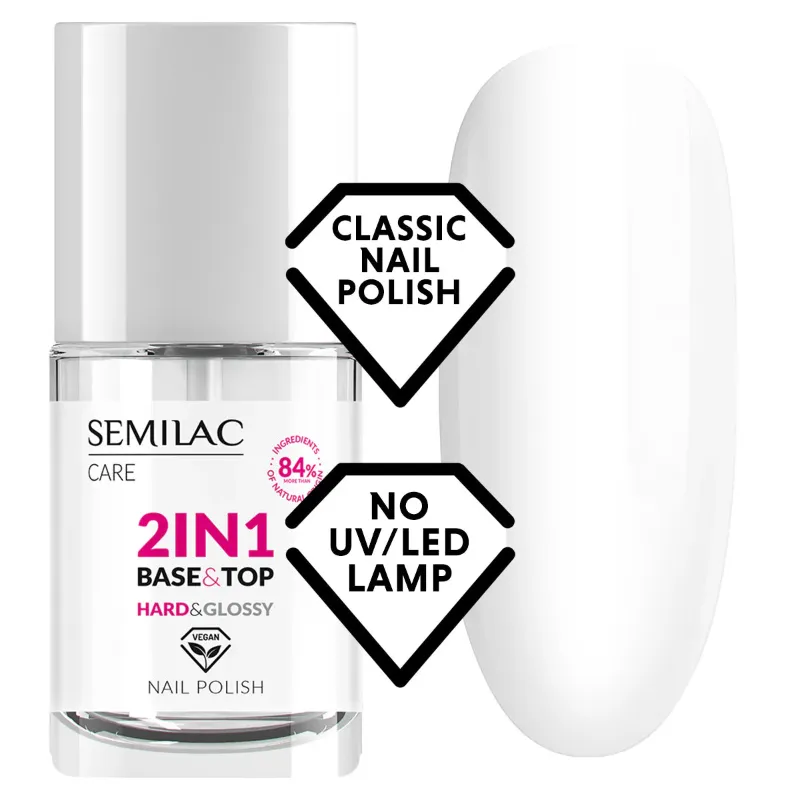
This prep routine works equally well before classic nail paint, breathable nail varnish, and any UV gel system.
The Don’ts That Cause the Most Damage
Rough cuticle work hurts the skin around the nail, so go gently.
- Don’t cut living skin with the stick. A cuticle stick is a pusher, not a cutter. If you see blood, you have gone too far.
- Don’t use a dry stick on dry skin. Without softening, you are forcing rigid skin, which tears the fold and creates hangnails.
- Don’t push immediately after a shower. Let your hands dry first, since gel polish needs a dry nail plate.
- Don’t rush the step. Take your time on prep.
- Don’t re-use a wooden stick. Birchwood is porous. Once used, bacteria and fungi can colonise it. Bin it and grab a fresh one next session.
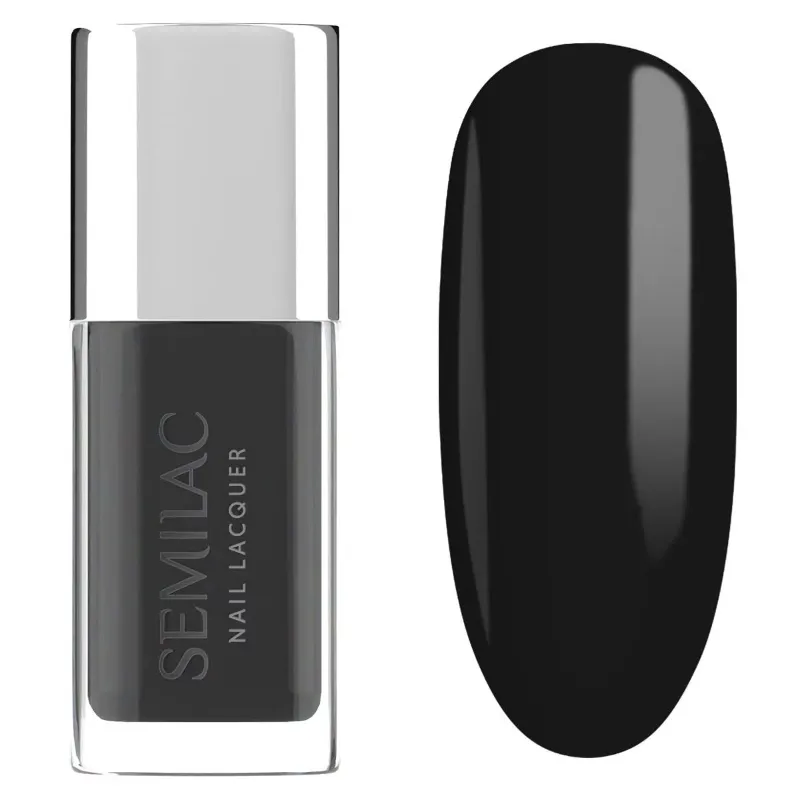
- Don’t skip this step for darker shades. Colours like black nail lacquer and forest green nail polish make ragged cuticle edges far more visible, so clean prep is even more important.
How This Step Affects Gel Longevity
The nail plate is coated in natural oils and traces of dead skin. Gel base coats are designed to bond to the keratin of the nail, not to oils or tissue. When you skip or rush cuticle prep:
- Base coat contacts skin instead of nail plate along the proximal edge
- The first stress point for lifting is created immediately
- The lamp still cures the layer, but the edge has nothing solid to bond to
Whether you are laying down bybrid gel nails under a uv lamp for shellac nails or simply refreshing with a coat of milky pink nail color, the prep sequence is non-negotiable.
Building a Simple At-Home Gel Prep Kit
You do not need a salon’s worth of tools. A focused kit covers everything:
- Cuticle stick: wooden for disposability or glass for reuse
- Cuticle oil: apply before pushing to soften tissue
- Lint-free wipes + isopropyl alcohol: clean the plate after pushing
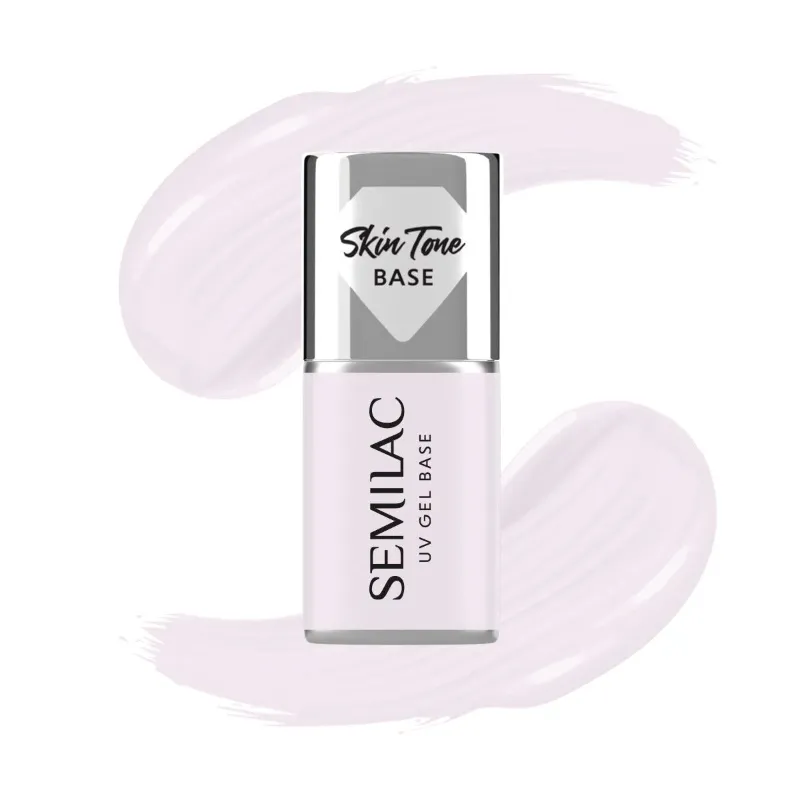
- Nail dehydrator or prep: removes residual moisture before base coat
- UV lamp for shellac nails: needed to cure any gel or shellac system properly
- Your chosen colour–french shellac polish, classic nail paint, or black nail lacquer all benefit equally from good prep
You can pick up the tools and matching polishes directly from Semilac USA.
Maintaining Cuticles Between Manicures
Good prep is not just a pre-polish ritual. Looking after cuticles between appointments keeps prep simple.
- Apply cuticle oil daily, especially in dry or cold weather
- Avoid cutting living cuticle tissue, push it back gently instead
- Wear gloves for prolonged exposure to water and cleaning products
- Moisturise hands after washing to prevent the cuticle fold from drying and cracking
- If you wear breathable nail varnish between full gel sets, follow the directions on its listing
A consistent between-session routine means you spend less time on aggressive prep before your next manicure and more time enjoying the finished look.
Questions
How do I use a cuticle stick without hurting myself?
Soften the skin first with warm water or cuticle oil, then hold the stick low against the nail plate and use small circular motions rather than hard downward pressure. If you feel any sharp pain or see broken skin, ease off immediately.
What is the difference between a wooden and a metal cuticle stick?
Wooden sticks are disposable, affordable, and ideal for home use where you want to avoid reusing a porous tool. Metal cuticle pushers are reusable, sterilisable, and give more precision, but they require a confident technique to avoid nicking the skin.
Do I need to use a cuticle stick before applying hybrid gel nails?
Yes. Pushing back and clearing the cuticle tissue lets the base coat bond directly to the nail plate instead of skin at the edge.
Can I use cuticle oil with a cuticle stick?
You can apply cuticle oil before pushing to soften the tissue and make the process gentler. Just make sure you remove all oil residue from the nail plate with a dehydrator or isopropyl alcohol before applying any polish or base coat, as oil prevents adhesion.
How often should I replace a wooden cuticle stick?
Wooden birchwood sticks should be discarded after a single use because the porous material can harbour bacteria. If you prefer reusable tools, switch to a glass or metal option that can be sanitised with alcohol between sessions.
Does the type of nail polish affect how I should prep my cuticles?
The prep process is the same regardless of whether you are using shellac, hybrid gel, breathable nail varnish, or classic nail paint. Darker shades like black nail lacquer or forest green nail polish simply make any skipped prep more visible, so clean edges matter even more.
Products in this guide
 Shopping at SEMILAC USA? See the discount code
10% OFF All Orders
More in this series
The Right UV/LED Nail Lamp for Every SEMILAC USA Polish Type5 Aug 20264 minBreathable Nail Varnish Explained: Is It Worth It for Everyday Wear?5 Aug 20264 minHow Long to Leave Semilac Hybrid Polish Under a UV LED Lamp5 Aug 20263 minSemilac Hybrid Gel vs Nail Lacquer: Which Lasts Longer?5 Aug 20263 min