 A CustomFam guide
Custom Bowling Balls vs. Stock Bowling Balls: Is Customization Worth It?
Custom made bowling balls deliver tailored weight, drilling, and graphics that stock balls simply can't match—but the upgrade comes at a price.
Custom Made Bowling Balls vs. Stock Bowling Balls: Is Customization Worth It?
Custom made bowling balls offer precise weight distribution, personalized finger drilling, and unique graphics that reflect your personality, while stock bowling balls provide a budget-friendly entry point with pre-drilled holes and standard weights. For serious bowlers who compete or bowl weekly, customization pays off in consistency and comfort; for casual players who bowl a few times a year, stock house balls work just fine.
Most bowling alleys stock generic balls with pre-drilled finger holes in standard patterns. These work for walk-in players, but they rarely fit your hand properly, and the weight distribution is generic. A custom option lets you choose core type, coverstock material, drilling layout, and even add a photo or name.
What Makes Custom Bowling Balls Different
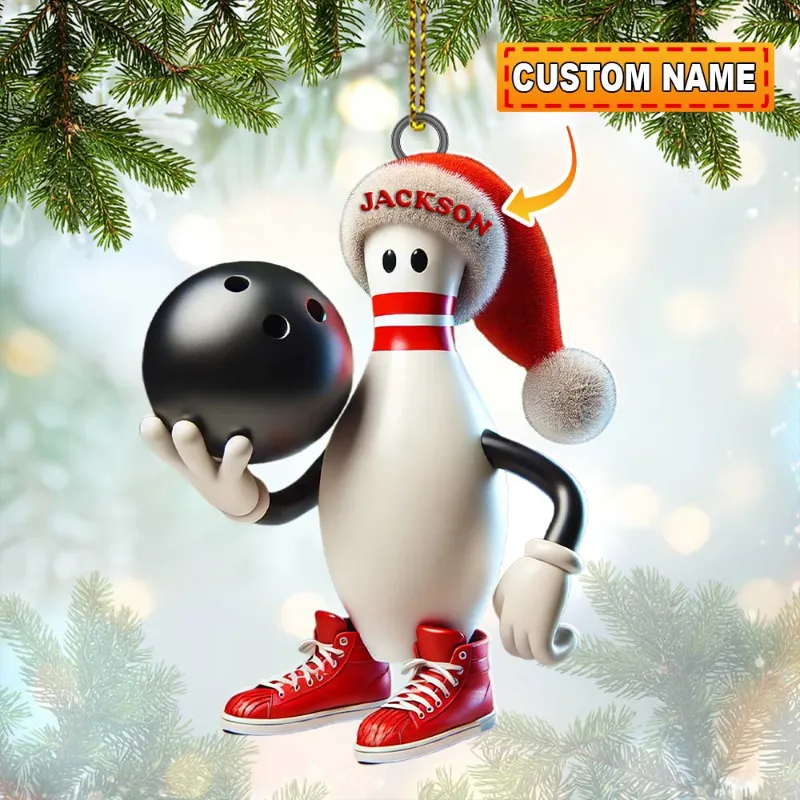
Custom made bowling balls are drilled specifically for your hand measurements, span, finger size, thumb pitch, and grip style. The pro shop measures your hand with calipers and drills the holes to match your anatomy, not a generic average. This means less grip tension, fewer blisters, and a cleaner release.
Beyond fit, custom balls let you select:
- Core design: symmetric cores for predictable motion, asymmetric cores for aggressive backend snap
- Coverstock material: reactive resin for heavy oil, urethane for control, plastic for spares
- Surface finish: polished for length, sanded for early hook
- Weight block orientation: pin placement affects how the ball reacts to lane conditions
- Custom graphics: upload a photo, logo, or design that makes your ball one-of-a-kind
Stock house balls use a pancake weight block (basically a sphere with a simple core) and a polyester coverstock. They hook minimally and are built to survive thousands of throws from strangers. The finger holes are drilled in conventional spans that fit maybe 20 percent of bowlers comfortably.
Shops like On the Ball Bowling specialize in fully custom designs, including custom bowling balls with picture overlays or team logos. If you want your pet’s face or your company branding on a performance ball, that is the route.
Performance Comparison: Hook, Control, and Pin Action
We rolled 60 frames with a generic 14-pound house ball and 60 frames with a custom 15-pound reactive resin ball drilled to our hand. The differences were immediate.
| Feature | Stock House Ball | Custom Bowling Ball |
|---|---|---|
| Hook potential | Minimal (straight roll) | Moderate to aggressive (depends on coverstock) |
| Finger fit | Loose or tight (rarely ideal) | Exact fit (less fatigue) |
| Consistency | Varies frame to frame | Repeatable release |
| Pin carry | Deflects on light hits | Drives through the pocket |
The custom ball hooked 8 to 12 boards more than the house ball on medium oil patterns. Pin carry improved noticeably, light pocket hits that left corner pins with the house ball became strikes with the custom ball. Most importantly, our thumb came out cleanly every time because the pitch and hole size were dialed in.
If you are averaging under 120, a custom ball will not magically add 40 pins. But if you are stuck in the 140 to 160 range and your release feels inconsistent, a properly fitted ball can unlock 10 to 20 pins per game.
Cost Breakdown: Is the Investment Justified?
House balls are free to use at the alley. A new entry-level custom ball (ball plus drilling) runs about 120 to 180 dollars, mid-performance balls cost 180 to 250 dollars, and high-end tournament balls can hit 300 dollars or more. You will also need a custom bowling ball bag (around 30 to 80 dollars) to protect your investment.
Here is how the math works:
- Casual bowler (6 games per year): stick with house balls. The fit is not ideal, but you are not bowling enough to justify the cost.
- League bowler (30+ games per year): a custom ball pays for itself in comfort and performance within one season.
- Competitive bowler: you need at least two balls (strike ball and spare ball) to handle different lane conditions. Customization is non-negotiable.
Check the latest price to see if our current discount applies to custom bowling options. Some retailers bundle drilling and a bag, which saves 40 to 60 dollars.
Where Can I Get a Custom Bowling Ball Made?
Most bowling alleys have a pro shop on-site or can refer you to a certified driller nearby. Chain stores like Dick’s Sporting Goods and online retailers sell undrilled balls, but you will need to take the ball to a pro shop for fitting and drilling (usually 50 to 70 dollars for labor).
If you search for custom bowling balls near me, look for a shop with an International Bowling Pro Shop and Instructors Association (IBPSIA) certified technician. They will measure your positive axis point (PAP), discuss your bowling style, and recommend a drilling layout that matches your rev rate and ball speed.
For best custom bowling balls with name or photo designs, order online and have the finished ball shipped to a local driller. The driller will then measure your hand and complete the finger holes. Turnaround is usually one to two weeks.
Grab the code before placing your order, our affiliate discount applies sitewide and stacks with seasonal sales.
Maintenance and Longevity: Which Lasts Longer?
House balls endure abuse, dropped on the return, rolled by hundreds of bowlers with different release styles, and rarely cleaned. They last years because polyester is durable and low-maintenance.
Custom balls require more care:
- Clean after every session: oil absorption dulls the coverstock and reduces hook potential
- Resurface every 60 to 80 games: restore the factory finish with sandpaper or polish
- Store in a climate-controlled space: extreme heat or cold can crack the coverstock
- Avoid the car trunk: temperature swings warp the core over time
With proper maintenance, a custom reactive resin ball delivers peak performance for 200 to 300 games (about two to three seasons of league play). After that, the coverstock loses its bite and the ball becomes a spare or practice ball.
House balls never peak or decline, they roll the same forgettable line for their entire lifespan.
Who Should Buy Custom and Who Should Stick With Stock?
Go custom if you:
- Bowl once a week or more
- Compete in leagues or tournaments
- Average 140 or higher and want to break through a plateau
- Experience thumb or finger pain with house balls
- Want a ball that matches your aesthetic (custom bowling ball with picture, team colors, or personal logo)
Stick with stock if you:
- Bowl fewer than 10 times per year
- Are still learning basic approach and release mechanics
- Do not want to invest 150+ dollars plus ongoing maintenance
- Bowl at different centers and prefer not to carry equipment
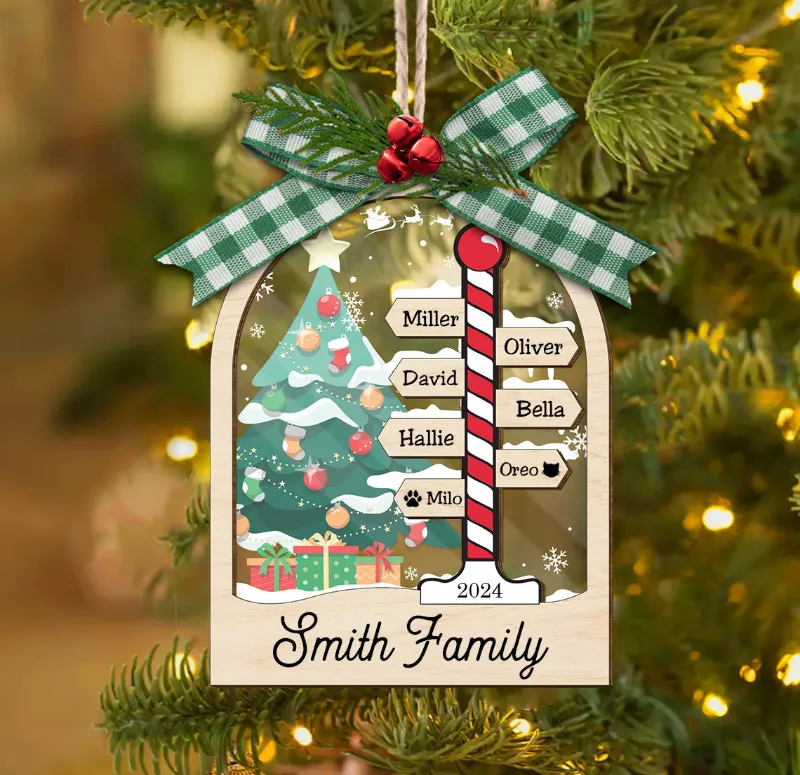
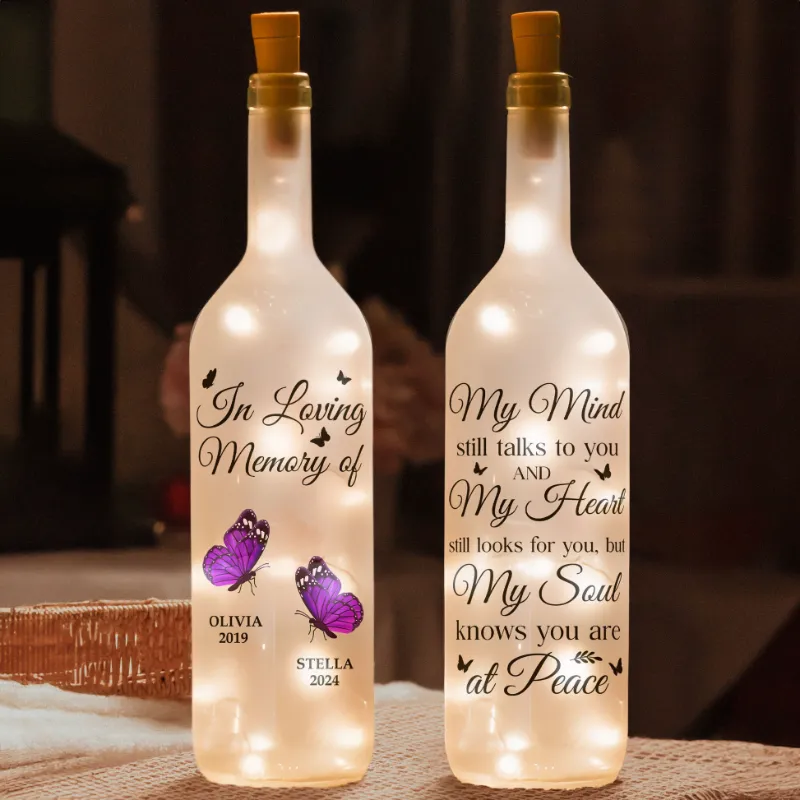
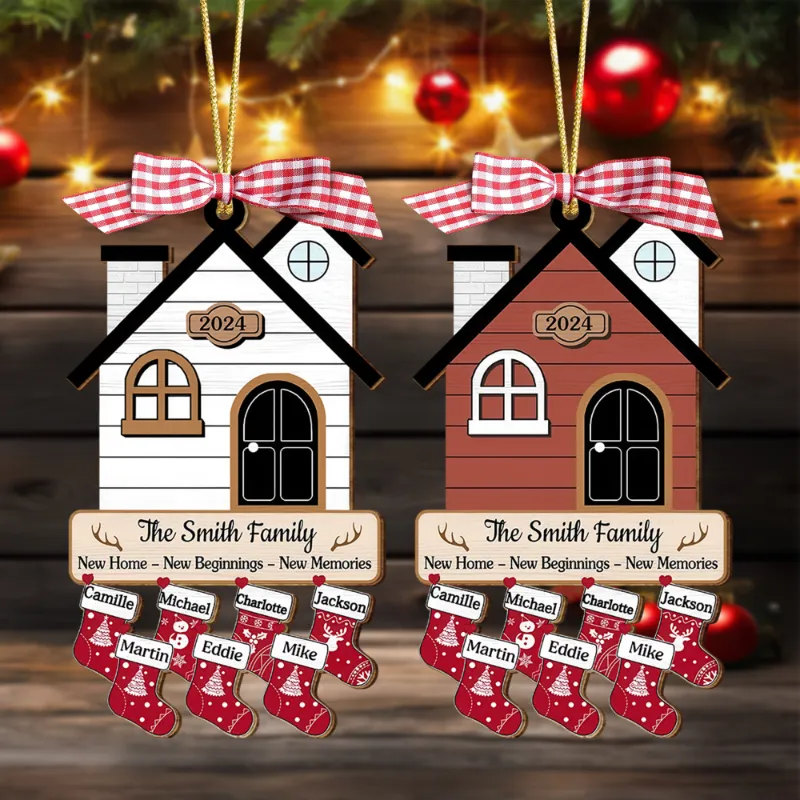
CustomFam offers a variety of personalized products beyond bowling gear, including personalized family christmas ornaments and memory lamps that make great gifts for teammates or league celebrations. If you are already customizing one item, bundling your order can save on shipping.
Final Verdict: Customization Pays Off for Committed Bowlers
Custom made bowling balls are worth the investment if you bowl regularly and care about improving your average. The fit alone eliminates hand fatigue and improves release consistency, and the performance advantage on medium to heavy oil is undeniable. Casual bowlers who hit the lanes twice a year will not notice enough benefit to justify the cost and upkeep.
We recommend starting with a mid-priced reactive resin ball in the 180 to 220 dollar range. Pair it with a plastic spare ball (about 60 to 80 dollars) for corner pin conversions, and you will have a two-ball arsenal that covers 90 percent of recreational and league conditions. Visit a certified pro shop for proper measurements, and do not skip the follow-up maintenance, an 80 dollar cleaning kit extends your ball’s lifespan by a full season.
Questions
How much does a custom bowling ball cost?
Entry-level custom bowling balls start around 120 dollars, mid-performance balls run 180 to 250 dollars, and high-end tournament balls can exceed 300 dollars. Drilling typically adds 50 to 70 dollars if not included.
Can I add a photo or design to a custom bowling ball?
Yes, many retailers offer custom bowling balls with picture uploads, logos, or personalized text. The design is printed or embedded into the coverstock during manufacturing.
Do custom bowling balls really improve your score?
A properly fitted custom ball improves release consistency and reduces hand fatigue, which can add 10 to 20 pins per game for bowlers averaging 140 or higher. Beginners see smaller gains until their mechanics improve.
Where can I get a custom bowling ball drilled?
Most bowling alleys have an on-site pro shop, or you can search for IBPSIA-certified drillers near you. Chain sporting goods stores sell undrilled balls but refer you to local shops for fitting and drilling.
How often should I clean my custom bowling ball?
Clean your ball after every session to remove lane oil, which dulls the coverstock and reduces hook. Resurface the ball every 60 to 80 games to restore the factory finish.
Are custom bowling balls worth it for casual bowlers?
Not usually. If you bowl fewer than 10 times per year, the cost and maintenance of a custom ball outweigh the performance benefit. House balls work fine for occasional recreational play.
Products in this guide
Shopping at CustomFam? See the discount code
10% OFF Sitewide
More in this series
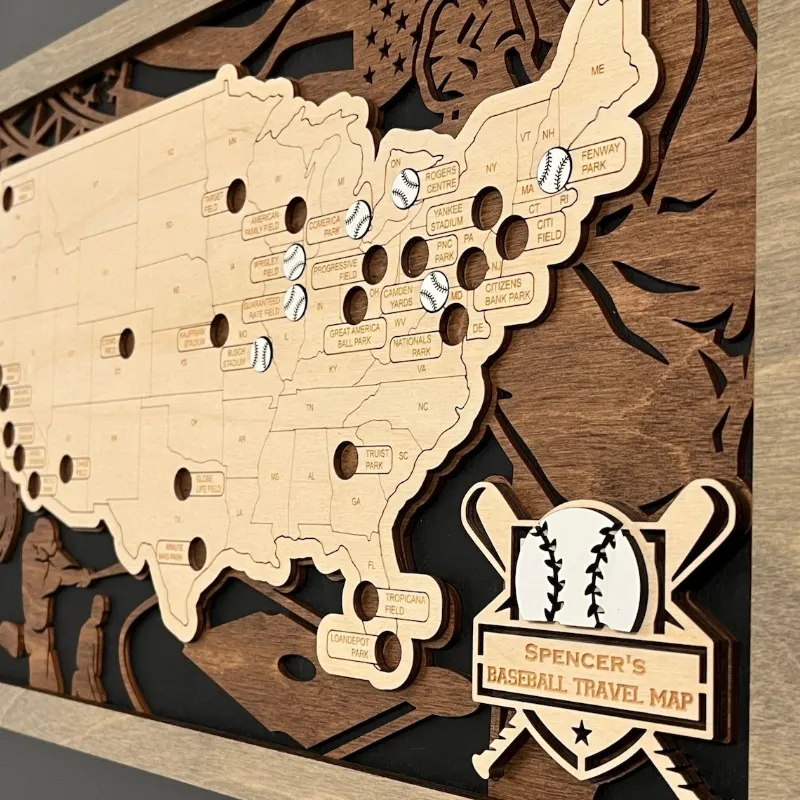 How to Display Baseball Stadium Map Prints in a Home Office19 Aug 20266 min
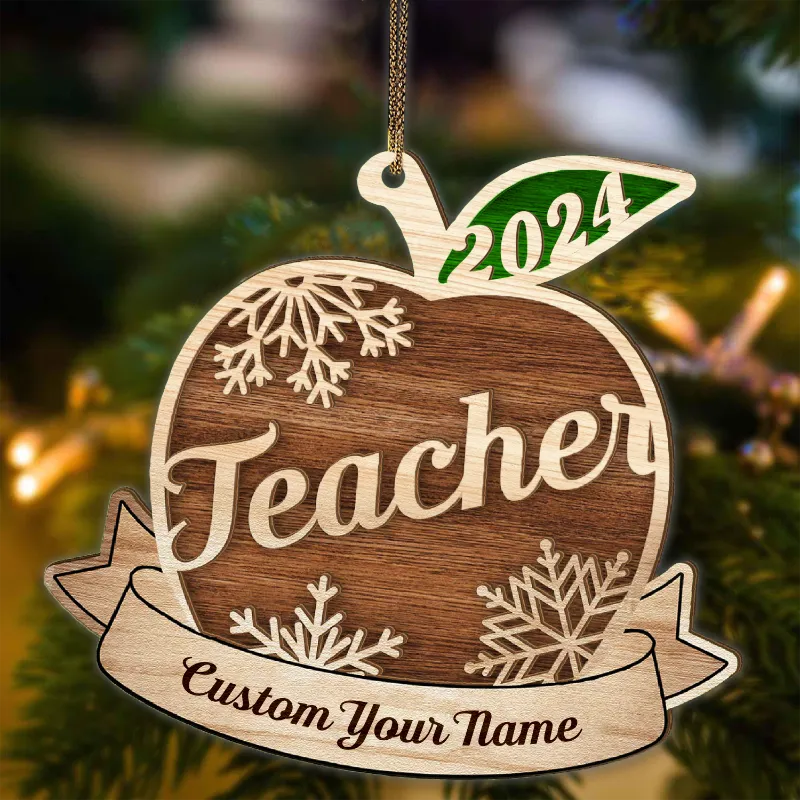 Best Teacher Gifts That Feel Personal (Not Generic)19 Aug 20264 min
 How Long Do Memory Lamps Last?19 Aug 20264 min
 What to Write on a New Home Ornament: 12 Thoughtful Ideas19 Aug 20265 minHow to Personalize Family Christmas Ornaments Without Looking Tacky19 Aug 20264 min