 A Minaturals Nutrition guide
Creatine Monohydrate vs Creatine HCL: Which Form Should You Buy?
Creatine monohydrate capsules remain the gold standard for muscle growth, backed by more research and better cost-per-dose than creatine HCL.
Creatine monohydrate vs creatine HCL is a choice between two forms of the same compound. Monohydrate is creatine bound to a water molecule. It is the older and more common form, sold as powder and capsules by most sports nutrition brands. HCL (creatine hydrochloride) is creatine bound to hydrochloric acid, marketed on the idea that it dissolves more easily and needs a smaller serving. We cannot tell you that one builds more muscle than the other, because we have no source that settles it for you. How much to take belongs to the label and your doctor. What we can do is explain the differences you can check yourself.
Creatine monohydrate vs creatine HCL: the basics
Creatine is a compound your body makes on its own, and you also get some from food such as meat and fish. A creatine supplement adds more on top of that. Both monohydrate and HCL deliver creatine. The difference is what the creatine is bound to, how the product is made, and how brands market it.
| Creatine monohydrate | Creatine HCL | |
|---|---|---|
| What it is | Creatine plus a water molecule | Creatine bound to hydrochloric acid |
| How common | Sold by most brands, many formats | Fewer brands and products |
| Marketing claim | Long use, simple ingredient | Dissolves more easily, smaller serving |
| What to compare | Price per serving, micronized or not | Price per serving, label directions |
Which form is better for muscle growth?
This is the question most people search for, and the honest answer is that we do not rank them. Claims about strength gains, lean mass or faster results need a real study behind them, and none was linked in the material we started from. We have removed them rather than repeat them.
What does make a difference to most people is more practical: whether they take the product as the label directs, whether it sits well with their stomach, and whether they can afford it over time. Training and eating well matter more than the form on the tub. If you want advice on whether creatine is worth taking at all for your goal, a doctor or a registered sports dietitian is the right person to ask.
How to read a creatine label
- The form. The label should say creatine monohydrate or creatine hydrochloride. “Creatine blend” tells you less.
- Amount per serving and serving size. With capsules, one serving is often several capsules. Read both lines, and follow the label directions.
- Micronized. Micronized monohydrate is ground into finer particles, which mainly affects how a powder mixes.
- Other ingredients. Check for added caffeine, sweeteners or blends. A single-ingredient product is easier to judge.
- Quality signals. A lot number, an expiry date and any third-party testing seal, which matters if you compete in a sport with drug testing.
- Warnings. Read who should not take the product.
Creatine monohydrate capsules vs powder
Once you have picked a form, you pick a format. Capsules are pre-measured, easy to carry and have no taste or texture. The trade-off is that one serving can mean several capsules. Powder is flexible and usually cheaper per serving, but you need to mix it, and some people dislike the texture.
Plenty of brands sell capsules. Optimum Nutrition sells Optimum Nutrition Micronized Creatine Monohydrate Capsules, and BodyTech sells Creatine Monohydrate Capsules too. Compare the amount per capsule, the capsules per serving and the price per serving across brands before you buy.
Who should ask a doctor or pharmacist first
Creatine is widely sold, but that does not make it right for everyone. Please talk to a doctor or pharmacist before taking either form if you:
- Have kidney disease or any kidney problem, or have been told to watch your kidney function.
- Have diabetes or another ongoing health condition.
- Take any prescription medicine or several other supplements.
- Are pregnant or breastfeeding.
- Are under eighteen.
Bring the label. If you notice stomach upset, swelling or anything unusual after starting, stop and contact your doctor. Do not take more than the label says unless a doctor tells you to.
How to choose between them
- Ask your doctor whether creatine suits you at all.
- Decide on capsules or powder based on how you like to take supplements.
- Compare labels for form, amount per serving and extra ingredients.
- Work out the price per serving, not the price per tub.
- Follow the label directions, and stop if it does not agree with you.
If you have tried monohydrate and it upsets your stomach, that is worth mentioning to your doctor before you switch forms.
Minaturals Nutrition products
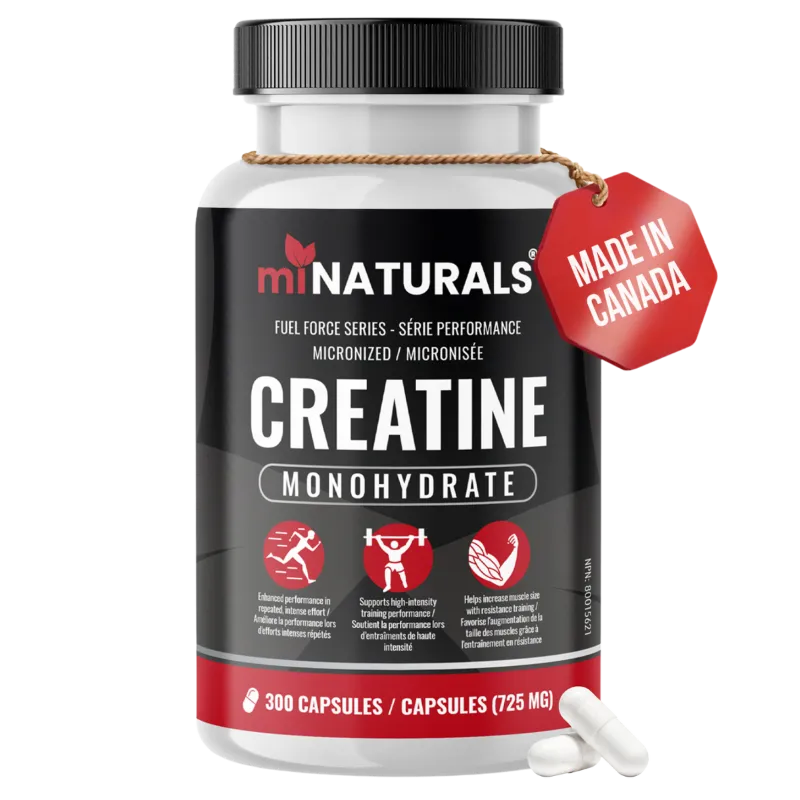
Minaturals Nutrition sells Minaturals Nutrition creatine monohydrate capsules. Check the product page for the amount per capsule, the capsules per serving and the full ingredient list.
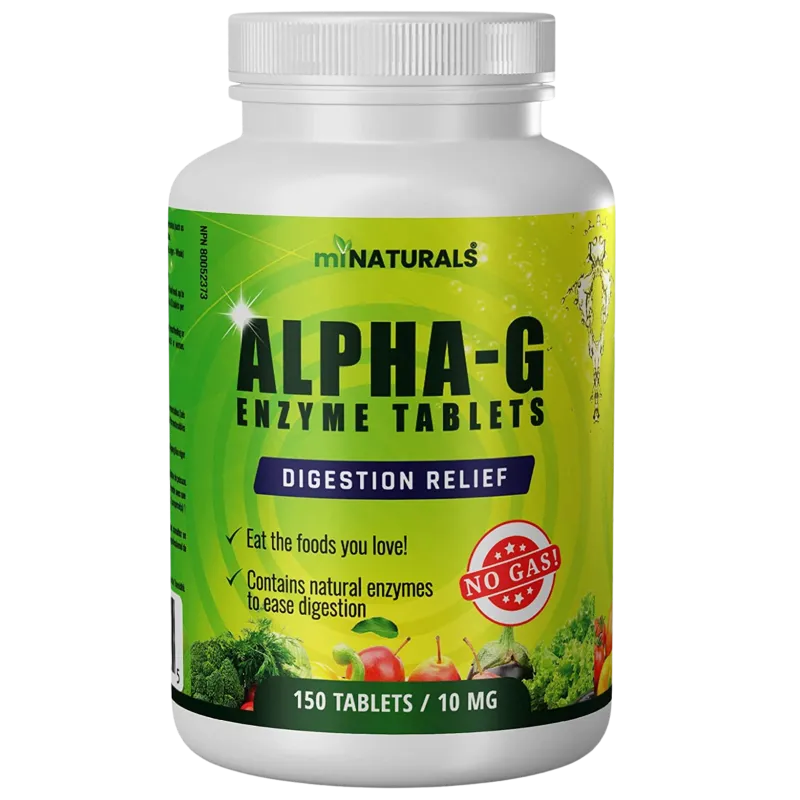
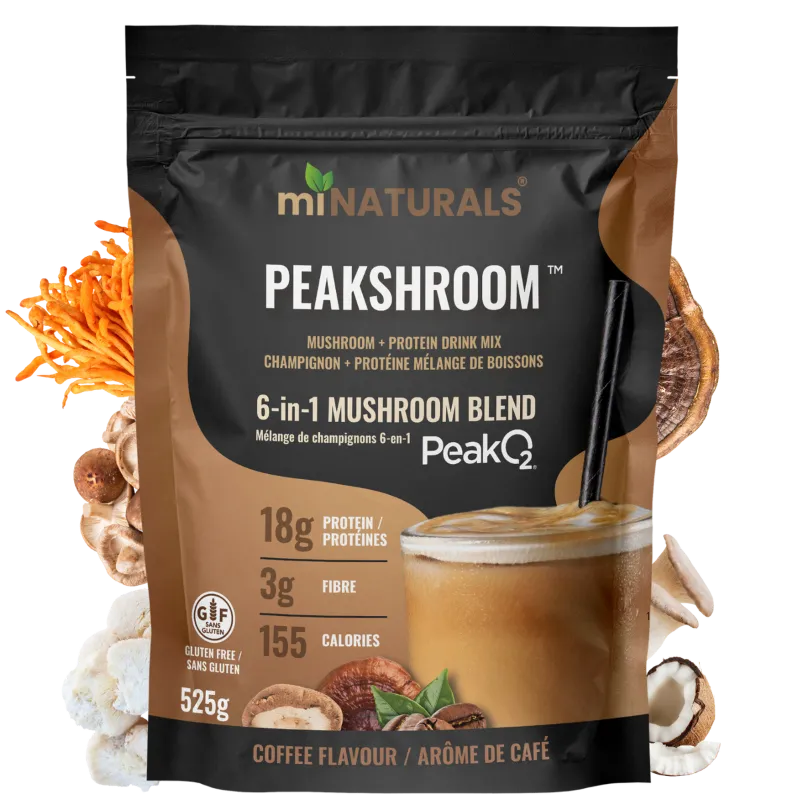
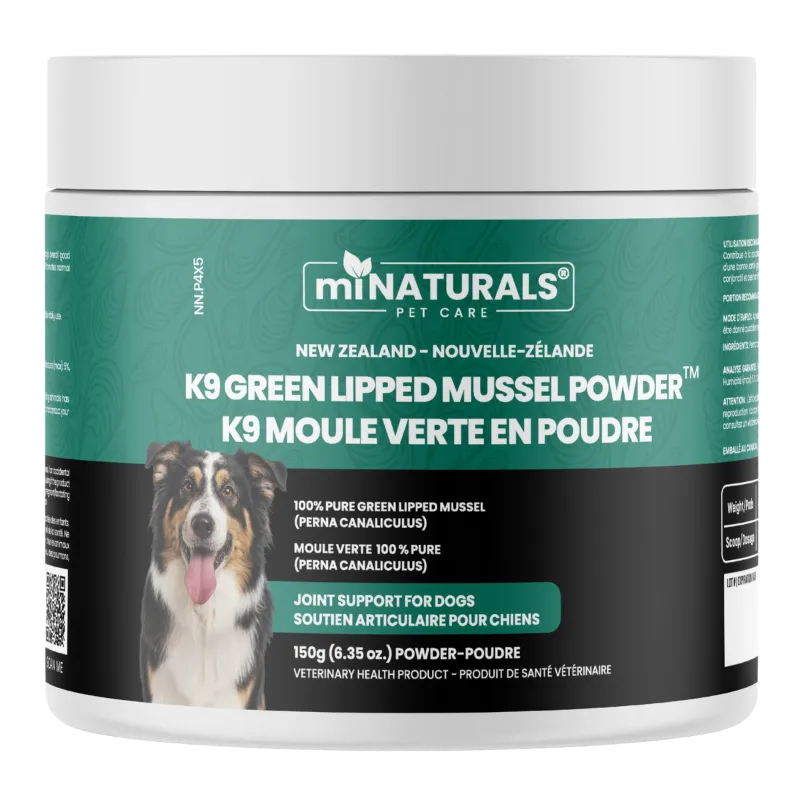
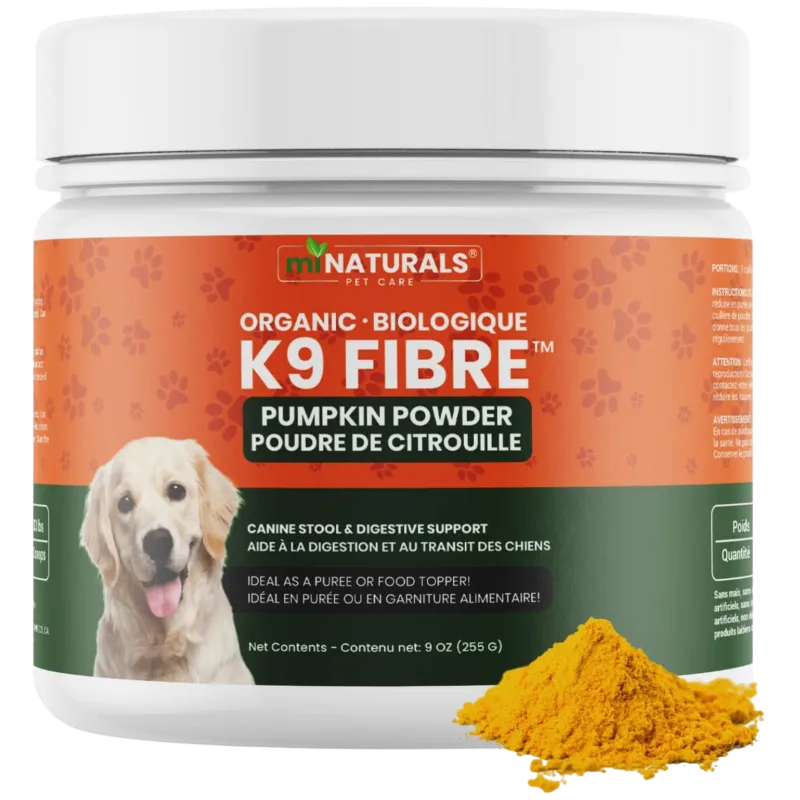
The brand’s list also includes a mushroom protein coffee drink mix, an Alpha G digestive supplement, and two products for dogs: green lipped mussel for dogs and pumpkin powder for dogs. Ask your vet before giving any supplement to a pet. If you order, you can see the current Minaturals Nutrition discount code first.
Questions
What is the difference between creatine monohydrate and creatine HCL?
Monohydrate is creatine bound to a water molecule, and HCL is creatine bound to hydrochloric acid. Both deliver creatine. Monohydrate is the more common form, and HCL is marketed on dissolving more easily and a smaller serving.
Is creatine HCL better than monohydrate for muscle growth?
We have no source that shows one form builds more muscle than the other, so we do not rank them. Compare labels, price per serving and how each suits you, and ask your doctor if you are unsure.
How many creatine monohydrate capsules make one serving?
It depends on the product. Check the serving size line on the label, which tells you how many capsules make one serving, and follow the directions.
Do I need a loading phase or to cycle off creatine?
Dosing plans are a question for your label and your doctor, and we do not give one. Do not take more than the label says unless a doctor tells you to.
Are creatine monohydrate capsules better than powder for travel?
Capsules are pre-measured and need no shaker, so many people find them easier to carry. Powder is usually cheaper per serving. The creatine inside is the same form.
Products in this guide
 Shopping at Minaturals Nutrition? See the discount code
10% OFF All Orders
Shopping at Minaturals Nutrition? See the discount code
10% OFF All Orders