 A FEETS guide
Compression Socks for Tired Feet: Why Orthofeet Compression Socks Stand Out
Orthofeet compression socks deliver targeted support and relief for tired, swollen feet with medical-grade compression and cushioned comfort.
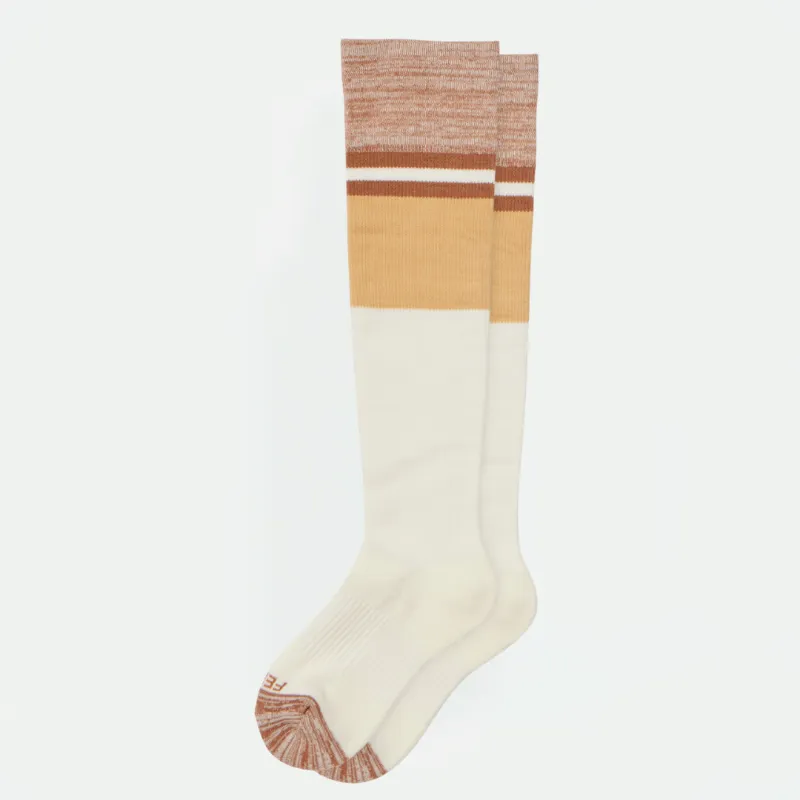
Orthofeet compression socks offer targeted relief for tired feet by combining medical-grade compression with ergonomic design to reduce swelling and improve circulation. If you spend long hours on your feet or wake up with aching legs, compression socks work by applying graduated pressure that helps blood flow back to your heart, reducing fatigue and discomfort. The orthofeet compression socks are specifically engineered for everyday wear, making them a practical choice for people seeking both function and comfort.
What Makes Orthofeet Compression Socks Different
Orthofeet compression socks stand out because they blend medical compression technology with the comfort features that tired feet actually need. Unlike generic athletic socks, these are designed with arch support, moisture-wicking fabric, and seamless toes to prevent blisters and irritation during extended wear. The graduated compression (tightest at the ankle and gradually decreasing up the leg) creates the conditions for better circulation without cutting off your blood flow or feeling restrictive.
Many compression socks sacrifice comfort for function, but orthofeet compression socks prioritize both. The cushioned sole absorbs impact, the breathable material keeps feet dry, and the reinforced heel reduces wear in high-friction areas. Whether you’re managing compression socks for swelling and circulation or simply preventing fatigue at the end of a long day, the construction matters.
Who Benefits from Orthofeet Compression Socks
Orthofeet compression socks suit a wide range of people, from healthcare workers on their feet all shift to frequent travelers managing swelling in confined spaces. Ladies socks for swollen feet and legs are particularly popular, as women often experience more noticeable swelling during pregnancy, menopause, or after standing for extended periods. Athletes use them for recovery; desk workers wear them to prevent blood pooling; and older adults rely on them to maintain healthy circulation.
If you have varicose veins, lymphedema, or a family history of circulation issues, compression socks are an easy preventative step. Even if you don’t have a medical condition, tired feet at the end of the workday are reason enough to try them. The socks work best when worn consistently, so choosing a pair you actually like wearing (one that fits well and feels good) makes a real difference in whether you’ll stick with them.
Sizing and Fit
Getting the right size is critical for compression socks to work as intended. Too loose and you lose the compression benefit; too tight and they become uncomfortable or restrict circulation. Orthofeet provides clear sizing guides based on shoe size and calf circumference, so measure both before ordering. Most people find that starting with a moderate compression level (15 to 20 mmHg) is comfortable for all-day wear, while higher levels are typically recommended by healthcare providers for specific conditions.
When your orthofeet compression socks arrive, put them on in the morning before swelling develops for the easiest fit. Many users find that wearing them while sitting makes donning easier. If you’re between sizes, go up rather than down, comfort matters, and a slightly loose sock still provides benefit.
Care and Durability
Orthofeet compression socks last longer when washed properly. Hand wash in lukewarm water with mild detergent, then air dry flat or hang them up. Avoid the dryer, which can degrade the elastic fibers and shorten the lifespan. Most pairs hold their compression for 6 to 12 months with regular care, though this depends on how often you wear them. If you’re relying on compression socks daily, owning 2 to 3 pairs lets you rotate them and extend the life of each pair.
Don’t bleach or use fabric softener, as these break down the compression fibers. Some people freeze their socks overnight to refresh them, and others keep a spare pair at work or in a travel bag. Proper care keeps your investment working as intended.
When to Wear Them
Wear orthofeet compression socks whenever you anticipate fatigue or swelling: during long flights, on workdays when you’re standing most of the time, after intense exercise, or whenever your feet and legs feel heavy by evening. Many people wear them to bed after a particularly tiring day to help flush fluid buildup overnight. Others put them on first thing in the morning and wear them throughout the day, especially if their job requires long hours on their feet.
There’s no harm in wearing compression socks too often, in fact, the more consistently you wear them, the more benefit you’ll feel. Start with a few hours a day if you’re new to compression, then extend wear time as your feet adjust.
Compression Socks vs. Other Foot Relief Options
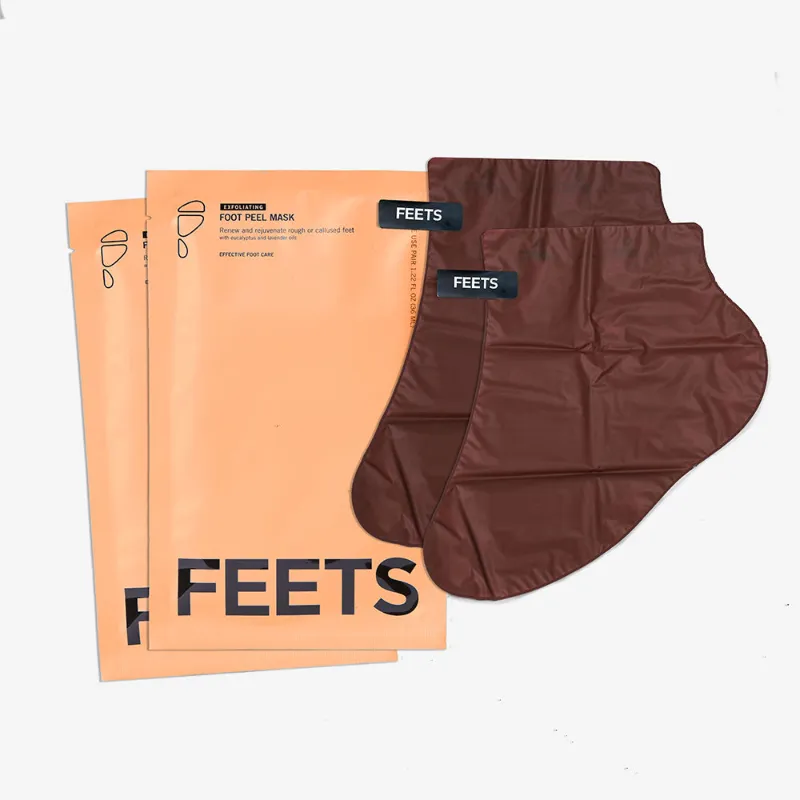
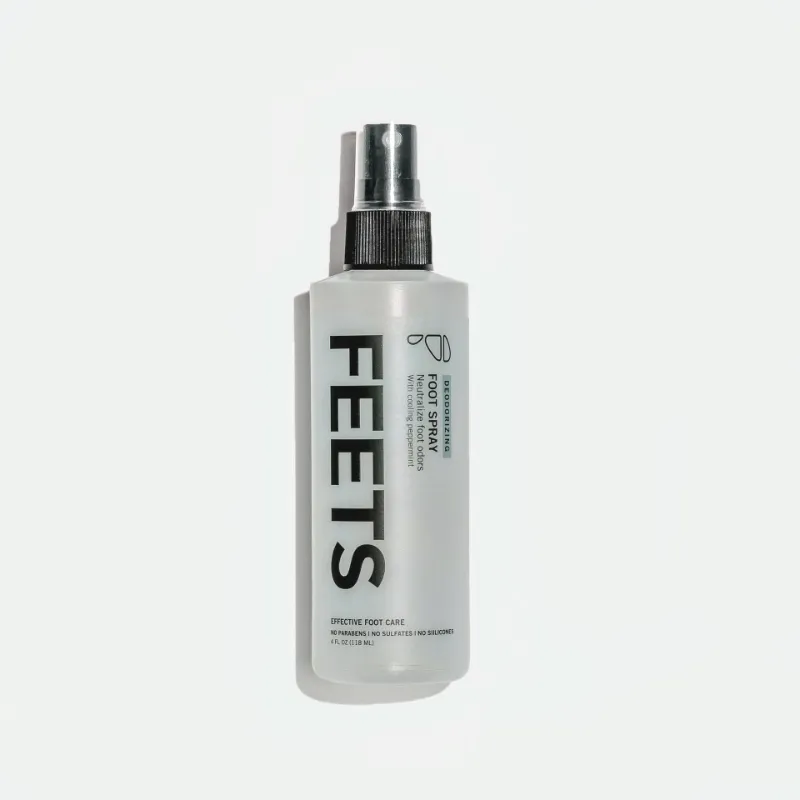
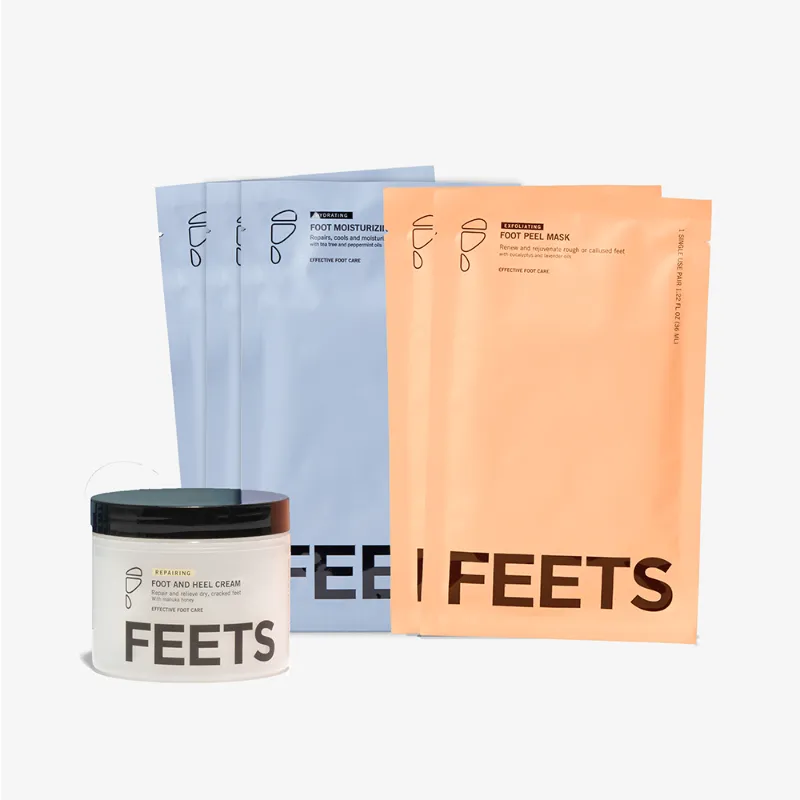
Compression socks address fatigue and swelling from the inside out, working on circulation. Other products target surface-level comfort or skin concerns. If you also deal with dry, cracked heels or rough foot skin, you might pair compression socks with a foot peel mask or cooling foot spray for comprehensive foot care. A foot kit that bundles multiple products can give you a complete routine: compression for circulation, peel treatment for skin health, and spray for quick refreshment.
| Approach | Best For | Time Frame |
|---|---|---|
| Orthofeet compression socks | Circulation, swelling, fatigue | Ongoing, daily wear |
| Foot treatment peel | Calluses, dead skin | 1 to 2 week cycle |
| Feet spray | Quick cooling relief | Immediate, reapply as needed |
| Foot exfoliant peel | Deep cleaning, renewal | Monthly maintenance |
Consider what your feet need most. Swollen, tired feet need compression. Rough skin needs exfoliation. The best foot care often combines both approaches, socks for daily support and a peel treatment for deeper skin maintenance. Check our discount code page to grab 20% OFF and build your complete foot care setup.
Why Invest in Quality Compression Socks
Medical-grade compression socks like orthofeet compression socks are an investment, but they work. Cheap imitations often lose their compression after a few washes or feel uncomfortable enough that you stop wearing them. Real compression socks apply consistent pressure, which means consistent results: less swelling by evening, fewer aching legs, better recovery after exercise.
When you choose orthofeet compression socks, you’re choosing proven design backed by feedback from people who wear them daily. They’re engineered for real feet, not just marketed with hype. Check the latest price and grab our 20% discount to see why tired feet deserve better support.
Questions
How long does it take to feel a difference from orthofeet compression socks?
Most people notice reduced swelling and less leg fatigue within a few days of consistent wear, though the full benefits on circulation can take 1 to 2 weeks. Wearing them daily makes a bigger difference than occasional use.
Can I wear orthofeet compression socks all day and all night?
Yes, orthofeet compression socks are designed for extended wear and are comfortable enough for all-day and all-night use. Many people wear them during the day for work and keep them on in the evening for recovery.
Are orthofeet compression socks medical-grade?
Orthofeet compression socks provide medical-grade compression (measured in mmHg) and are designed to support circulation and reduce swelling, though specific medical claims depend on the compression level. They're suitable for everyday use and can be part of a plan recommended by a healthcare provider.
What's the difference between orthofeet compression socks and regular athletic socks?
Orthofeet compression socks use graduated compression technology to improve blood flow, while athletic socks focus on cushioning and moisture-wicking. Compression socks specifically target swelling and fatigue, making them better for circulation support.
Can I pair compression socks with other foot care products like foot peel masks?
Absolutely. Compression socks handle circulation and swelling, while products like a [foot peel mask](/go/p/8777) or [cooling foot spray](/go/p/8787) target skin health and quick relief. Using them together gives your feet complete care.
How do orthofeet compression socks compare to other brands?
For detailed comparisons of compression socks across brands, [check this expert review](https://www.health.com/compression-socks-11699947) from Health. Orthofeet stands out for comfort and durability during all-day wear.
Products in this guide
 Shopping at FEETS? See the discount code
20% OFF All Orders
Shopping at FEETS? See the discount code
20% OFF All Orders
More in this series
Foot Spray vs. Foot Peel: Which FEETS Product Should You Choose12 Sep 20263 minDo Foot Peel Masks Really Work? What Happens to Your Feet After Treatment12 Sep 20263 minWhat Is the Best Foot Peeler for Dead Skin? Peel Masks, Scrubs and Files Compared12 Sep 20263 minHow to Use a Foot Peel Mask: Step-by-Step Results and What to Expect12 Sep 20265 min