 A Harlembling guide
The Complete Guide to Choosing Between 10K, 14K, and Sterling Silver Chains
Choosing between a sterling silver four-leaf clover bracelet and gold chain options depends on your budget, skin sensitivity, and how often you plan to wear it.
Whether you’re shopping for a sterling silver four-leaf clover bracelet or a gold statement piece, the metal you choose affects durability, price, and daily wearability. 10K gold offers maximum strength at an accessible price point, 14K gold balances purity with resilience, and sterling silver delivers bright shine and affordability.
What Each Metal Grade Actually Means
Understanding purity helps you compare value and performance across metals.
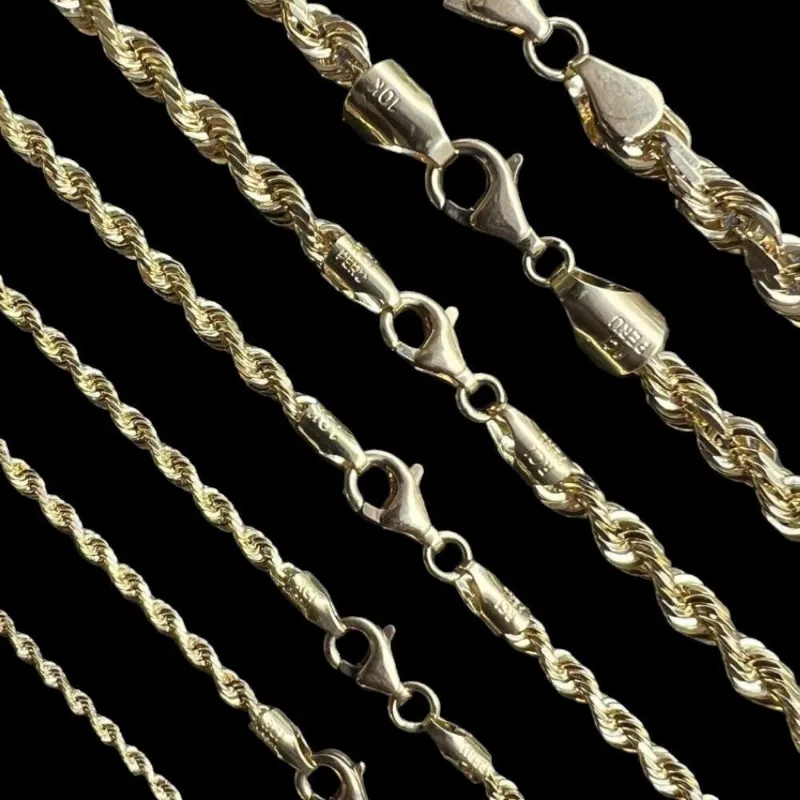
10K gold contains 41.7% pure gold alloyed with metals like copper, silver, or zinc. This lower gold content makes it harder and more scratch-resistant than higher-karat options. If you work with your hands or want a chain that can take daily wear, a 10k gold chain is built to last.
14K gold sits at 58.3% pure gold. It strikes the middle ground between durability and that rich gold color most people associate with fine jewelry. You’ll see 14K used in everything from delicate chains to heavier pieces like the 3x ip gold miami cuban bracelet because it holds detail well without bending easily.
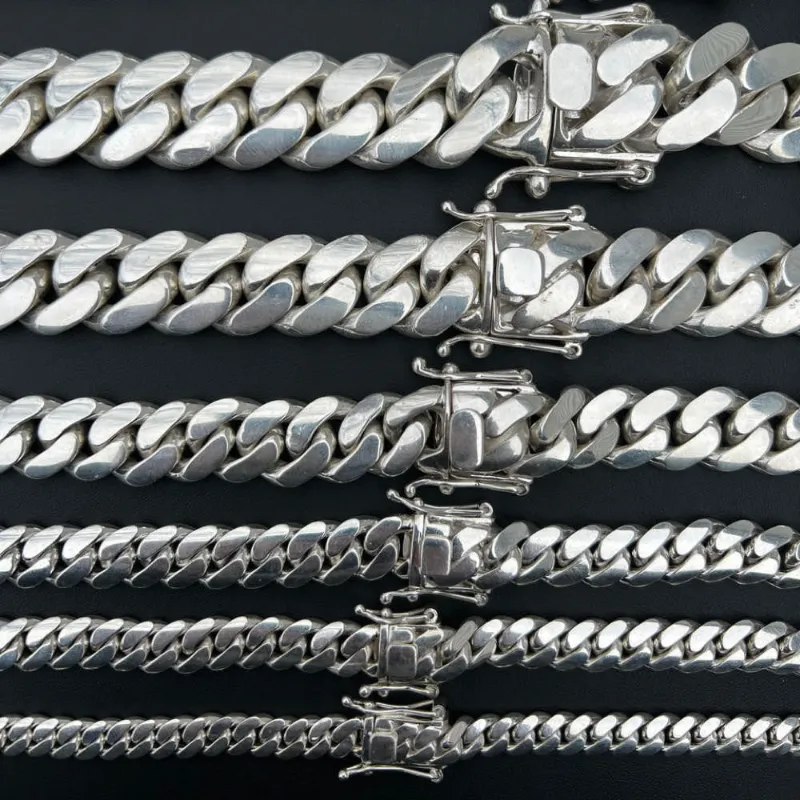
Sterling silver is 92.5% pure silver mixed with 7.5% copper or other metals for strength. It’s softer than gold alloys but significantly more affordable. A silver cuban link chain or sterling silver four-leaf clover bracelet will tarnish over time, but regular polishing keeps it looking new.
How to Choose Based on Your Budget and Wear Frequency
Your decision should match how you’ll actually use the jewelry.
- Daily wear in active environments: 10K gold resists dents, scratches, and bending better than 14K or silver. It’s the practical choice for chains you never take off.
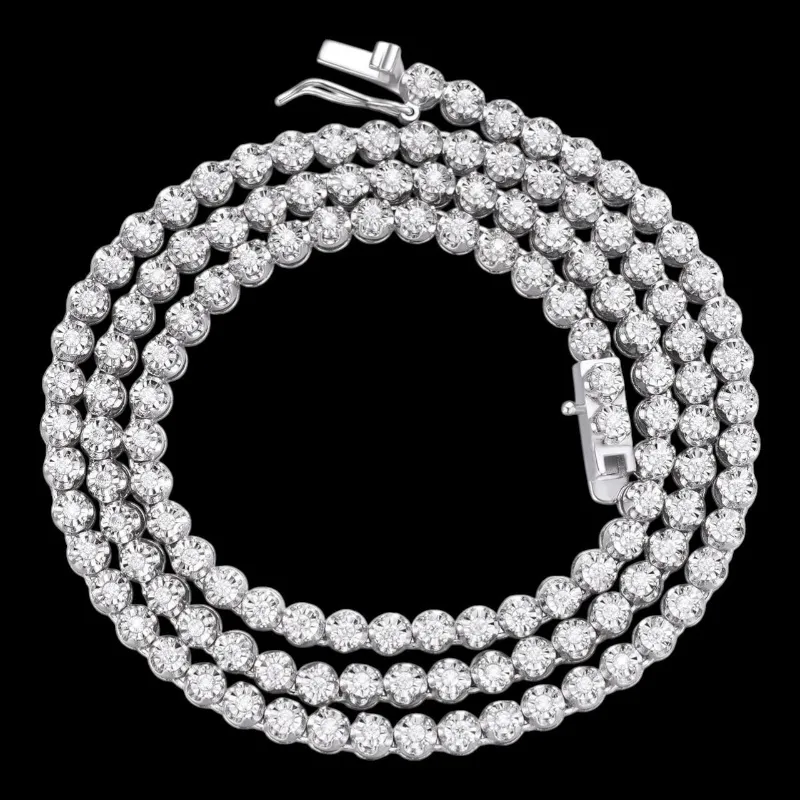
- Special occasion pieces: 14K gold’s richer color and slightly softer feel make it ideal for statement jewelry like a diamond chain or formal pendants.
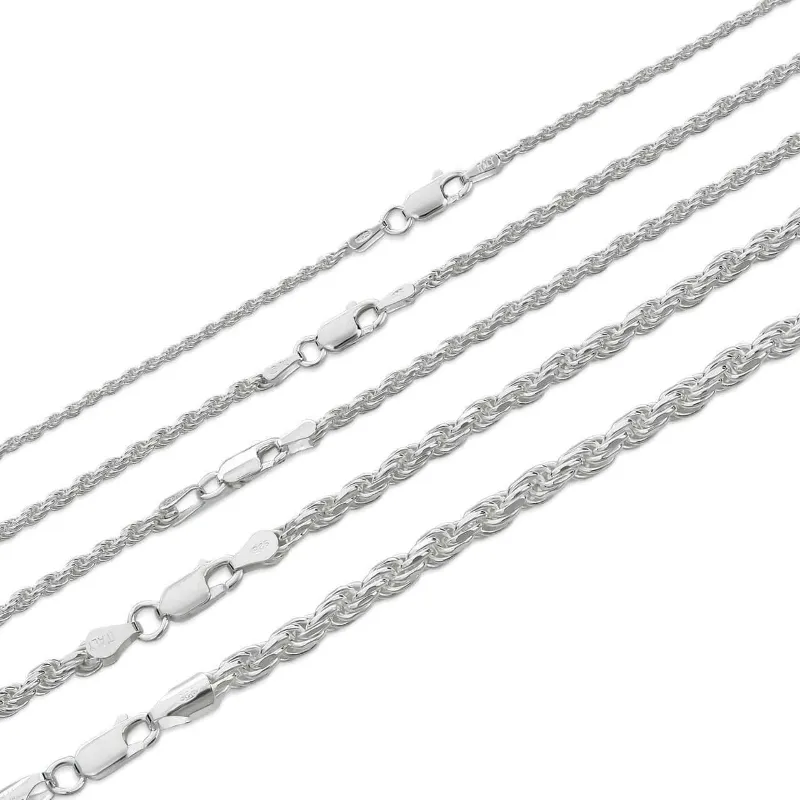
- Rotating accessories: Sterling silver works beautifully when you switch pieces frequently. A silver rope chain or bracelet can be polished between wears, so tarnish never builds up.
- Budget-conscious buyers: Silver costs a fraction of gold, letting you afford chunkier styles or multiple pieces. Check the latest price to see current savings on silver chains.
We recommend 10K for chains you’ll wear daily, 14K when you want that classic gold look for regular but not constant wear, and silver when you want variety or a bold style at a lower investment.
Comparing Durability, Color, and Maintenance
Each metal has trade-offs beyond price.
| Metal | Scratch Resistance | Color Depth | Tarnish Risk | Maintenance |
|---|---|---|---|---|
| 10K Gold | High | Pale gold | None | Minimal (soap & water) |
| 14K Gold | Moderate | Rich gold | None | Minimal (soap & water) |
| Sterling Silver | Low | Bright white | Moderate | Regular polishing required |
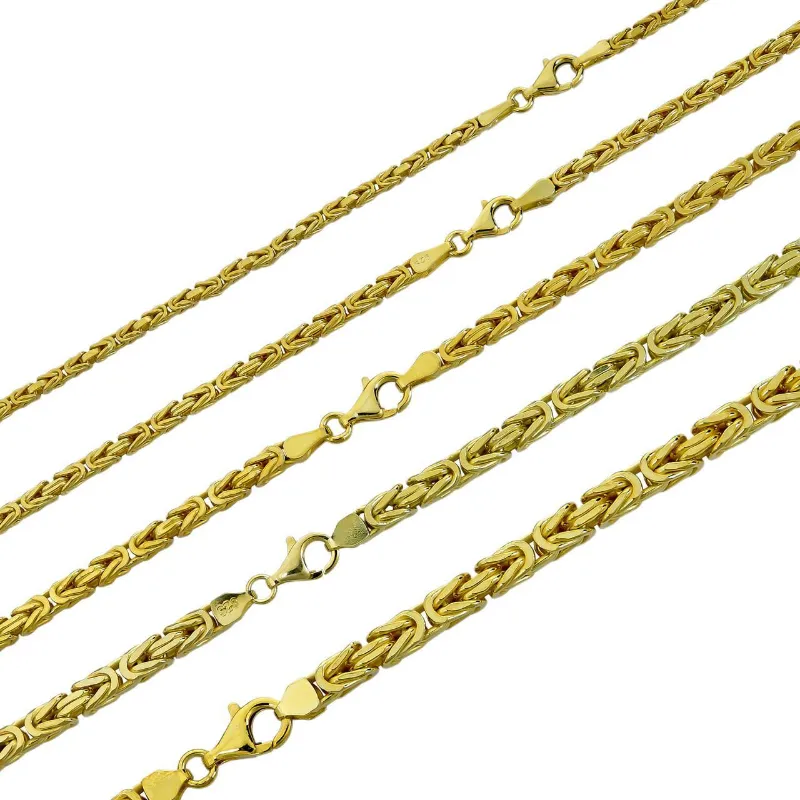
Gold alloys won’t tarnish or discolor, so a byzantine chain in 10K or 14K looks the same years later with just occasional cleaning. Sterling silver develops a patina and eventually darkens unless you store it properly and polish it every few weeks.
If you prefer low-maintenance jewelry, gold is the clear winner. If you enjoy the ritual of caring for your pieces and love the bright white shine of fresh silver, the extra upkeep is worth it.
Skin Sensitivity and Hypoallergenic Options
Metal allergies usually stem from nickel, a common alloy metal in lower-quality jewelry.
14K gold is generally hypoallergenic because the high gold content leaves little room for nickel. Most people with sensitive skin can wear it without irritation. 10K gold contains more alloy metals, so nickel may be present depending on the manufacturer. If you have a known nickel allergy, confirm the alloy composition before buying.
Sterling silver is typically nickel-free, making it a safe choice for sensitive skin. However, the copper in the alloy can oxidize and cause a greenish tint on your skin (harmless but annoying). Quality sterling pieces like those from Harlembling use proper alloys that minimize this issue.
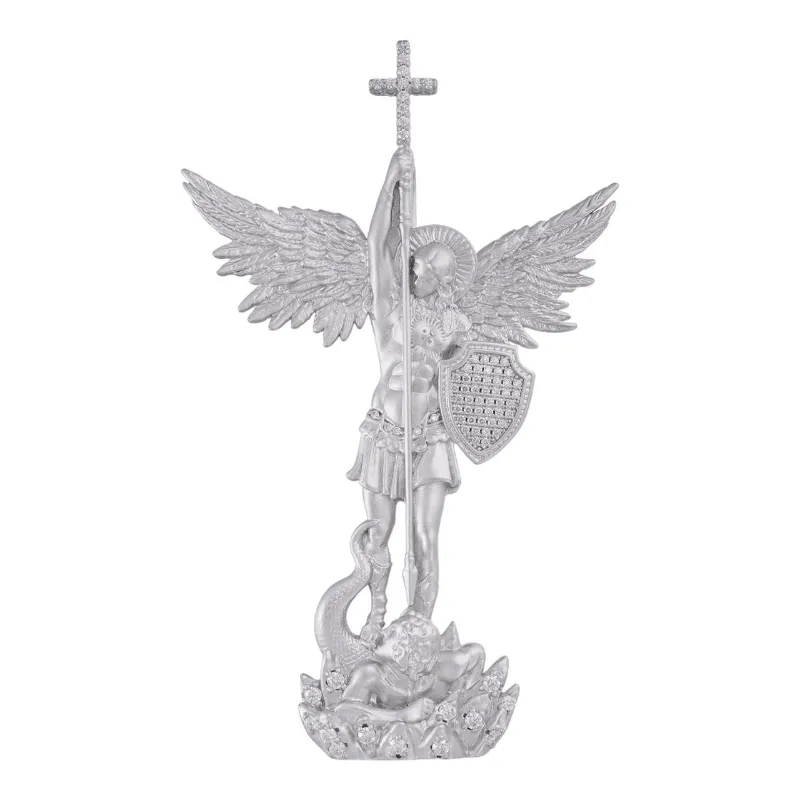
For pendants that sit against bare skin, like a saint michael pendant, metal sensitivity matters more than for chains worn over clothing. When in doubt, start with 14K gold or nickel-free sterling silver.
Matching Metal to Chain Style and Thickness
Some styles look better and perform differently depending on the metal.
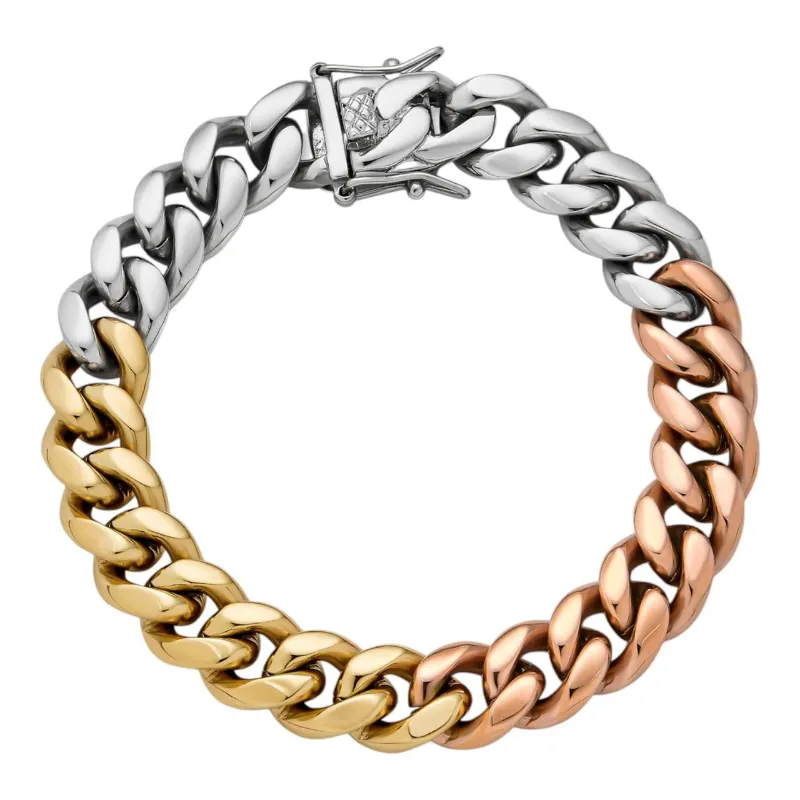
Heavy, bold chains benefit from 10K gold’s hardness. A thick Cuban link or Miami bracelet in 10K won’t stretch or warp under its own weight. The 3x ip gold miami cuban bracelet uses ion plating over a durable base, combining 10K’s strength with a luxe finish.
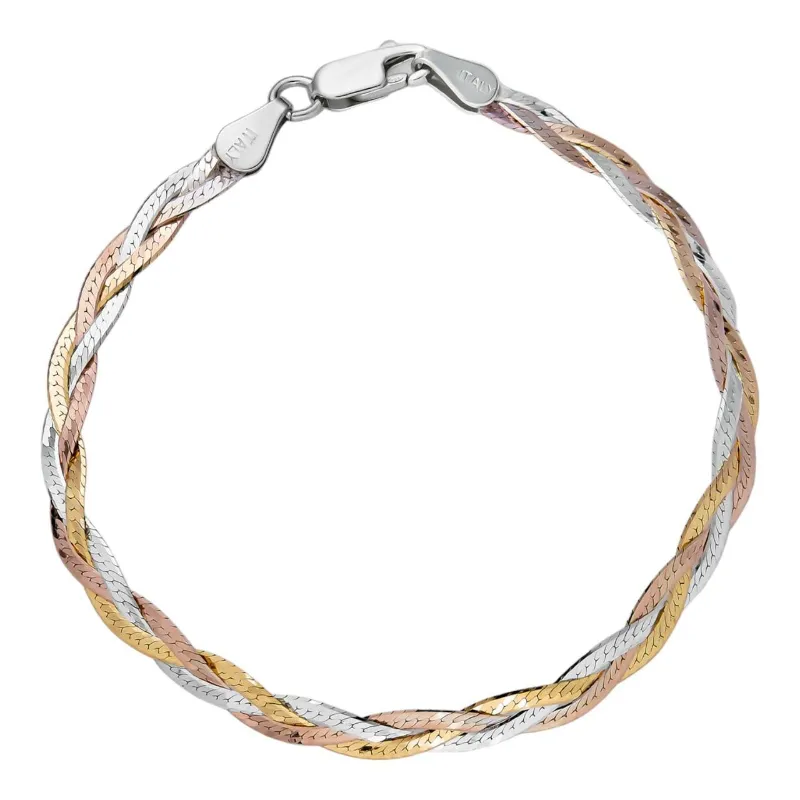
Delicate or intricate designs shine in 14K gold or sterling silver. The softer metals allow for detailed work, which is why you’ll see rope chains, Byzantine patterns, and braided styles in these options. A two-tone braided rose gold bracelet showcases the kind of craftsmanship that’s easier with 14K.
Everyday versatile chains work in any metal, so your choice comes down to budget and color preference. A simple circle chain or rope chain pairs with everything and looks great in silver or gold.
Think about the weight and style you want, then choose the metal that will hold that shape long-term.
Where to Buy and How to Save on Quality Chains
You can grab the code for 5% off all orders, which applies to gold and silver chains, bracelets, and pendants. That discount makes the jump from silver to 10K more affordable or lets you add a second piece like custom pendants to personalize your chain.
When shopping, verify the metal stamp (10K, 14K, or.925 for sterling) and check the clasp quality. A strong lobster or box clasp matters as much as the metal itself. Look for weight specs too, heavier chains feel more substantial and last longer regardless of metal type.
For those considering a sterling silver four-leaf clover bracelet or similar charm styles, confirm the charm itself is solid silver rather than plated. Plating wears off quickly on high-contact areas like bracelet charms.
Our Bottom-Line Recommendations
Choose 10K gold if you want a chain that survives daily showers, gym sessions, and years of constant wear without babying it. It’s the best value for active lifestyles.
Choose 14K gold when you’re buying a statement piece or gift that should look unmistakably luxurious. The color and feel justify the higher price for jewelry you’ll wear regularly but not 24/7.
Choose sterling silver when you want bold style on a budget, you’re building a jewelry collection with multiple pieces to rotate, or you simply prefer silver’s bright, cool tone over gold’s warmth. Just commit to the maintenance.
All three metals deliver quality when you buy from a reputable seller. Focus on your wearing habits and budget, then pick the metal that fits your life rather than chasing the “best” option that doesn’t match how you’ll actually use it.
Questions
Is 10K or 14K gold better for a chain I'll wear every day?
10K gold is harder and more scratch-resistant, making it the better choice for constant wear. 14K offers richer color but will show wear faster if you never take it off.
Does sterling silver turn your skin green?
The copper in sterling silver can oxidize and leave a harmless green tint on skin, especially in humid conditions. Quality sterling silver minimizes this, and keeping the piece clean helps prevent it.
Can I shower with a sterling silver four-leaf clover bracelet?
You can, but repeated exposure to soap and water accelerates tarnish. For longest life, remove silver jewelry before showering and store it in an airtight bag when not wearing it.
Will a 10K gold chain look too pale compared to 14K?
10K has a lighter, slightly less yellow tone than 14K, but most people can't tell the difference when worn alone. The color difference is only obvious when comparing the two side by side.
How often do I need to polish a silver rope chain?
Plan to polish every two to four weeks if you wear it regularly. If you rotate jewelry and store silver properly between wears, you can extend that to once a month or less.
Are Harlembling chains real gold or plated?
Harlembling offers both solid gold chains in 10K and 14K and plated options like IP gold over base metals. Always check the product description to confirm whether a piece is solid or plated.
Products in this guide
 Shopping at Harlembling? See the discount code
5% OFF All Orders
Shopping at Harlembling? See the discount code
5% OFF All Orders
More in this series
Custom Pendants From Harlembling: How Long Do They Take?24 Aug 20265 minWhy Is My Byzantine Chain Tangling? Common Issues and How to Fix Them24 Aug 20265 min Do Gold Grillz Damage Your Teeth? What Dentists Want You to Know24 Aug 20265 min
 Moissanite vs Diamond Watches: Which Offers Better Value for Hip Hop Jewelry?24 Aug 20265 minHow to Clean and Maintain Gold Cuban Link Bracelets Without Damaging the Finish24 Aug 20264 min