 A Ulofey guide
Clip-In Hair Extensions vs Fusion Hair Extensions: Damage, Cost, and Durability Compared
Hair extensions clip in 100 human hair offer a reversible alternative to fusion methods, with lower upfront costs and less risk of hair damage, but they require more frequent maintenance and repositioning.
Hair extensions clip in 100 human hair offer a reversible alternative to fusion methods, with lower upfront costs and less risk of hair damage, but they require more frequent maintenance and repositioning. Whether you’re adding volume, length, or color depth, the extension method you choose affects your hair health, your wallet, and how often you’ll need touch-ups.
Clip-In vs Fusion Hair Extensions: Key Differences
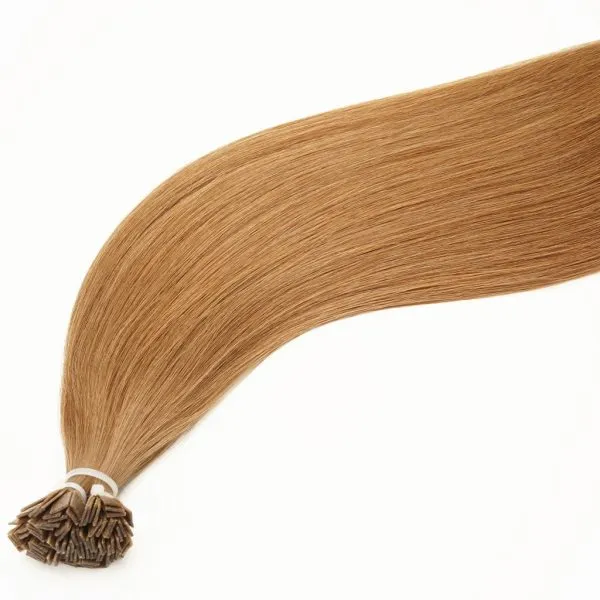
Clip-in extensions attach to your natural hair using small metal or silicone clips, letting you remove them at night or whenever you like. Fusion hair extensions use heat and adhesive to bond extensions directly to your hair shaft, creating a semi-permanent attachment that lasts 8 to 12 weeks before requiring maintenance.
The core tradeoff is flexibility versus longevity. Clip-in extensions like hair extensions clip in 100 human hair give you control: you apply and remove them on your schedule, making them ideal for testing a new look or protecting your natural hair during healing. Fusion bonds are hands-off once installed but demand professional removal and reapplication.
| Factor | Clip-In Extensions | Fusion Extensions |
|---|---|---|
| Application | DIY, 10-15 minutes | Professional only, 2-4 hours |
| Removal | Anytime, 2 minutes | Professional required |
| Lifespan | 6-12 months with care | 8-12 weeks per install |
| Damage risk | Very low | Moderate to high if removed improperly |
| Cost per install | $50-300 | $300-1000+ |
| Maintenance frequency | Daily clipping, weekly washing | Touch-ups every 6-8 weeks |
Hair Damage: Why Clip-In Extensions Are Gentler
Fusion applications expose your scalp and roots to intense heat and chemical adhesives, which can weaken your hair structure and cause breakage over time. When fusion extensions are removed, the process often tears out natural hair strands still bonded to the adhesive. Even professionals can cause damage if removal isn’t done carefully.
Clip-in extensions avoid these risks entirely. Since they rest on top of your hair and don’t require heat, adhesive, or sectioning of your roots, there’s no chemical or thermal stress on your natural strands. The metal clips apply gentle pressure to a small section of hair, similar to wearing a clip or headband. If you use human hair clip in extensions and space your clips across different sections each time you wear them, you spread any minor tension unevenly and reduce the chance of traction alopecia.
For users with fine, fragile, or heat-damaged hair, clip-in extensions preserve your hair health while still adding the length, volume, or color you want.
Cost Breakdown: Installation, Maintenance, and Replacement
A single clip-in extension application costs $50 to $300 depending on quality, density, and hair type. Most last 6 to 12 months with proper care, so your cost-per-month ranges from $4 to $50. You can wear the same set repeatedly, and if cared for properly, you’ll replace them only annually or less often.
Fusion extensions cost $300 to $1000+ upfront, but you’ll need professional touch-ups every 6 to 8 weeks as your natural hair grows and the bonds slip down. Over a year, touch-ups add another $600 to $1500. If you remove fusion extensions yourself or see an inexperienced technician, you risk breaking your natural hair and needing corrective treatments, which costs more.
Check the latest price on clip-in options from Ulofey and apply our code for 8% off all orders, making the upfront investment even lower.
Durability and Lifespan
Quality human hair clip in extensions with proper storage last 6 to 12 months, though some users report 18+ months if they wash them monthly and store them on a silk pillowcase or in a cool, dry place. The clips themselves rarely wear out; the hair may thin or tangle over time if you don’t detangle after each wear.
Fusion extensions last 8 to 12 weeks per installation before you need a professional retouch. Over a year, you’re committing to 4 to 6 salon visits. The extensions themselves may last longer, but your natural hair growth means the bonds slip further from your scalp each week, eventually becoming visible or pulling uncomfortably.
If you travel frequently, change hairstyles often, or prefer not to visit a salon regularly, clip-in extensions offer more freedom and less long-term commitment.
Who Should Choose Clip-In Extensions
Clip-in extensions suit anyone who wants temporary volume, length, or a color experiment without salon appointments. They work well for special events, photoshoots, or testing a new look before committing to a permanent method. If your natural hair is fine, curly, or recovering from damage, clip-in options minimize risk while you restore strength.
Professionals like actors, models, and content creators often prefer hair extensions clip in 100 human hair because they can swap styles quickly and don’t require downtime between looks. Wedding guests, bridesmaids, or anyone wanting glamour for one day benefit from the ease and reversibility.
Who Should Choose Fusion Extensions
Fusion extensions suit people who wear extensions 5+ days a week and want a seamless, hands-free look that doesn’t require daily application. If you’re attending a wedding, celebration, or extended event where you want consistent, polished hair without reapplication, fusion can be worth the commitment. Athletes and swimmers who can’t wear clip-ins due to sweat and movement often choose fusion for that reason.
However, fusion demands commitment to professional care, regular salon visits, and acceptance of some natural hair stress. It’s best for those with naturally strong, thick hair that can withstand the process.
Maintenance and Care Tips
Clip-in extensions need daily detangling after wear. Use a wide-tooth comb or a brush designed for extensions, working from the ends upward to avoid matting. Wash them weekly in cool water with sulfate-free shampoo, lay them flat to dry, and store them on a silk pillowcase or in a drawer to prevent tangling. Reposition your clips each time you wear them so you’re not always clipping the same section of hair.
For fusion hair weave options, professional removal is essential; never pull or cut fusion bonds yourself. After removal, your natural hair needs a break: deep condition weekly for 2 to 3 weeks to restore moisture and strength before reinstalling.
Ready to explore clip-in options? Grab the code and browse Ulofey’s selection of premium human hair clip-in extensions to find your match.
Deciding Between the Two
Start with clip-in extensions if you’re new to adding hair, have concerns about damage, or want flexibility. They’re low-risk, affordable, and let you test different styles before committing to a more permanent method. Many users start with clip-ins and graduate to fusion only after confirming they like extensions long-term and can afford the ongoing salon costs.
Choose fusion only if you wear extensions daily, prioritize a seamless look over convenience, have the budget for ongoing maintenance, and your natural hair is strong enough to handle the process safely. Fusion extensions are powerful tools for dramatic transformation, but clip-in alternatives deliver comparable volume and beauty with far fewer trade-offs for most lifestyles.
Questions
Can I sleep in hair extensions clip in 100 human hair?
Yes, but we recommend removing them before bed to extend their lifespan and avoid matting. Sleeping in clip-ins nightly can tangle the hair and loosen the clips over time. Removing them takes 2 minutes and protects your investment.
How long do human hair clip in extensions last?
Quality human hair clip-in extensions last 6 to 12 months with proper care, including weekly washing, detangling, and correct storage. Some users report 18+ months if they're careful about maintenance and wear.
Do clip-in extensions damage your natural hair?
Clip-in extensions pose very low damage risk when worn correctly. Since they don't use heat, adhesive, or permanent bonds, they avoid the breakage and scalp stress that fusion methods can cause. Rotating clip placement and removing them at night further minimizes any tension.
Are fusion hair extensions worth the cost compared to clip-ins?
Fusion extensions cost more upfront and require regular salon touch-ups, but they offer a seamless, hands-free look for heavy daily wear. Clip-in extensions are more affordable and lower-commitment, making them better for most users unless you need extensions 5+ days a week.
What's the best way to care for human hair clip in extensions?
Wash them weekly in cool water with sulfate-free shampoo, detangle gently after each wear, and store flat on a silk pillowcase or in a drawer. Reposition the clips across different sections of your hair to avoid always clipping the same spot.
Can I wear clip-in extensions during exercise or swimming?
Clip-ins can handle light activity, but intense sweating or water exposure can loosen them and cause tangling. If you need extensions for daily workouts or swimming, fusion is a more reliable option, though it carries higher damage risk.
Products in this guide
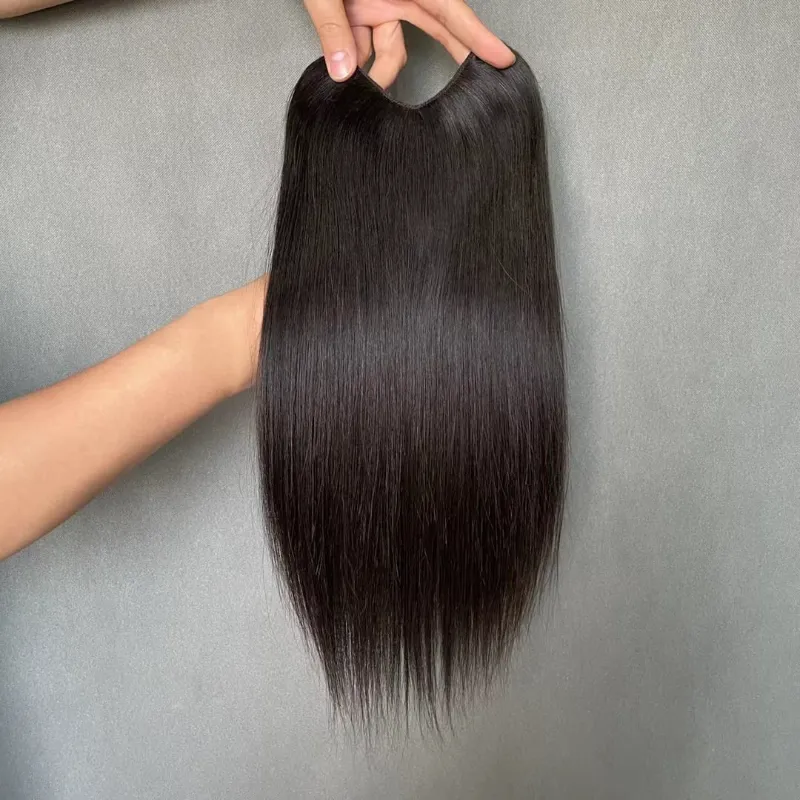 Shopping at Ulofey? See the discount code
8% OFF All Orders
Shopping at Ulofey? See the discount code
8% OFF All Orders
More in this series
 Silk Hair Toppers for Thinning Hair: How They Work and What to Expect1 Sep 20265 min
 Why Your Platinum Blonde or Honey Blonde Wig is Tangling: Troubleshooting and Prevention1 Sep 20266 minBest Ulofey Wig Colors for Different Skin Tones: Platinum Blonde to Honey Brown1 Sep 20264 minGlueless Wigs vs Lace Wigs: Which Ulofey Wig Construction Works Best for You?1 Sep 20264 minHow to Care for 100% Human Hair Wigs: Washing, Styling, and Longevity Tips1 Sep 20264 min