 A The Belfaire guide
How to Clean and Care for Buffalo Leather Belts Without Damage
Buffalo leather belts need regular conditioning and gentle cleaning to maintain their durability and natural patina without cracking or drying out.
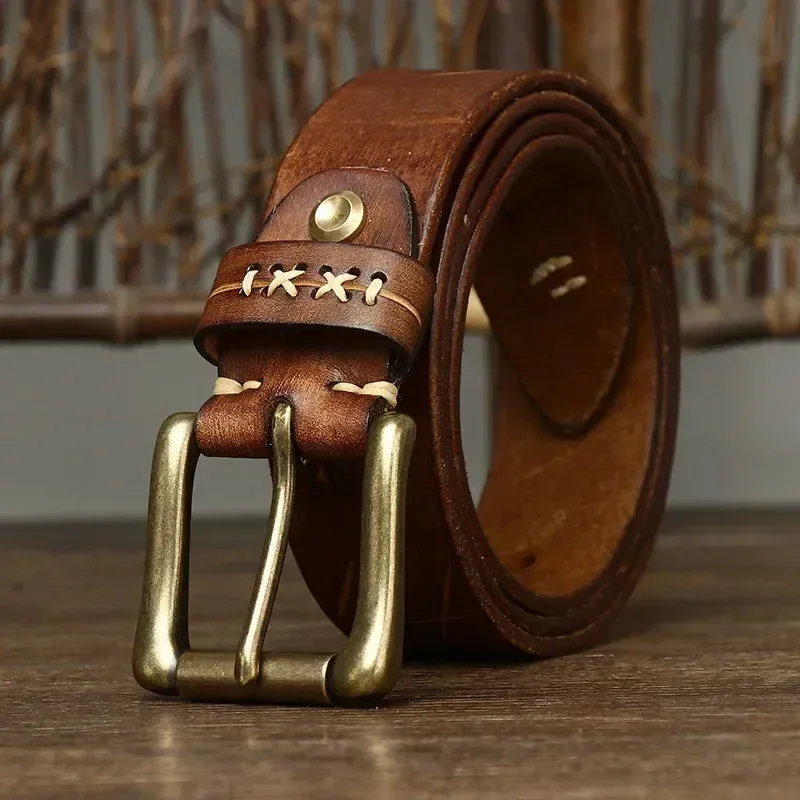
Buffalo leather belts develop a rich patina and outlast most other leather goods when you maintain them correctly. Whether you own buffalo leather belts from The Belfaire or alternatives like wb atlas belts, the same core principles apply.
Buffalo hide is thicker and more porous than cowhide, which means it drinks up conditioner quickly but also needs protection from water and harsh cleaners. In this guide, we’ll walk you through routine cleaning, deep conditioning, stain removal, and storage so your belt stays in top shape.
What Makes Buffalo Leather Different
Full grain buffalo leather comes from water buffalo and features a tighter grain structure than standard cowhide. The fibers are denser, which translates to exceptional tensile strength, ideal for belts that hold weight day after day. Buffalo Belt Works specializes in handmade options that showcase this durability.
Key characteristics:
- Thicker hide: 10 to 15 percent thicker than cattle leather, resisting stretching and tearing
- Natural texture: Visible grain patterns and occasional scars add character
- Oil absorption: Buffalo hide soaks up conditioning oils faster, requiring more frequent care
- Water sensitivity: The porous surface can darken or stain if soaked
Because of that oil-hungry nature, buffalo leather gun belts and everyday dress belts both benefit from conditioning every two to three months under normal wear.
Routine Cleaning for Everyday Dirt
Most dirt on your belt comes from dust, body oils, and contact with fabric. Clean your buffalo leather belt every four to six weeks to prevent buildup that can dry the leather.
What you need:
- Soft, lint-free cloth (microfiber works well)
- Distilled water
- Mild saddle soap or leather cleaner (pH-neutral)
- Second dry cloth
Steps:
- Wipe the entire belt with a dry cloth to remove surface dust.
- Dampen your cloth with distilled water, never soak it.
- Add a pea-sized amount of saddle soap to the damp cloth and work it into a light lather.
- Gently wipe the belt in small sections, following the grain direction.
- Use a clean, damp cloth to remove soap residue.
- Dry immediately with a soft towel and let the belt air-dry flat for 20 minutes.
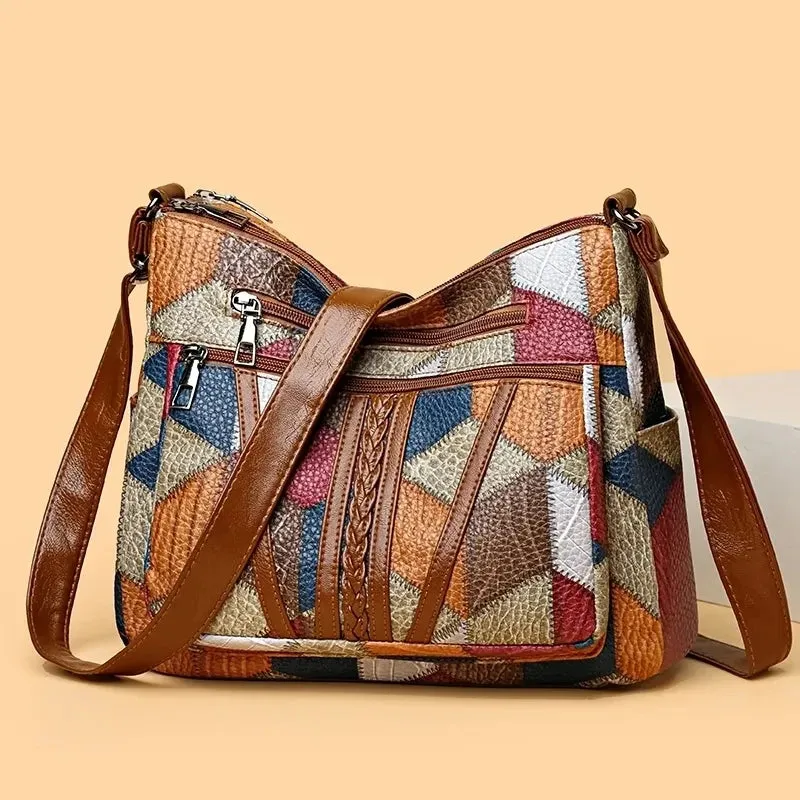
Never submerge your belt or use hot water, which can warp the leather and loosen the buckle stitching. If you’re also maintaining accessories like the mosaic handbag, the same gentle approach applies.
Deep Conditioning to Prevent Cracking
Buffalo head leather needs oils to stay flexible. When the hide dries out, you’ll notice stiffness and eventually surface cracks. Conditioning replenishes natural oils and creates a barrier against moisture.
Best conditioning schedule:
- Light daily wear: every 8 to 12 weeks
- Heavy use (work belts, gun belts): every 4 to 6 weeks
- Dry climates or winter: monthly
How to condition:
- Clean the belt first (see above) and let it dry completely.
- Apply a nickel-sized amount of leather conditioner (mink oil, neatsfoot oil, or beeswax-based cream).
- Rub the conditioner in circular motions with a clean cloth, covering both sides of the belt.
- Let it absorb for 15 to 20 minutes.
- Buff away excess with a dry cloth to avoid a greasy finish.
For buffalo belts made in usa that use vegetable-tanned leather, choose conditioners without petroleum or silicone, they can seal the pores and prevent the leather from breathing. Check the latest price on The Belfaire’s buffalo leather options, which pair well with natural conditioning products.
Removing Stains and Scuffs
Buffalo leather’s tight grain resists some stains, but water spots and oil marks still happen.
| Stain Type | Treatment | Notes |
|---|---|---|
| Water spots | Dampen the entire belt evenly, then dry flat | Blending prevents rings |
| Oil or grease | Sprinkle cornstarch, let sit 2 hours, brush off | Absorbs fresh oil; repeat if needed |
| Ink or dye | Isopropyl alcohol on a cotton swab (test first) | May lighten leather; use sparingly |
| Scuffs | Rub gently with a soft cloth and conditioner | Buffs out minor surface marks |
For stubborn stains, professional leather cleaners can save the belt without damaging the finish. Avoid household cleaners, bleach, or acetone, they strip the natural oils and can crack the hide.

If you notice discoloration after wearing your belt with denim or vanguard washed cargo trousers, dye transfer is common. A leather deglaze solution (used sparingly) can lift fresh dye before it sets.
Proper Storage and Long-Term Care
How you store your belt between wears matters as much as cleaning. Folding or hanging incorrectly can create permanent creases or stretch the leather.
Storage tips:
- Hang or roll: use a belt hanger or roll the belt loosely, buckle in the center
- Avoid tight coils: folding the belt in half repeatedly weakens the leather at the fold point
- Cool, dry space: humidity above 60 percent encourages mold; below 30 percent dries the hide
- Keep away from heat: radiators, car trunks, and direct sunlight crack leather fast
If you’re storing seasonal belts like the giraffe belt or dress options, wrap them in breathable cotton (never plastic) to protect against dust while allowing air circulation.
Before putting a belt away for months, clean and condition it. Dirt left on the leather can harden and bond to the surface, making future cleaning harder.
When to Seek Professional Help
Some damage is beyond home care. Bring your belt to a leather repair specialist if you see:
- Deep cracks that expose underlying layers
- Buckle separation or torn stitching near the holes
- Mold or mildew (white or green patches)
- Severe discoloration from chemical exposure
Professional restoration can re-dye, restitch, and recondition belts, often for a fraction of replacement cost. For comparison, Buffalo Leather Belts from specialty tanneries can run well over a hundred dollars, so repair is usually worth it.
Regular maintenance keeps repair costs down. We recommend inspecting your w b atlas belts and other leather accessories every few months for early signs of wear.
Final Thoughts
Buffalo leather belts reward consistent care with decades of use and a patina that only improves with age. Clean gently every month or two, condition based on your climate and wear frequency, and store properly between uses. The small investment of time now prevents costly replacements and keeps your belt looking sharp.
For current offers on buffalo leather options and other premium accessories, grab the code for 15% off all orders at The Belfaire. Whether you’re maintaining a rugged work belt or a sleek dress option, these care steps apply across the board.
Questions
How often should I condition buffalo leather belts?
Condition every 8 to 12 weeks for light daily wear, or every 4 to 6 weeks if you wear your belt heavily or live in a dry climate. Buffalo hide absorbs oil quickly, so more frequent conditioning prevents cracking.
Can I use regular shoe polish on my buffalo leather belt?
No. Shoe polish contains waxes and dyes that can clog the pores of full grain buffalo leather and prevent it from breathing. Stick to pH-neutral leather conditioners like mink oil or beeswax cream.
What should I do if my belt gets soaked in rain?
Blot excess water with a towel immediately, then let the belt air-dry flat at room temperature. Once dry, apply conditioner to restore oils. Never use heat to speed drying, as it will crack the leather.
How do I remove water spots from buffalo leather?
Dampen the entire belt evenly with distilled water using a cloth, then let it dry flat. This blends the water spot into the rest of the leather and prevents visible rings from forming.
Is buffalo leather stronger than cowhide for belts?
Yes. Buffalo hide is 10 to 15 percent thicker with denser fibers, giving it superior tensile strength and resistance to stretching. This makes it ideal for gun belts and heavy-duty work belts.
Should I store my belt rolled or hung?
Either works if done correctly. Hang the belt on a proper belt hanger, or roll it loosely with the buckle in the center. Avoid folding it in half repeatedly, which creates permanent creases.
Products in this guide
Shopping at The Belfaire? See the discount code
15% OFF All Orders
More in this series
 What to Look for When Buying a Tactical Sandal for Hiking and Urban Use21 Aug 20265 minDo Vanguard Washed Cargo Trousers Shrink After Washing?21 Aug 20265 min
 Van Cleef vs Lucid Apple Watch Band: Which Premium Band Lasts Longer?21 Aug 20265 minTerra Tactical Sandals Review: Are They Worth It for Everyday Wear?21 Aug 20264 min