 A IUGA guide
How to Choose the Right Yoga Mat: TPE vs Cork vs PVC for Your Practice
A tpe yoga mat offers eco-friendly cushioning and grip for most yoga styles, but cork and PVC each shine in specific scenarios.
A tpe yoga mat balances eco-friendliness, cushioning, and grip for most yoga practitioners, while cork excels in hot yoga and PVC offers budget durability.
Choosing the right yoga mat starts with understanding how material affects your practice. TPE (thermoplastic elastomer) has surged in popularity as a middle-ground option that addresses the toxic concerns of PVC without sacrificing cushioning. Cork appeals to hot yoga enthusiasts who need absorbent grip, and PVC remains the affordable workhorse for studio and home use. The best choice depends on your yoga style, environmental values, and how you prioritize grip versus padding.
What Is TPE Yoga Mat Material and Why It Matters
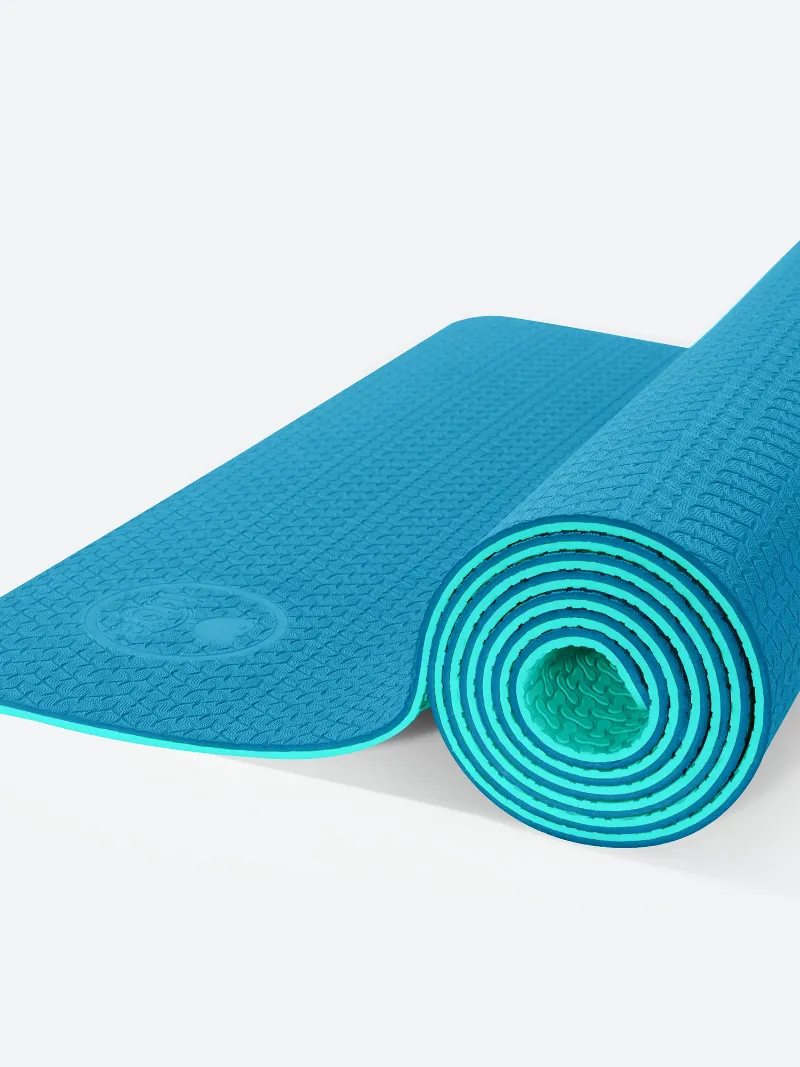
TPE yoga mat material is a synthetic polymer blend that’s free of latex, PVC, and phthalates. Unlike traditional PVC mats, TPE is fully recyclable and biodegrades faster when disposed of properly. The llamaste eco-friendly non-slip tpe yoga mat exemplifies this category with closed-cell construction that blocks sweat and bacteria while offering 6mm of cushioning.
The key advantage: TPE delivers joint protection without the environmental guilt. Most TPE mats are lighter than rubber (typically 2-4 pounds) and easier to roll, making them ideal if you commute to class. The material feels slightly tacky when dry, providing moderate grip that improves as your hands warm up. Yoga mat experts note that TPE works best for vinyasa, hatha, and restorative practices where you need padding but not extreme slip resistance.
One trade-off: TPE yoga mats wear faster than PVC under heavy use. If you practice daily power yoga or hot yoga with intense foot pivots, expect 1-2 years of lifespan versus 3-5 years for industrial-grade PVC. For most practitioners doing 3-4 sessions weekly, a quality tpe yoga mat will last comfortably through two years of regular use.
PVC vs TPE Yoga Mat: Durability and Grip Compared
PVC (polyvinyl chloride) remains the studio standard because it’s nearly indestructible and offers sticky grip even when wet. The material is denser and heavier, which prevents bunching during jump-throughs and warrior transitions. Studios favor PVC for its ability to withstand hundreds of classes without flaking or losing texture.
TPE counters with lighter weight and zero off-gassing. Fresh PVC mats often smell chemical for weeks; TPE is odor-free out of the box. Here’s how they stack up:
| Feature | TPE | PVC |
|---|---|---|
| Weight | 2-4 lbs | 5-7 lbs |
| Grip (dry) | Moderate | High |
| Grip (wet) | Moderate | High |
| Eco-impact | Recyclable, biodegradable | Non-recyclable, petroleum-based |
| Lifespan | 1-2 years | 3-5 years |
| Odor | None | Chemical smell initially |
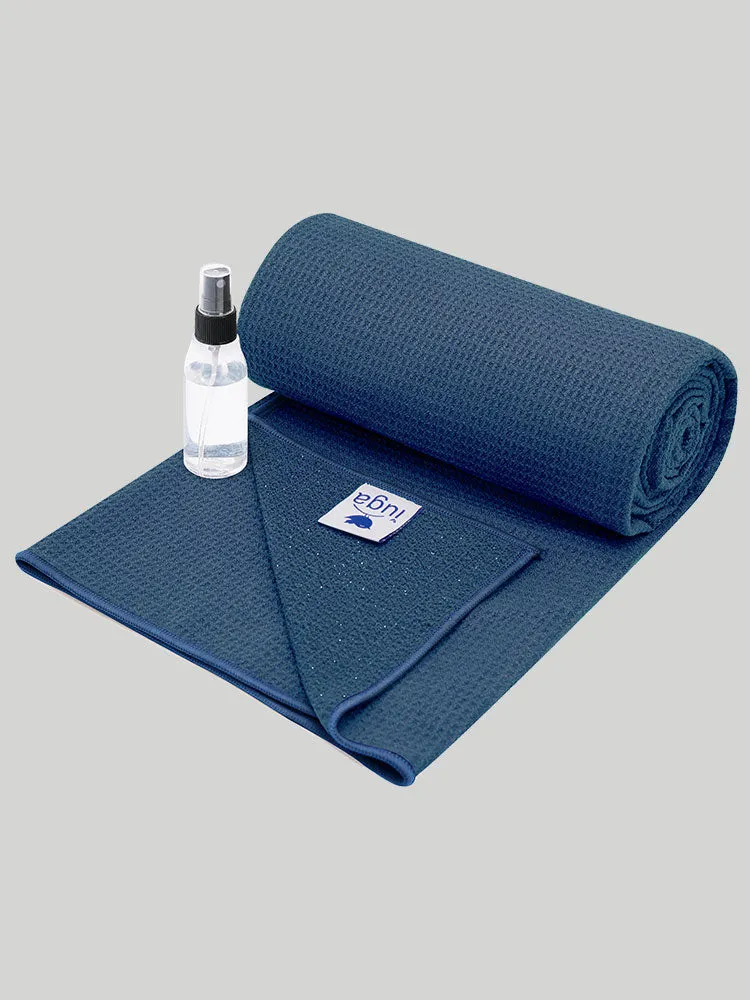
For practitioners who sweat heavily, PVC maintains better traction. Pair either mat with a yoga mat towel during hot sessions to prevent slipping regardless of base material. If you value portability and plan to travel with your mat, TPE’s lighter profile wins. Check the current pricing and grab our code for 25% off both options.
Cork and Rubber Alternatives: When TPE Isn’t Enough
Cork yoga mats shine in one specific scenario: hot yoga and any practice where you drench the mat. Cork becomes grippier as it absorbs moisture, the opposite of TPE and PVC which grow slippery. The natural antimicrobial properties also mean less odor buildup over time.
The downside? Cork mats offer minimal cushioning (typically 3-5mm) and cost more. If you have sensitive knees or wrists, you’ll want a thicker base or a folded blanket for kneeling poses. Material comparisons show cork works best as a thin top layer over a rubber or TPE base.
Natural rubber mats provide the stickiest grip and best durability, but they’re heavy (6-8 lbs), smell earthy for months, and trigger latex allergies. TPE vs rubber yoga mat comes down to whether you prioritize traction over portability. Rubber is overkill for beginners; it’s the choice of advanced practitioners doing arm balances and inversions where hand placement is critical.
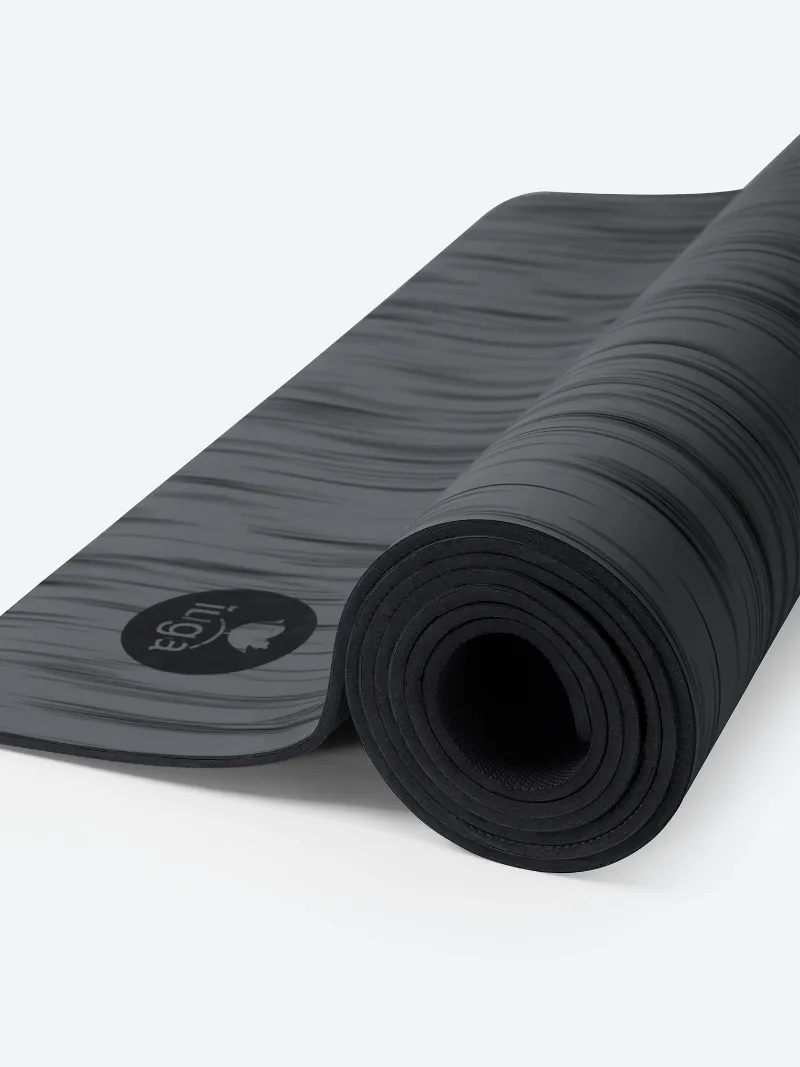
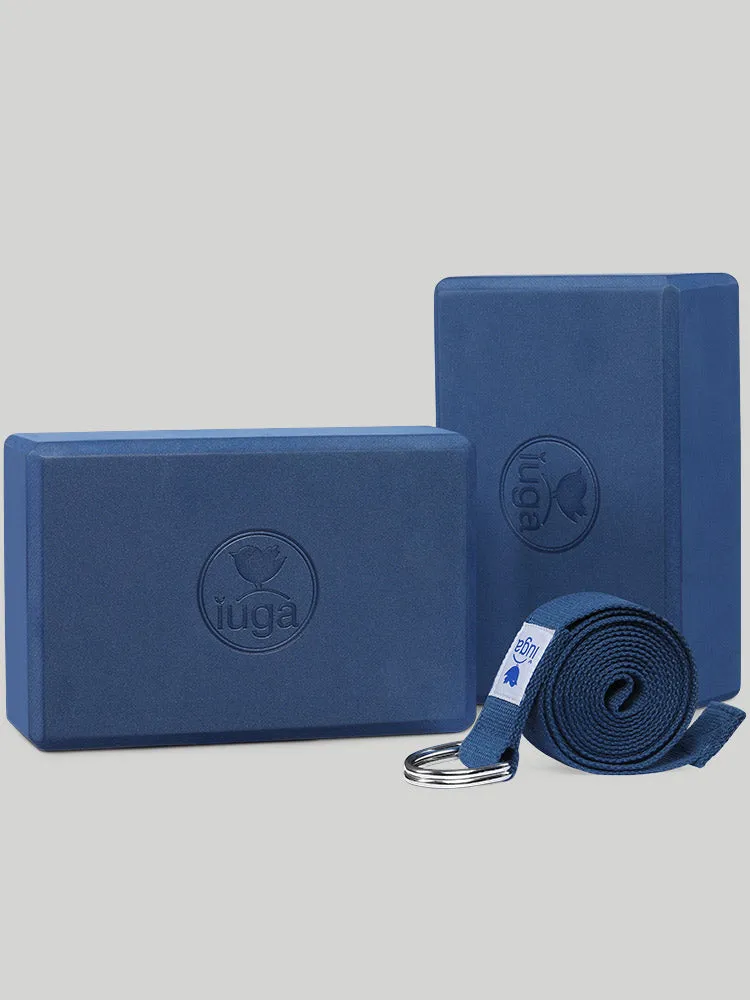
The huit heritage eco friendly yoga mat combines materials strategically, layering texture where you need grip and padding where joints contact the floor. Pair it with a yga block to modify poses while your body adapts to the surface.
Thickness, Texture, and Toxic Concerns: TPE Yoga Mat 6mm Explained
Standard yoga mats range from 3mm (travel) to 6mm (cushioned) to 8mm+ (therapeutic). A tpe yoga mat 6mm hits the sweet spot for most bodies, offering enough padding to protect knees during low lunges without creating instability in balance poses. Thicker isn’t always better; once you exceed 6mm, proprioception suffers and standing poses feel wobbly.
Texture matters as much as thickness. Smooth TPE can feel slippery to beginners; look for mats with embossed patterns or a slightly rough finish. The closed-cell structure prevents sweat from soaking in, but it also means you need to wipe the surface between uses to maintain grip.
Is tpe yoga mat toxic? No. Unlike PVC, which may contain phthalates and heavy metals, TPE is free of known carcinogens and endocrine disruptors. Independent testing confirms TPE doesn’t leach chemicals during normal use. If you’re pregnant or chemically sensitive, TPE and natural rubber are the safest choices. Always air out any new mat for 24 hours before first use, regardless of material.
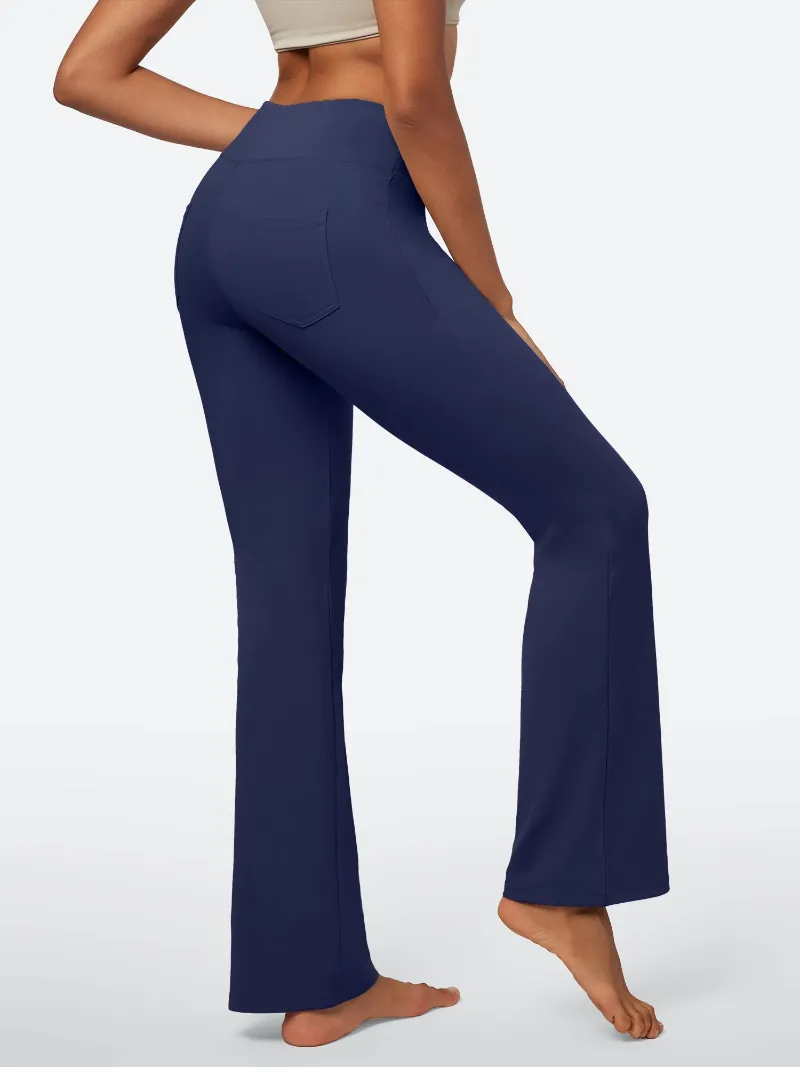
For storage, roll your TPE mat loosely and keep it out of direct sunlight. UV exposure degrades the polymer over time, causing the surface to become brittle. Pair your mat with yoga pants with pockets so you can carry your phone and keys hands-free to and from class.
How to Choose: Match Material to Your Yoga Style
Your practice type should drive your decision more than trends or brand hype. Here’s our recommendation by discipline:
- Hatha, Yin, Restorative: TPE 6mm for joint cushioning during long-held poses
- Vinyasa, Power Flow: PVC for grip during transitions, or TPE with a towel overlay
- Hot Yoga, Bikram: Cork top layer or a dedicated yoga mat towel over any base
- Ashtanga, Mysore: Thin PVC (3-4mm) for stable jump-backs and precise foot placement
- Home Practice, Beginners: TPE for versatility and easy maintenance
If you cross-train, consider owning two mats: a thicker TPE for gentle days and a grippy PVC for intense sessions. Many practitioners keep a travel mat (foldable TPE, around 2mm) in their car and a premium mat at home.
Budget also plays a role. Entry-level PVC mats start lower in price but may contain lower-quality plasticizers. Mid-range TPE options like the tpe yoga mat offer better value over their lifespan when you factor in recyclability. Check the latest price and apply our discount code to compare current offers on both materials.
Care and Lifespan: Making Your Mat Last
TPE requires gentler cleaning than PVC. Mix one part white vinegar with three parts water in a spray bottle, mist the surface after each use, and wipe with a microfiber cloth. Avoid harsh detergents or essential oils, which can break down the polymer. Let the mat air-dry completely before rolling it up to prevent mildew.
PVC tolerates more aggressive cleaning. You can use yoga mat sprays with tea tree oil or even a damp sponge with mild soap. The denser material dries faster and resists mold better than TPE.
For long-term storage, never leave any mat in a hot car or garage. Heat accelerates degradation in TPE and makes PVC brittle. When your mat shows signs of flaking, loss of grip, or visible wear through the top layer, it’s time to replace it. Most brands accept old mats for recycling; check the manufacturer’s take-back program before tossing it in the trash.
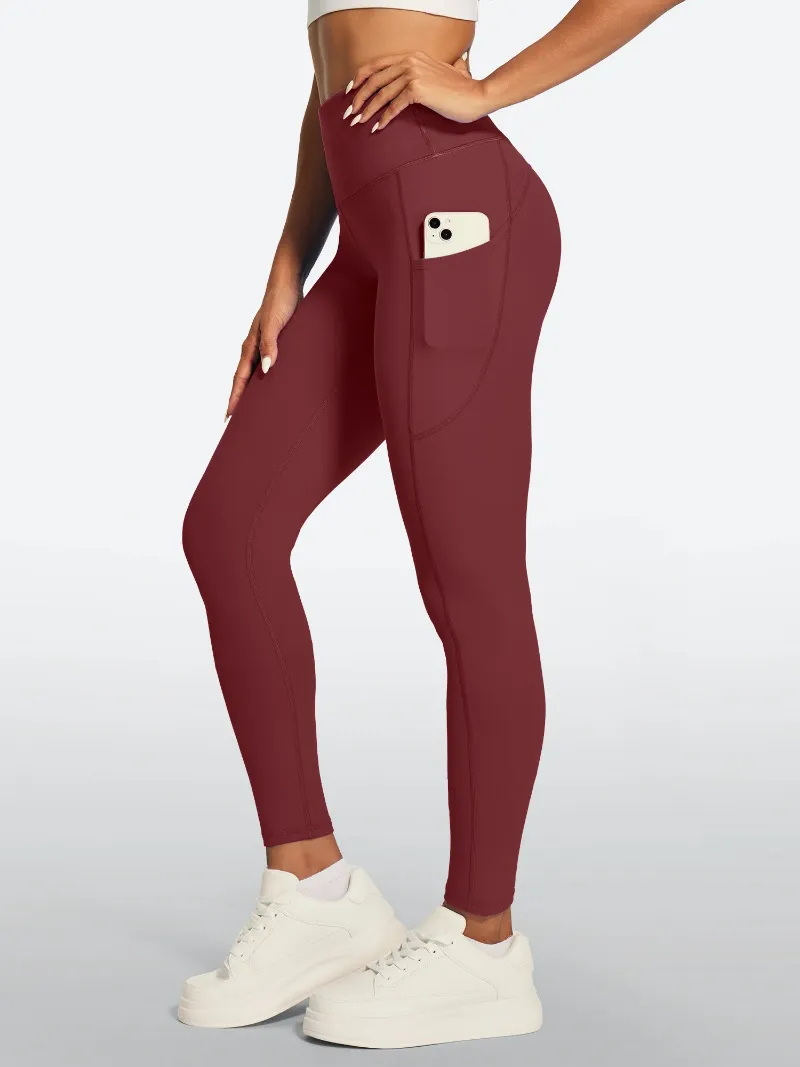
Between poses, stay comfortable in moisture-wicking fleece lined leggings during cooler studio sessions, or breathable yoga pants with pockets when the room heats up. The right gear extends your practice comfort beyond just the mat surface.
Questions
Is a TPE yoga mat better than PVC for beginners?
Yes, TPE offers a softer, more forgiving surface that cushions joints during learning phases. It's also odor-free and lighter to carry, making it easier for new practitioners to stay consistent with their practice.
Can I use a TPE yoga mat for hot yoga?
TPE works for hot yoga if you layer a yoga mat towel on top. TPE alone becomes slippery when saturated with sweat, but the towel provides absorbent grip while the TPE base cushions your joints.
How long does a 6mm TPE yoga mat last with regular use?
With 3-4 sessions per week and proper care, expect 1-2 years before grip and cushioning degrade noticeably. Daily power yoga or outdoor use shortens lifespan, while gentle home practice can extend it beyond two years.
Are TPE yoga mats toxic or safe for pregnancy?
TPE yoga mats are non-toxic and free of phthalates, latex, and PVC. They're considered safe for pregnancy and chemically sensitive individuals, though you should always air out any new mat for 24 hours before first use.
What's the difference between TPE and rubber yoga mats?
Rubber offers superior grip and durability but weighs twice as much as TPE and may trigger latex allergies. TPE is lighter, hypoallergenic, and fully recyclable, making it better for travel and eco-conscious practitioners who don't need maximum traction.
Do I need a thicker mat if I have sensitive knees?
A 6mm TPE mat provides enough cushioning for most people with knee sensitivity. If you still feel discomfort during kneeling poses, fold the mat double under your knees or add a yoga block for support rather than buying an 8mm mat that compromises balance.
Products in this guide
 Shopping at IUGA? See the discount code
25% OFF Sitewide
Shopping at IUGA? See the discount code
25% OFF Sitewide
More in this series
How to Wash and Care for Your Yoga Mat Towel Without Ruining the Grip14 Aug 20264 minDo Yoga Pants with Pockets Really Stay Secure During Inversions?14 Aug 20264 min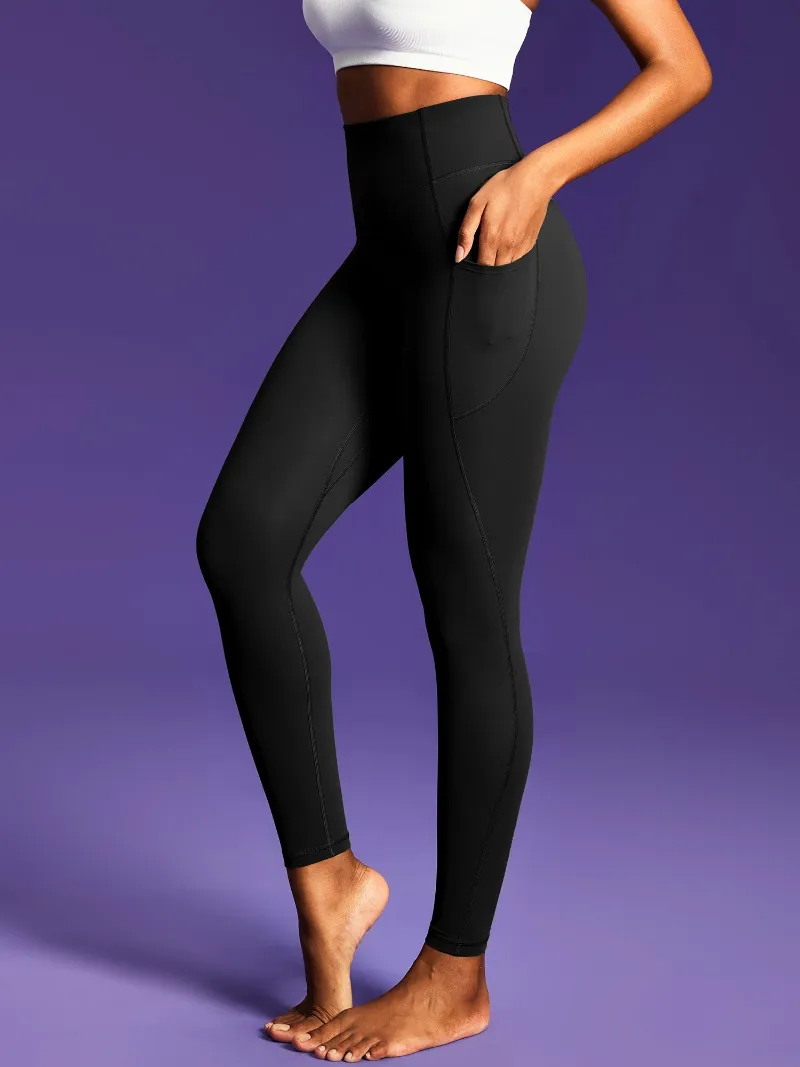 IUGA Butt Lifting Leggings vs Regular Leggings: What’s the Difference?14 Aug 20265 min
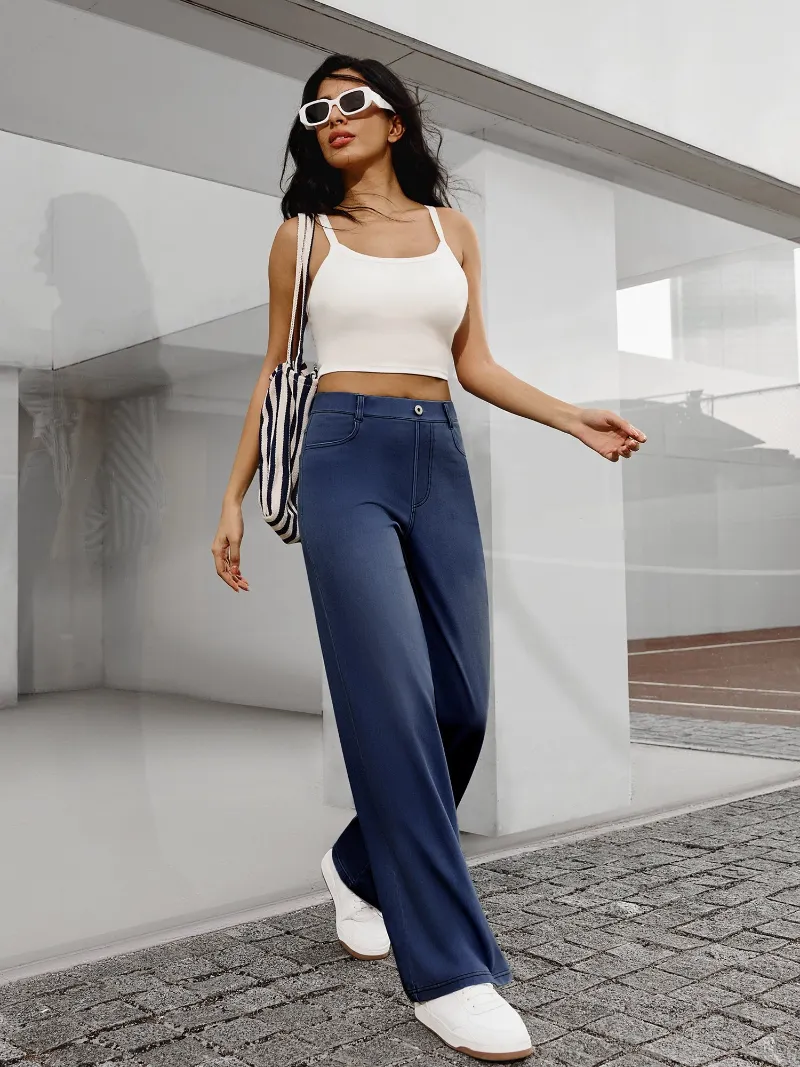 What Tops Actually Look Good with Wide Leg Jeans14 Aug 20265 minAre IUGA Fleece Lined Leggings Worth It for Cold Weather Workouts?14 Aug 20265 min