 A Marknvy guide
How to Choose Between Traditional and Modern Ao Dai for Your Wedding
A modern ao dai offers sleek silhouettes and contemporary details, while traditional styles honor centuries of Vietnamese heritage with intricate embroidery and classic cuts.
A modern ao dai features streamlined cuts, minimalist embellishments, and contemporary fabrics that move easily, while traditional versions showcase hand-embroidered phoenixes, dragons, and elaborate beadwork on silk that honors Vietnamese heritage.
The silhouette and decoration level define the biggest difference between the two. Traditional ao dai clings from shoulder to hip with a mandarin collar and sleeves that end at the wrist, often layered with metallic thread work and symbolic motifs. Modern interpretations play with off-shoulder necklines, cap sleeves, side slits that sit higher, and cleaner panels that let the fabric speak. Vietnam wedding clothes now span this full spectrum, so your choice depends on venue formality, cultural expectations, and how much you want to move.
What Makes a Modern Ao Dai Different from Traditional Styles
Modern designs trim away the weight. Where traditional ao dai can carry 400+ grams of embroidery thread and beading, contemporary versions use laser-cut appliqués, tonal stitching, or leave the silk panels bare. The fit also shifts: traditional styles require a tailor to achieve the signature body-skimming line, while modern cuts often include stretch panels or slightly relaxed torsos that forgive movement during a long reception.
Necklines and sleeves offer the clearest visual cue. Traditional ao dai almost always pairs a high mandarin collar with long fitted sleeves. Modern versions experiment with:
- Boat necks and sweetheart cuts
- Illusion panels in tulle or lace
- Three-quarter or flutter sleeves
- Asymmetric hems on the front panels
Fabric weights differ too. Traditional silk brocade and duchess satin create structure, while modern ao dai often use chiffon overlays, crepe, or blended fabrics that photograph well under movement. If you want to dance or walk through garden venues, lighter materials prevent overheating. Check the latest price to compare fabric options across both categories.
How to Match Your Ao Dai Style to Your Wedding Venue and Tone
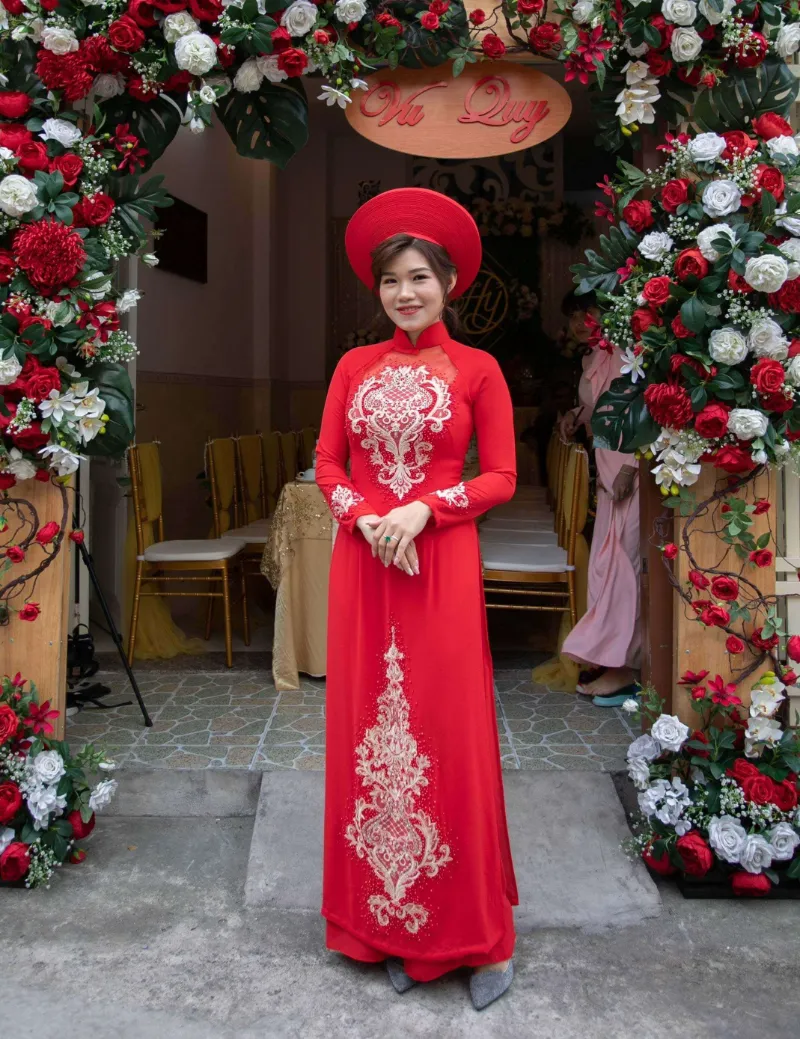
Formal temple or cultural center ceremonies call for traditional designs. Elders and guests expect the full mandarin collar, long sleeves, and symbolic embroidery that signals respect for Vietnamese customs. A vietnamese wedding dress in red or gold with phoenix and peony motifs fits these settings without question.
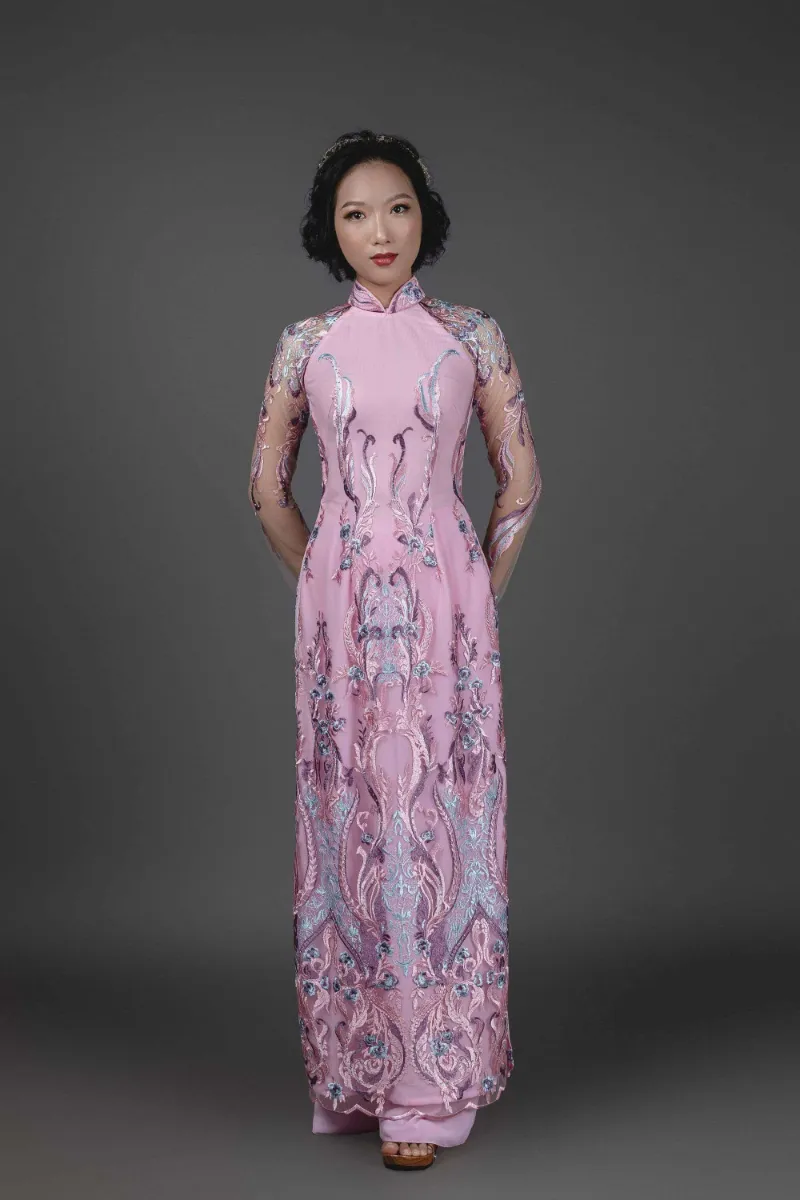
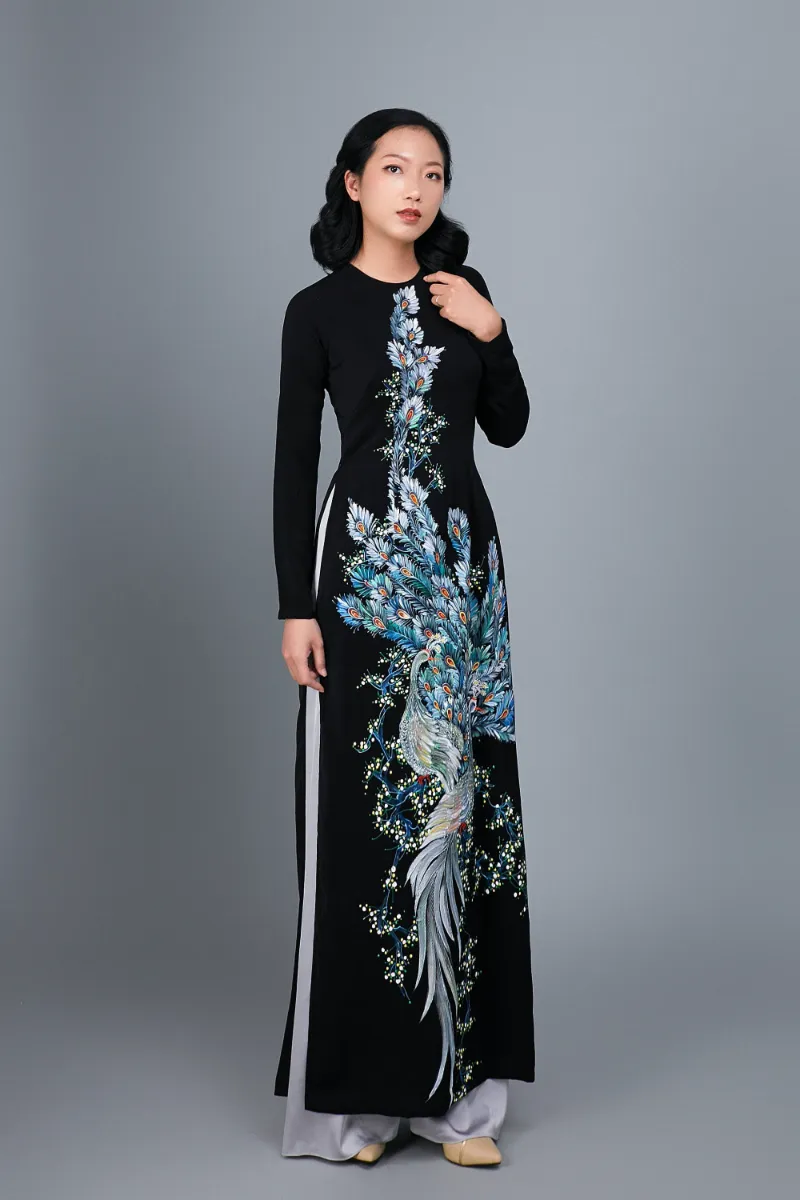
Modern venues like lofts, rooftop gardens, or destination beach ceremonies give you permission to choose streamlined styles. A pink ao dai with minimal embellishment works beautifully for spring garden receptions, while a black ao dai offers drama for evening celebrations. Outdoor settings also benefit from lighter fabrics that won’t trap heat or snag on chairs and pathways.
Consider a two-dress approach if your wedding spans both contexts. Wear traditional for the tea ceremony and family portraits, then change into a modern cut for the reception and dancing. Many brides keep the same color family but switch the level of embellishment and ease of movement.
Choosing Colors, Embellishments, and Accessories for Each Style
Traditional ao dai leans into cultural symbolism. Red signals luck and joy, gold represents wealth and prosperity, and deep pink honors femininity. Embroidery motifs carry meaning: dragons and phoenixes unite bride and groom, lotus flowers symbolize purity, and peonies promise a happy marriage. If your family values these traditions, prioritize designs that feature hand-stitched or machine-embroidered panels in metallic thread.
Modern styles open the palette to pastels, jewel tones, and even black. A pink ao dai in blush or coral feels fresh without abandoning Vietnamese aesthetics, and a black ao dai offers sophistication for evening events. Embellishments shift to sequins, beading along seams, or negative-space lace appliqués that create texture without heavy symbolism.
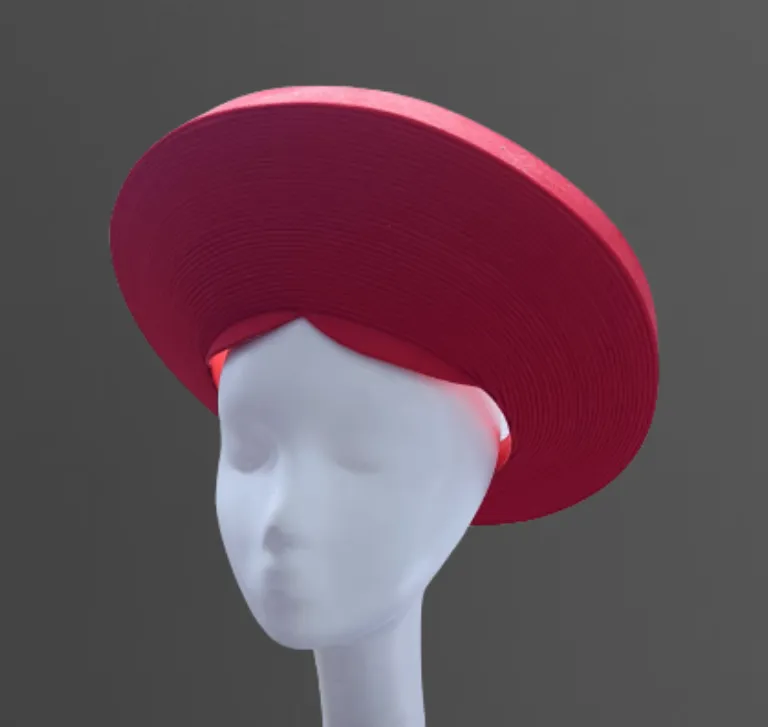
Accessories tie the look together. Traditional brides wear a vietnamese headpiece called a khan dong, often decorated with pearls, crystals, and floral elements that echo the dress embroidery. A vietnam headband offers a lighter alternative for modern styles, sitting lower on the head with simpler metallic or jeweled accents. Footwear matters too: traditional setups pair with embroidered flats or low heels, while modern ao dai can handle strappy sandals or even ankle boots for contemporary ceremonies.
Sizing, Tailoring, and Fit Considerations for Both Styles
Traditional ao dai demands custom tailoring. The body panels must follow your exact measurements from shoulder to hip with zero gaping or pulling, and the pants need to skim the floor without dragging. Budget 4 to 6 weeks for a skilled tailor to cut, fit, and finish a traditional piece. Most traditional designs use non-stretch silk or brocade, so weight fluctuations of even 2 to 3 kilograms will affect fit.
Modern designs often come in standard sizing with some stretch built into side panels or the back bodice. This gives you more flexibility if you order online or need a faster turnaround. Still, the best modern ao dai will be tailored at the shoulders and hem. Grab the code for 10% off when you order, then take the piece to a local tailor for final adjustments. Expect to spend $30 to $60 USD on alterations even for ready-to-wear versions.
Plan one or two fittings regardless of style. Bring the undergarments and shoes you’ll wear on the wedding day so the tailor can adjust the length and torso fit accurately. Traditional styles may need a final fitting the week before your wedding to ensure embroidery weight hasn’t shifted the drape. Modern cuts are more forgiving but still benefit from a sleeve or neckline tweak to match your comfort.
Which Style Fits Your Body Type and Comfort Preferences
Traditional ao dai flatters balanced proportions and taller frames because the long vertical panels create a column effect. The mandarin collar elongates the neck, and the side slits show the pants underneath in a way that adds visual height. If you have a shorter torso or prefer more room through the waist, traditional fits can feel restrictive during long wear.
Modern silhouettes adapt to more body types. Designs with empire waists, A-line panels, or asymmetric cuts camouflage the midsection while still honoring the ao dai structure. Off-shoulder and sweetheart necklines draw the eye up and work well for pear-shaped figures. Modern ao dai styles with stretch panels also accommodate movement, whether you plan to kneel during the tea ceremony or dance through the reception.
Comfort during wear separates the two. Traditional ao dai can feel formal and constraining, especially in hot or humid climates. The high collar, long sleeves, and multiple fabric layers trap heat. Modern versions with cap sleeves, lower necklines, and lighter fabrics breathe better and allow a fuller range of motion. Test your choice by sitting, kneeling, and raising your arms during fittings to confirm you can move through your wedding day without constant adjustment.
Where to Buy and How to Use Discount Codes for Vietnamese Wedding Attire
Marknvy carries both traditional and modern options, including the vietnamese wedding dress, pink ao dai, and black ao dai we referenced throughout this guide. Their current inventory also includes coordinating accessories like the vietnam headband and vietnamese headpiece so you can build a complete look from one source.
Before you buy, confirm the return and alteration policy. Most ao dai require some tailoring, so check whether the seller accepts returns after you’ve made adjustments. Read the fabric care instructions too, since silk and brocade pieces need dry cleaning while some modern blends can handle gentle machine washing.
Use the discount code at checkout to save 10% on your order. The code applies to all items, so consider ordering your vietnam wedding clothes and accessories together to maximize the savings. Shipping times vary, but budget at least 3 to 4 weeks for international orders plus another 2 weeks for tailoring once the piece arrives.
Both traditional and modern ao dai honor Vietnam’s national dress while giving you room to express your personal style. The traditional vs. modern debate ultimately comes down to venue, family expectations, and how you want to feel on your wedding day. Choose the silhouette and details that let you move comfortably, photograph beautifully, and celebrate your heritage in a way that feels authentically yours.
Questions
Can I wear a modern ao dai for a traditional Vietnamese wedding ceremony?
Yes, as long as the design includes a respectful neckline and appropriate color. Many families accept modern cuts for the reception while preferring traditional styles for the tea ceremony. Confirm expectations with your elders before ordering.
How far in advance should I order my Vietnamese wedding dress?
Order at least 6 to 8 weeks before your wedding to allow time for shipping and tailoring. Traditional ao dai may need multiple fittings, so add another 2 weeks if you're working with a custom tailor.
What's the best fabric for a modern ao dai in hot weather?
Chiffon, silk crepe, and lightweight satin blends breathe better than brocade or duchess satin. Look for designs with shorter sleeves or open necklines to improve airflow during outdoor ceremonies.
Do I need a headpiece with my ao dai?
Traditional weddings typically include a vietnamese headpiece or headband, especially during the tea ceremony. Modern receptions give you more flexibility to skip the headpiece or choose a simpler accessory like a jeweled comb.
Can I wear a black ao dai to my wedding?
Black ao dai work beautifully for evening receptions and modern celebrations, but some traditional families associate black with mourning. Check with your family before choosing black for the main ceremony.
How much should I budget for alterations on a ready-to-wear ao dai?
Plan to spend $30 to $60 USD for hemming, sleeve adjustments, and torso tailoring. Traditional styles with heavy embroidery may cost more if the tailor needs to reposition decorative elements.
Products in this guide
 Shopping at Marknvy? See the discount code
10% OFF All Orders
Shopping at Marknvy? See the discount code
10% OFF All Orders
More in this series
How to Preserve and Store Your Ao Dai After the Wedding16 Sep 20265 minPink Ao Dai vs White: Which Color for Vietnamese Wedding Attire16 Sep 20265 minDo Black Ao Dai Work for Weddings? When Dark Colors Are Appropriate16 Sep 20264 minWhat to Wear With a Vietnamese Ao Dai: Headpiece and Headband Guide16 Sep 20265 min