 A Transformation Academy guide
How to Choose Between Life Coaching and Mindset Coaching Certifications
Choosing between coach and life certifications and mindset coaching programs depends on whether you want to guide clients through broad life transitions or specialize in belief systems and mental patterns.
When you’re deciding between coach and life certifications and a mindset coach program, the main difference comes down to scope. Life coaching covers broader territory like career changes, relationships, and goal setting, while mindset coaching zeroes in on limiting beliefs, thought patterns, and mental frameworks. Both paths can build rewarding practices, but your choice shapes the clients you attract and the transformation work you’ll lead.
Here’s what matters most when comparing these two coaching specializations.
What Coach and Life Certifications Actually Cover
Life coaching certifications teach you to guide clients through multiple areas at once. A typical coach and life curriculum includes goal-setting frameworks, accountability systems, values clarification, and action-planning tools. You’ll learn to work with clients who want to change careers, improve relationships, build confidence, or navigate major transitions.
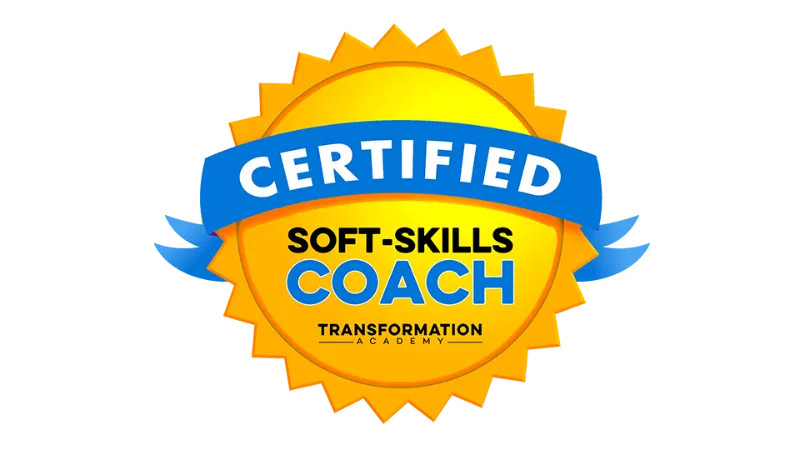
Most programs also layer in foundational skills like active listening, powerful questioning, and session structuring. Many courses add modules on emotional intelligence training and soft skills training so you can read client emotions and adapt your approach in real time.
What Does a Life Coach Do? offers a detailed breakdown of the role, which ranges from accountability partner to strategy consultant depending on the client’s needs.
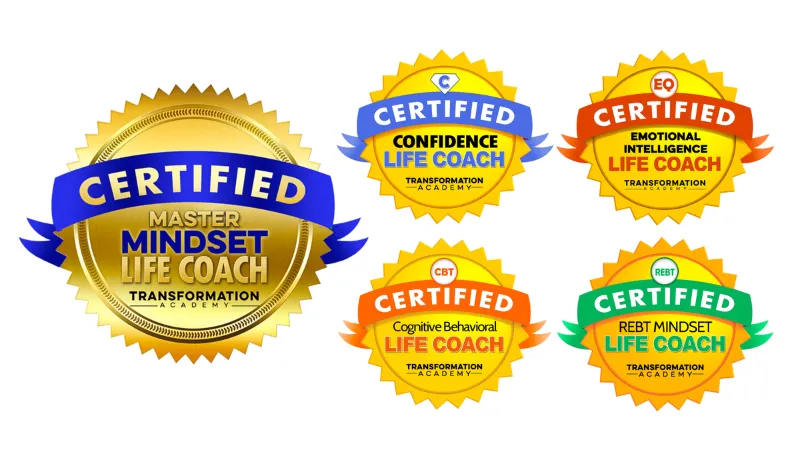
Programs from Transformation Academy often bundle multiple specializations. Check the latest pricing and grab our code to see which packages include life coaching foundations alongside niche tracks.
How Mindset Coaching Certifications Differ
Mindset coaching certifications dig deeper into the mental and emotional patterns that block progress. A mindset coach training focuses on cognitive reframing, subconscious reprogramming, visualization techniques, and identity-level shifts. You’ll spend more time on belief audits, self-sabotage patterns, and inner-dialogue work than on external goal planning.
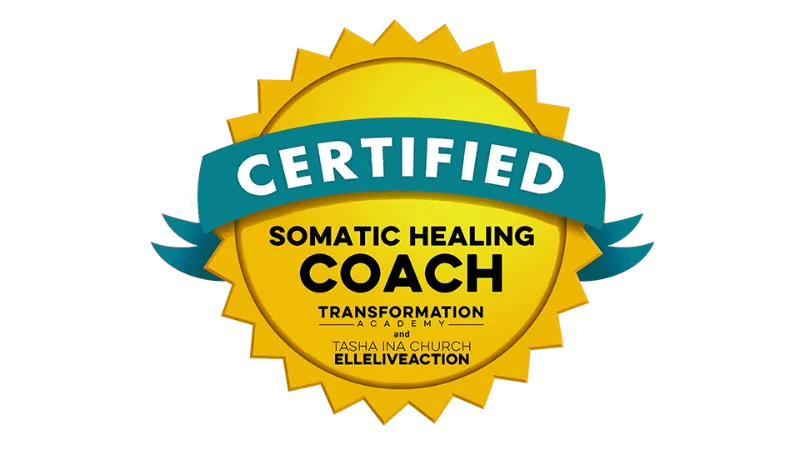
Many mindset programs pull from nlp training, cognitive behavior therapy training, and psychology class content to give you evidence-based tools for rewiring thought loops. Some courses also weave in somatic coaching techniques that connect body sensations to mental states.
Clients seek mindset coaches when they feel stuck despite knowing what they *should* do. They need help with imposter syndrome, perfectionism, fear of failure, or money mindset blocks rather than a step-by-step action plan.
Which Certification Matches Your Coaching Style
Your natural coaching style points you toward the right certification. If you love brainstorming strategies, setting milestones, and celebrating wins, life coaching fits. If you’re drawn to exploring why someone keeps repeating the same pattern or what story they tell themselves about their worth, mindset coaching is your lane.
Consider these questions:
- Do you prefer working on specific goals or underlying beliefs?
- Are you more excited by action plans or inner transformation?
- Do your conversations naturally go tactical or psychological?
- Would you rather help someone land a promotion or overcome the fear holding them back from applying?
Many practitioners blend both. A coach and life certification gives you the breadth, then you can add a mindset coach or cbt certification later to deepen one skill set. Transformation Academy offers bundles that let you explore both tracks at a discount.
Curriculum Comparison: What You’ll Actually Learn
Here’s how the core content stacks up across both certification types:
| Topic | Life Coaching | Mindset Coaching |
|---|---|---|
| Goal setting & action plans | ✓✓✓ Core focus | ✓ Brief overview |
| Limiting beliefs & reframing | ✓ Introductory | ✓✓✓ Deep dive |
| Accountability systems | ✓✓✓ Weekly check-ins | ✓ Self-accountability |
| Subconscious reprogramming | ✓ Intro to visualization | ✓✓✓ NLP, hypnosis, somatic |
| Career & relationship strategy | ✓✓✓ Multiple life areas | ✓ Through mindset lens |
| Cognitive & emotional tools | ✓✓ EQ basics | ✓✓✓ CBT, thought records |
Life coaching certifications typically require 60 to 125 hours of training, while mindset programs range from 40 to 100 hours depending on how many modalities they include. Best online courses for personal growth often combine elements of both for students who want a hybrid foundation.
If you’re also interested in wellness niches, a nutrition coach certification or spiritual coach program can stack well with either base certification.
Who Hires Each Type of Coach
Life coaching clients usually come to you with a concrete goal: launch a business, find a partner, get promoted, improve work-life balance. They want accountability, strategy, and someone to help them navigate decision points. You might work with mid-career professionals, entrepreneurs, parents returning to work, or anyone facing a big transition.
Mindset coaching clients often have the goal but can’t seem to execute. They procrastinate, self-sabotage, or hit the same ceiling repeatedly. They need someone to unpack the fear, rewrite the internal narrative, and shift their identity before the action steps will stick. You’ll attract high achievers dealing with imposter syndrome, creatives battling perfectionism, or people stuck in scarcity thinking.
Some coaches find their niche by combining both. For example, you might offer life coaching sessions with mindset deep-dives when a client hits a block. Emotional intelligence training strengthens both approaches by helping you recognize when to pivot from strategy to inner work.
Cost, Time, and Flexibility
Life coaching certifications generally cost between $500 and $3,000 depending on accreditation and curriculum depth. Mindset coaching programs run $400 to $2,500, with advanced tracks that include cognitive behavior therapy training or nlp training at the higher end.
Most online programs let you complete coursework in 8 to 16 weeks at your own pace. Transformation Academy structures courses as self-paced video modules with downloadable workbooks and practice client scripts. Grab our exclusive code for 60% off sitewide, which drops most certifications well under $1,000.
Accreditation matters if you plan to join directories like The Life Coach School or Coachlife: Home, though many successful coaches build thriving practices without formal accreditation by focusing on results and testimonials.
How to Decide and Get Started
Start by auditing your own interests and the conversations you already have. If friends come to you for advice on decisions and next steps, life coaching is a natural extension. If they unpack their fears and mental blocks with you, mindset coaching fits better.
You can also test the waters by taking a shorter psychology class or soft skills training module before committing to a full certification. Many programs offer money-back guarantees within the first 30 days.
Whichever path you choose, focus on practicing with real clients as early as possible. Offer free or low-cost sessions to build your toolkit, gather testimonials, and discover what energizes you most. Your certification gives you the framework, but your client work reveals your true coaching style and the niche where you’ll thrive.
Questions
What is the main difference between life coaching and mindset coaching?
Life coaching focuses on goals, action plans, and accountability across multiple life areas like career and relationships. Mindset coaching targets limiting beliefs, thought patterns, and subconscious blocks that prevent clients from taking action.
Can I get certified in both coach and life and mindset coaching?
Yes, many practitioners start with a life coaching certification for broad foundations, then add mindset coaching or specialized modalities like NLP or CBT. Some programs bundle both tracks at a discount.
How long does it take to complete a life coaching certification?
Most online life coaching certifications require 60 to 125 hours of coursework and can be completed in 8 to 16 weeks at a self-paced schedule. Mindset coaching programs typically run 40 to 100 hours depending on the depth of techniques covered.
Do I need accreditation to work as a life coach or mindset coach?
Accreditation is not legally required in most regions, but it helps you join coach directories and signals credibility to clients. Many successful coaches build practices through client results and testimonials without formal accreditation.
What kind of clients should I expect as a mindset coach?
Mindset coaching clients typically know what they want to achieve but feel blocked by fear, self-sabotage, imposter syndrome, or limiting beliefs. They need help shifting their internal narrative before they can execute action steps.
How much do life coaching and mindset coaching certifications cost?
Life coaching certifications range from $500 to $3,000, while mindset coaching programs cost $400 to $2,500. Transformation Academy offers both types with a current 60% discount, bringing most programs under $1,000.
Products in this guide

 Shopping at Transformation Academy? See the discount code
60% OFF Sitewide
Shopping at Transformation Academy? See the discount code
60% OFF Sitewide
More in this series
 Can You Become a Nutrition Coach Without a Health Background?7 Aug 20264 minBest Personal Development Courses for Career Changers7 Aug 20265 minWhat’s the Difference Between Somatic Coaching and Traditional Life Coaching?7 Aug 20265 minTransformation Academy Review: Are Their NLP Training and EQ Programs Worth It?7 Aug 20266 minDo You Need a Psychology Degree to Get CBT Certification?7 Aug 20265 min