 A Watches of America guide
Casio vs Seiko: Which Brand Makes More Durable Everyday Watches?
Seiko watches typically edge out Casio in long-term durability for everyday wear, though both brands deliver exceptional reliability at their respective price points.
Seiko and Casio both build genuinely durable everyday watches, but they get there in different ways. Seiko generally favors refined materials and repairable mechanical movements, while Casio leans on rugged, low-maintenance quartz construction built to shrug off knocks. Which brand suits you better depends more on how you treat a watch day to day than on which one is objectively tougher.
Build quality and materials: Seiko watches vs Casio
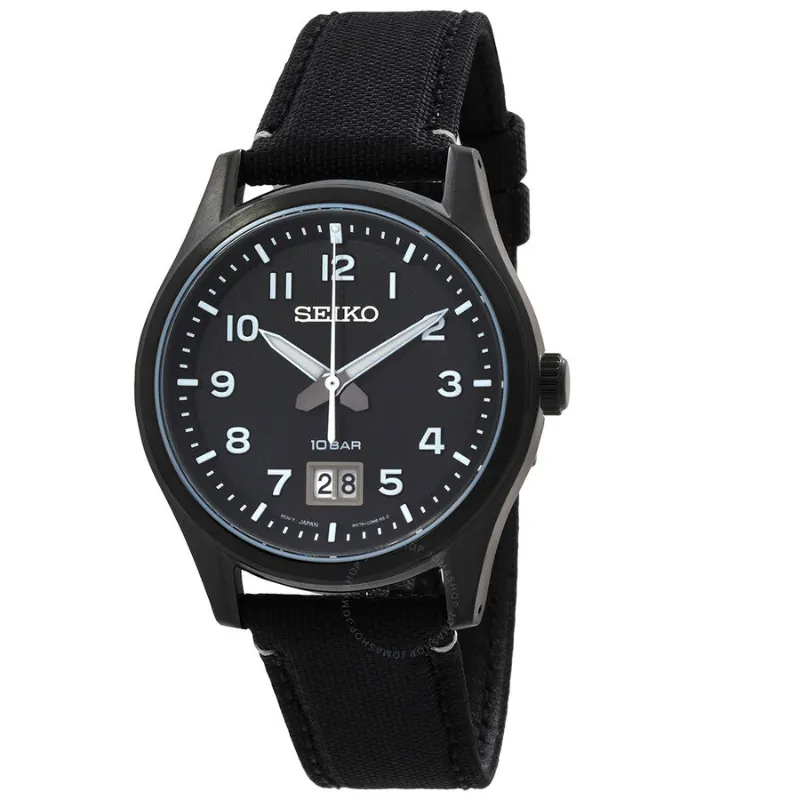
The construction philosophy differs quite a bit between these two Japanese brands. Seiko watches tend to favor stainless steel cases, sapphire or Hardlex crystal, and fairly refined finishing even in affordable models. Their automatic movements use metal components designed to run for years with proper maintenance.
Casio watch models more often use resin cases, mineral crystal and quartz movements built around impact resistance and battery efficiency. The G-Shock line takes this further with multi-layer shock protection designed to handle drops and vibration that would damage most mechanical watches.
Typical materials by brand:
- Seiko: stainless steel cases, Hardlex or sapphire crystal, automatic and quartz movements, water resistance commonly ranging from 50m to 200m
- Casio: resin and stainless steel cases, mineral crystal often set behind a protective bezel, quartz movements, water resistance similarly ranging from 50m to 200m depending on the model
Both brands manufacture largely in Japan and maintain fairly strict quality control. Grand Seiko represents the high end of Seiko’s craftsmanship, while Casio’s Oceanus line is its answer with higher-grade materials.
Movement durability and accuracy
Seiko’s in-house automatic movements have a strong reputation for reliability. Calibers like the 7S26, 4R36 and 6R35 power everything from entry-level to mid-range seiko watches automatic models. Mechanical movements like these generally need servicing every 5 to 7 years but can run for a long time with that care, with typical accuracy in the range of plus 45 to minus 35 seconds a day for standard automatics, improving in higher grades.
Casio’s quartz movements need less upkeep and are typically more accurate day to day, often within about 15 seconds a month. A battery replacement every few years covers most of the maintenance, and Tough Solar models remove even that step through solar charging.
The tradeoff is longevity against convenience. A well-maintained Seiko automatic can outlast several quartz modules but asks for more manual attention along the way. Casio quartz asks for almost nothing until the movement eventually wears out, often after well over a decade of daily wear.
Shock and impact resistance
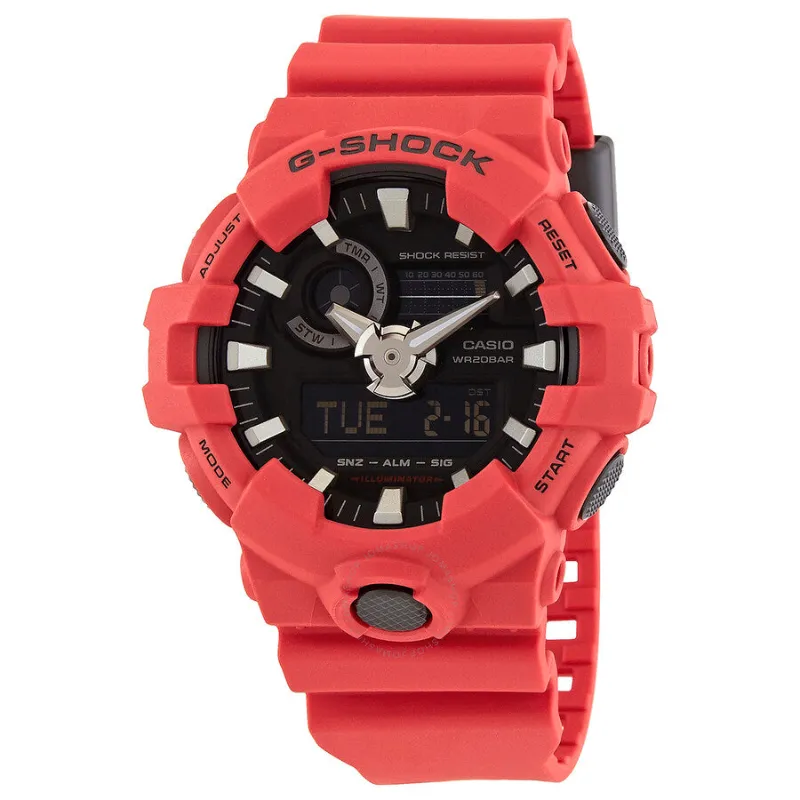
Casio generally leads on impact resistance thanks to purpose-built shock absorption. G-Shock models suspend the movement in a cushioning material inside a hollow case structure, which is designed to handle drops and sustained vibration that would rattle a standard watch.
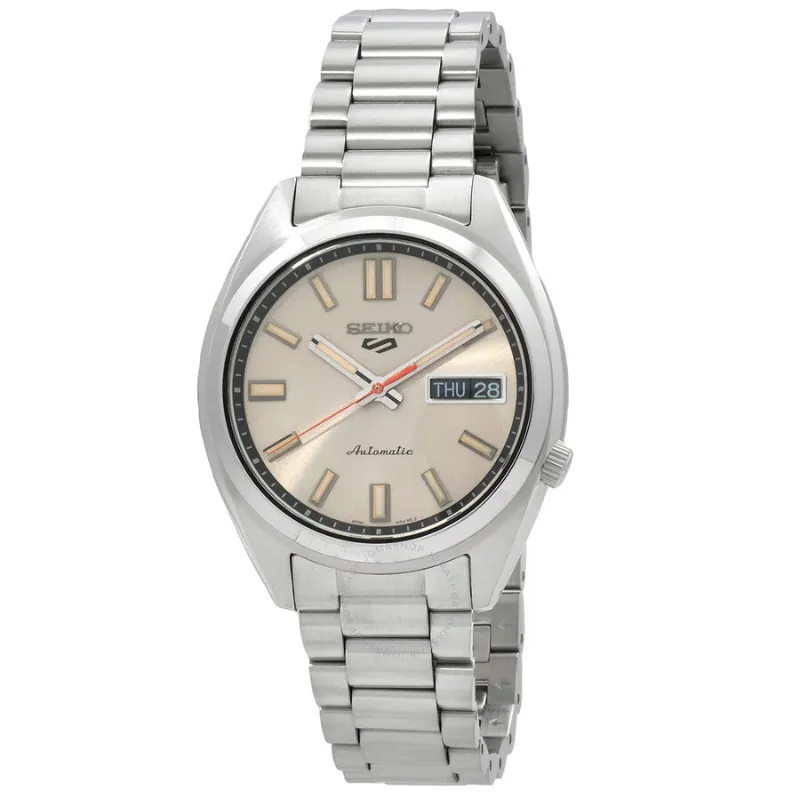
Standard seiko watches for men handle normal daily bumps fine but do not have dedicated shock protection built in, so a hard drop onto a hard surface carries more risk to the balance wheel or crystal. Seiko’s Prospex sport watch line adds reinforced cases and shock-resistance ratings that close some of the gap for active wear, without quite matching G-Shock’s extreme tolerance.
For office work, commuting and general daily activity, either brand handles incidental bumps without much issue. For construction, outdoor work or high-impact sport, Casio’s engineering advantage becomes more meaningful.
Water resistance in practice
Both brands offer dependable water resistance when properly maintained. Seiko relies on screw-down crowns and case-back gaskets, while Casio’s resin cases keep the number of potential entry points low.
| Rating | Typical use |
|---|---|
| 50m | Splashes, rain, brief accidental immersion |
| 100m | Swimming and snorkeling |
| 200m+ | Recreational diving and water sports |
Gasket wear over time affects both brands equally, so periodic pressure testing and gasket replacement every couple of years is worth doing regardless of manufacturer. Check the current Watches of America discount code and ask about service recommendations when you buy either brand.
Crystal scratch resistance
Seiko’s Hardlex crystal sits between mineral glass and sapphire in hardness, which resists everyday scratches reasonably well while keeping the price down. Higher-end Seiko models use sapphire crystal, which only diamond or corundum can scratch.
Casio’s mineral crystal scratches more easily but is cheaper to replace, and many models position it below a protective bezel that takes the impact first. In practice, day-to-day scratch resistance ends up fairly similar between the brands once you account for these design differences. For the most scratch resistance, Seiko’s Prospex and Presage lines with sapphire crystal generally outperform a Casio at a similar price point.
Long-term ownership and what to choose
Total cost of ownership looks different for each brand. A Seiko automatic typically needs servicing every 5 to 7 years, in the range of $150 to $300 each time, plus occasional part replacement. In return, it retains resale value reasonably well and can generally be repaired as long as parts remain available.
A Casio quartz mainly needs a battery replacement every so often, at around $10 to $20 each time, with little other maintenance. If the movement eventually fails after many years, replacement cost can exceed the watch’s value, which makes repair less worthwhile for most models. Resale value tends to drop faster, aside from collectible G-Shock variants.
- Choose Seiko for a more traditional, repairable watch with refined details
- Choose Casio for maximum toughness, low maintenance and a lower starting price
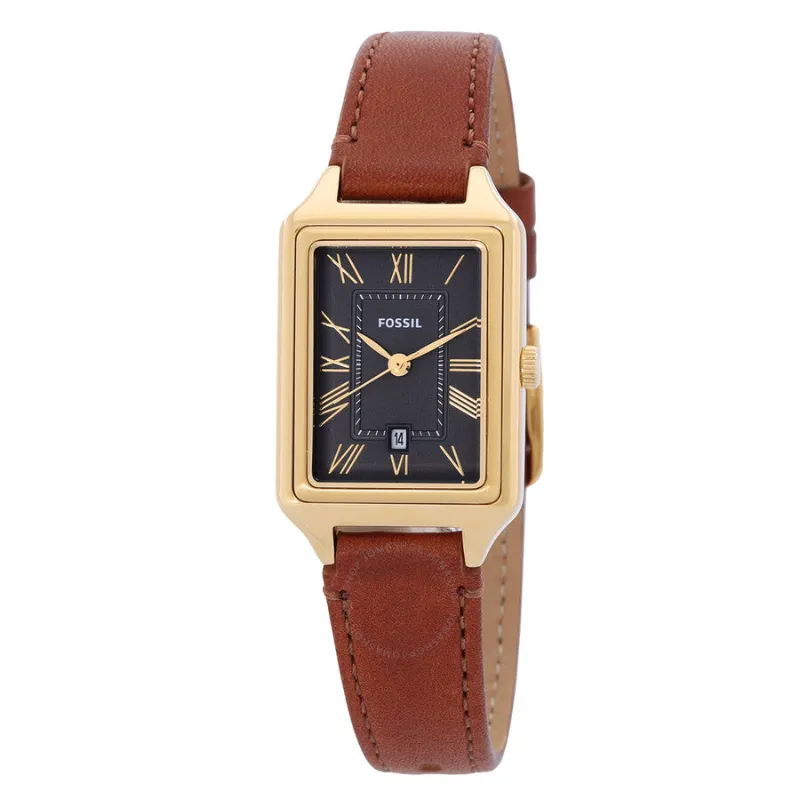
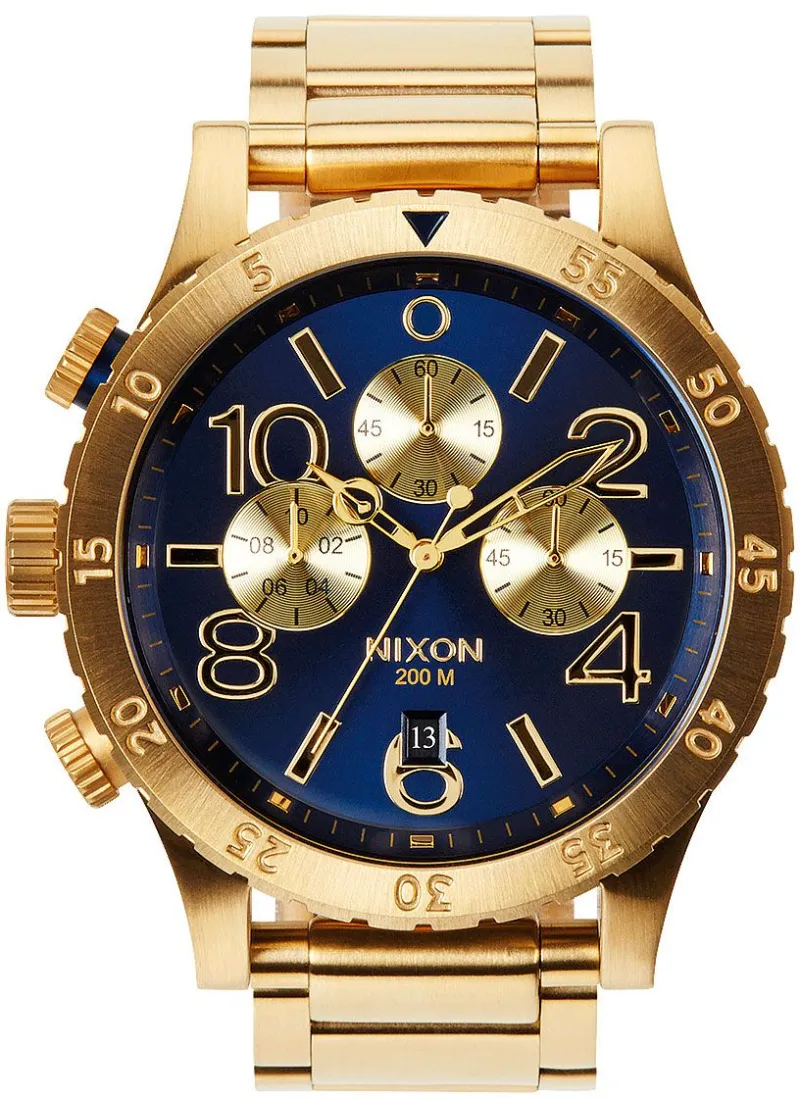
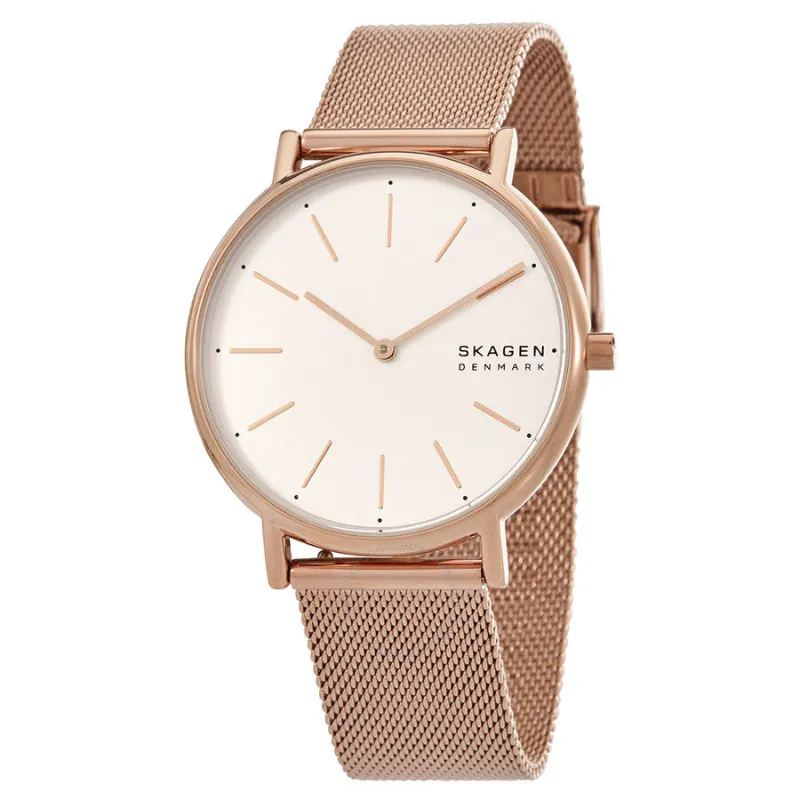
- Consider fossil watches, nixon watch or skagen watch models if you want a middle ground with a more fashion-forward look
For office work and daily commuting, seiko watches for men offer a more refined look with plenty of durability for the job. For active lifestyles, outdoor work or rougher use, Casio’s shock resistance and low-maintenance operation are the more practical choice. Check the current price at Watches of America before you decide, and browse Seiko Watch of America if you want to see their full catalog.
Both brands have earned solid reputations over decades of everyday use. The most durable watch, in practice, is usually the one that fits your routine well enough that you actually wear it.
Questions
Are Seiko watches more reliable than Casio for everyday wear?
Both brands are generally reliable for daily use. Seiko automatics need periodic servicing but can run for a long time with that care, while Casio quartz models need very little maintenance and tend to keep more consistent time day to day.
Which brand handles accidental drops better?
Casio, especially G-Shock models, tends to outperform Seiko on impact resistance thanks to dedicated shock-absorbing case designs. Standard Seiko watches handle normal bumps fine but are more vulnerable to a hard drop onto concrete or tile.
Do Seiko or Casio watches scratch more easily?
Seiko's Hardlex and sapphire crystals generally resist scratches better than Casio's mineral glass. Casio often offsets this by setting the crystal below a protective bezel that takes the impact first.
How much does it cost to maintain each brand over time?
A Seiko automatic typically needs servicing every 5 to 7 years, often $150 to $300 per service. A Casio quartz mainly needs battery replacements, usually $10 to $20 each, every couple of years.
Can both brands handle swimming and water sports?
Yes, models rated 100m or higher from either brand generally handle swimming and snorkeling well. Ratings of 200m or more support recreational diving and water sports as long as gaskets are properly maintained.
Which brand holds resale value better?
Seiko automatics tend to hold resale value better than most Casio models, though certain collectible G-Shock variants are an exception. Seiko's repairable construction and brand reputation both help here.
Products in this guide
 Shopping at Watches of America? See the discount code
10% OFF All Orders
Shopping at Watches of America? See the discount code
10% OFF All Orders
More in this series
 How Long Do Timex Automatic Watches Last with Regular Use?15 Aug 20264 min
 What to Look for When Buying Your First Gold Dress Watch15 Aug 20264 minDo Stuhrling Original Watches Hold Up to Daily Wear?15 Aug 20264 minHow to Set and Maintain Your Seiko Quartz Watch15 Aug 20266 min
 Seiko 5 Sports vs Timex Marlin: Which Automatic Watch Offers Better Value?15 Aug 20264 min