 A Nebility guide
How to Care for Nebility Compression Shirts to Keep the Moisture Wicking Working
Proper care keeps moisture wicking compression shirts performing at their peak by preserving the synthetic fibers that pull sweat away from your skin.
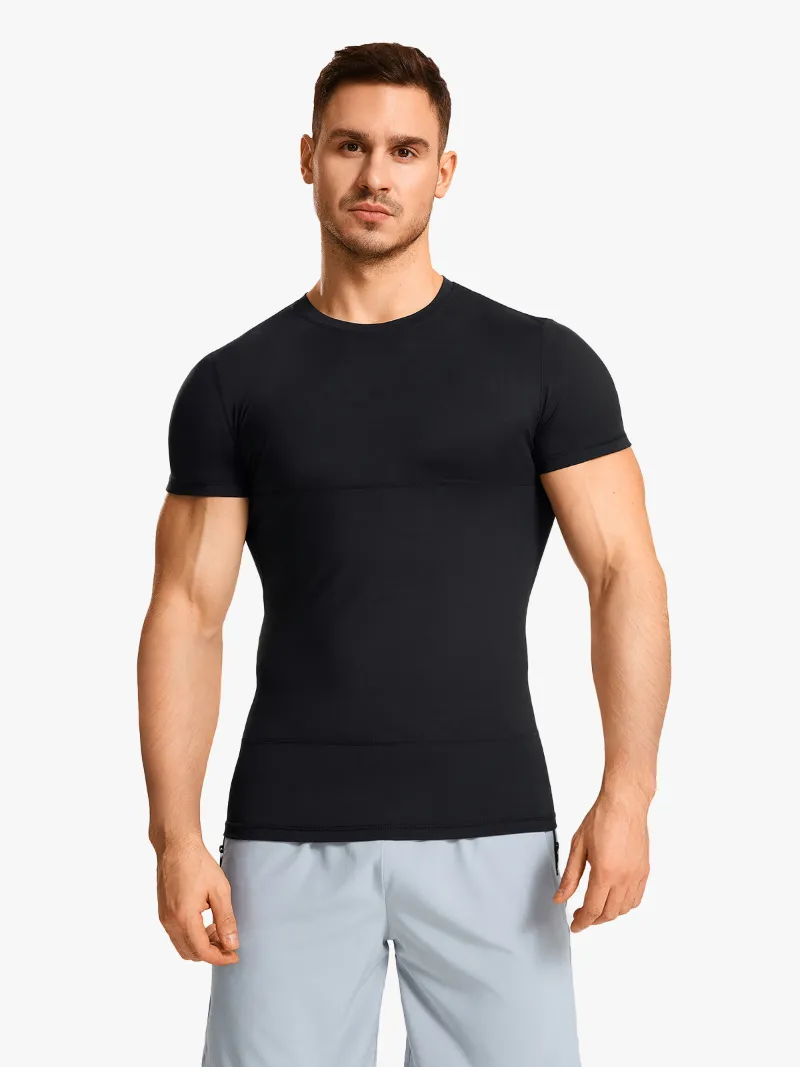
Moisture wicking compression shirts stop working when you wash them wrong. The synthetic fibers that pull sweat away from your skin break down with heat, harsh detergents, and fabric softener, so proper care directly extends how long your moisture wicking compression shirts and mens shapewear stay effective. You can find the current code on our Nebility coupon code page.
Whether you own a compression tank top for the gym or a seamless bodysuit for all-day wear, these care methods work across the range. Always check the care label on your garment first, since it takes priority over general advice.
Why Moisture Wicking Fabric Needs Special Care
Compression garments blend spandex, nylon, and polyester to create a tight, breathable fabric that moves sweat to the surface where it evaporates. High heat damages spandex fibers and ruins elasticity. Fabric softener coats the synthetic weave and blocks moisture transfer, turning your compression shirt into a sweat trap.
What ruins moisture wicking:
- High dryer heat
- Liquid fabric softener or dryer sheets
- Chlorine bleach
- Detergents with added moisturizers or optical brighteners
How to Wash Nebility Compression Shirts
Wash in cold water and follow these steps, unless the care label says otherwise:
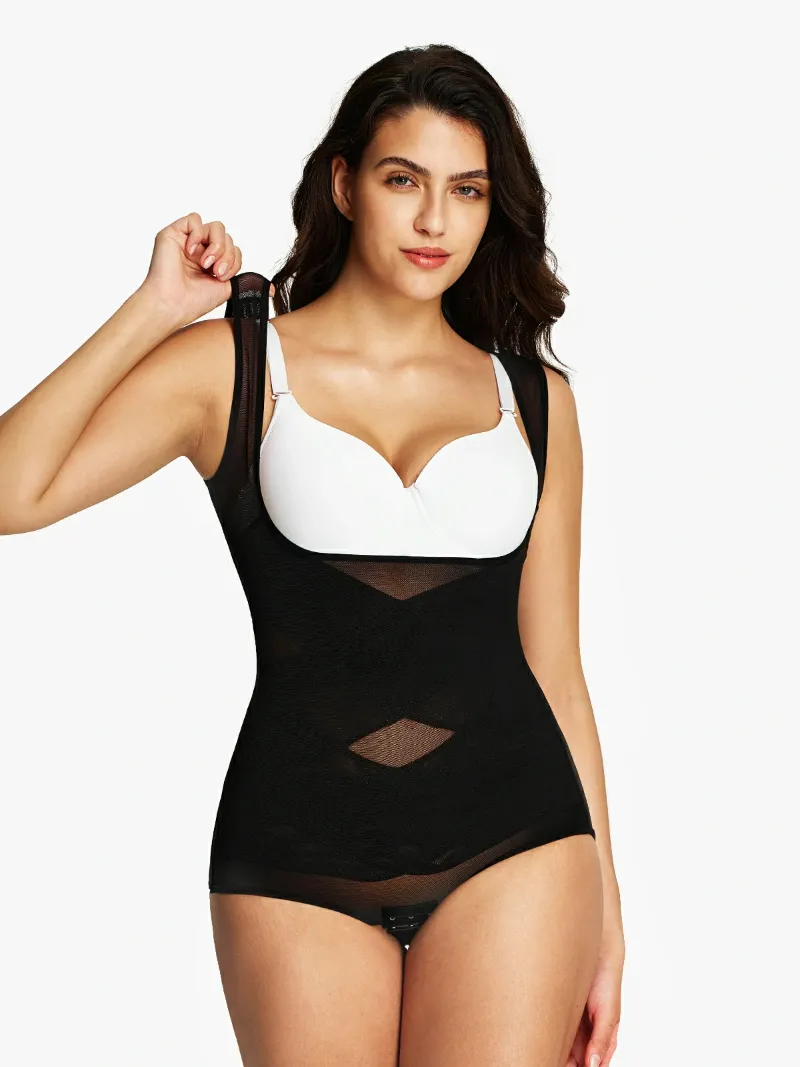
- Turn garments inside out to protect the outer finish
- Use a mesh laundry bag for body suits for women and anything with closures
- Select cold water and the delicate or permanent-press cycle
- Add a capful of mild liquid detergent designed for activewear
- Skip the fabric softener entirely
- Run an extra rinse if your washer has the option
Machine settings that work:
- Water temperature: cold
- Spin speed: medium or low
- Load size: small to medium (compression fabric needs room to move)
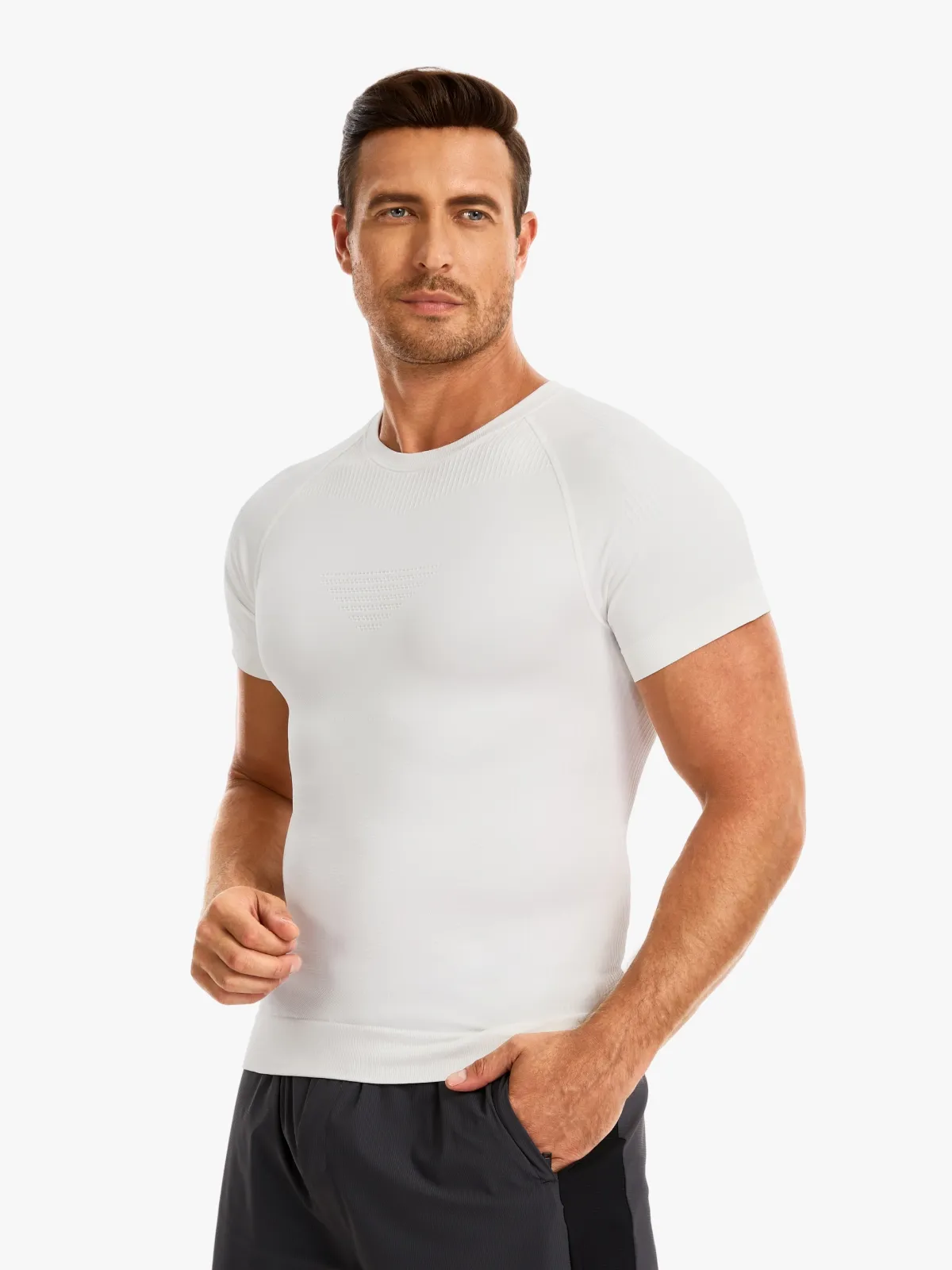
For nebility mens compression shirts worn during intense workouts, pre-treat sweat stains by soaking the garment in cold water with a little white vinegar before washing, if the care label allows it.
Drying Methods That Preserve Compression and Wicking
Air dry compression garments rather than using heat.
Drying steps:
- Lay flat on a clean towel for bodysuits and shapewear
- Hang by the hem for compression tank tops and shirts
- Keep out of direct sunlight (UV degrades spandex over time)
- Avoid radiators, heating vents, or anything above room temperature
If you absolutely must use a dryer, choose the air-fluff or no-heat tumble setting. Heat can shrink compression fabric and weaken the elastic recovery that gives a slimming compression shirt its snug fit.
How Often to Wash Compression Shirts
Wash after every wear if you sweat heavily during workouts or wear the garment against bare skin all day. Bacteria and body oils build up in synthetic fabric, and that buildup blocks the moisture wicking channels.
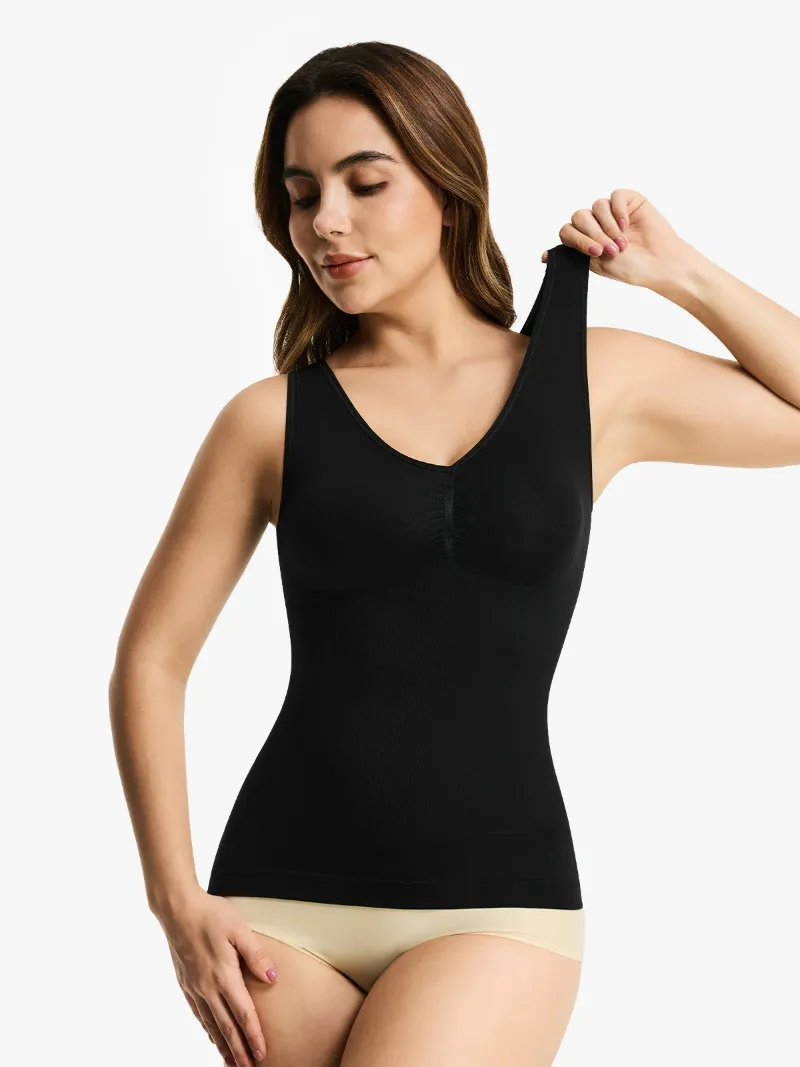
For light-wear pieces like a plunge tank or bra bodysuit worn as a layering piece, you may not need to wash after every wear, as long as you air them out completely after each use.
Signs your compression shirt needs washing:
- Visible sweat stains or discoloration
- Odor that doesn’t disappear after airing out
- Fabric feels stiff or tacky instead of smooth
- Reduced stretch or compression during wear
Rotate through more than one compression piece so each one can fully dry and recover its shape between wears.
Storage Tips to Extend Compression Shirt Lifespan
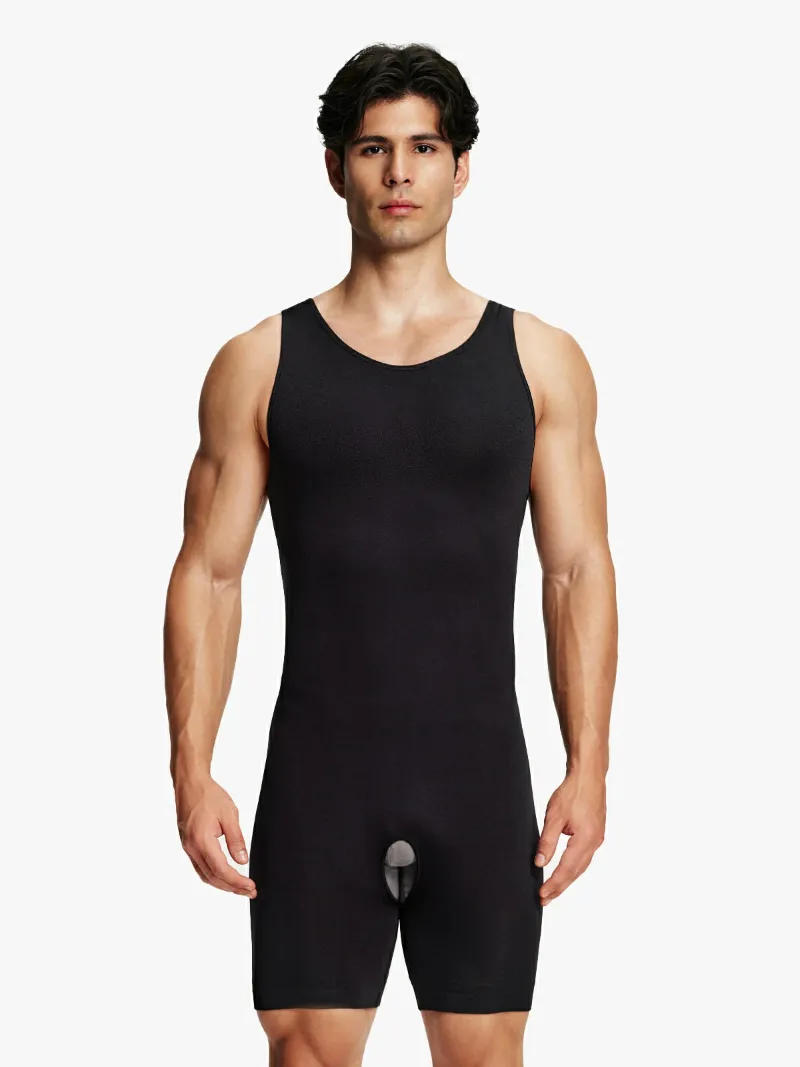
Fold compression garments loosely or roll them instead of hanging long-term. Hanging stretches the shoulders and waistband, especially on full bodysuit body styles. Store in a drawer or on a shelf away from heat sources and direct sunlight.
Storage mistakes to avoid:
- Cramming garments into tight spaces (crushes the fabric)
- Storing while still damp (breeds mildew and odor)
- Leaving in a gym bag for days (bacteria growth)
- Folding with sharp creases (weakens fibers along the fold line)
If you own compression shirt long sleeve styles or full-body shapewear, give each piece its own space. Compression fabric recovers better when it’s not under constant pressure.
When to Replace Your Moisture Wicking Compression Shirts
Even with perfect care, compression garments eventually wear out. Replace yours when you notice permanent bagging at the elbows or waist, visible thinning in high-friction areas, or a loss of that snug, supportive fit.
How long that takes depends on how often you wear and wash the piece. Once it is worn out, it won’t deliver the smoothing you bought it for.
Replacement indicators:
- Fabric no longer springs back after stretching
- Seams are fraying or separating
- Color has faded to a dull, washed-out tone
- You can see through the fabric when stretched
If you want to try several styles, Nebility’s mystery boxes contain styles chosen for you at a set box price, though you won’t control which specific styles or colors you receive.
Questions
Can I use fabric softener on moisture wicking compression shirts?
No, fabric softener coats the synthetic fibers and blocks moisture transfer, which destroys the wicking function. Skip softener entirely and use a sport-specific detergent instead.
How do I get the sweat smell out of compression shirts?
If the care label allows it, soak the garment in cold water with a little white vinegar before washing, then run it through a cold cycle with activewear detergent and an extra rinse. Air dry completely to prevent odor from setting in.
Can compression shirts go in the dryer?
Only on the air-fluff or no-heat setting. High heat can damage spandex and ruin the elastic compression that makes the garment work. Air drying is always safer.
How long do Nebility compression shirts last with regular washing?
Nebility does not publish a lifespan, and it depends on how often you wear and wash them. Cold-water washing and air drying help. Replace a piece when it no longer springs back, the seams fray, or it loses its snug fit.
Should I wash compression shirts after every workout?
Yes, wash after every wear when you sweat heavily or wear the shirt against bare skin. Bacteria and body oils build up quickly in synthetic fabric and block the moisture wicking channels.
What water temperature is best for washing compression tank tops?
Cold water preserves the synthetic fiber structure and elastic recovery better than warm or hot water. Use a cold setting unless the care label says otherwise.
Products in this guide
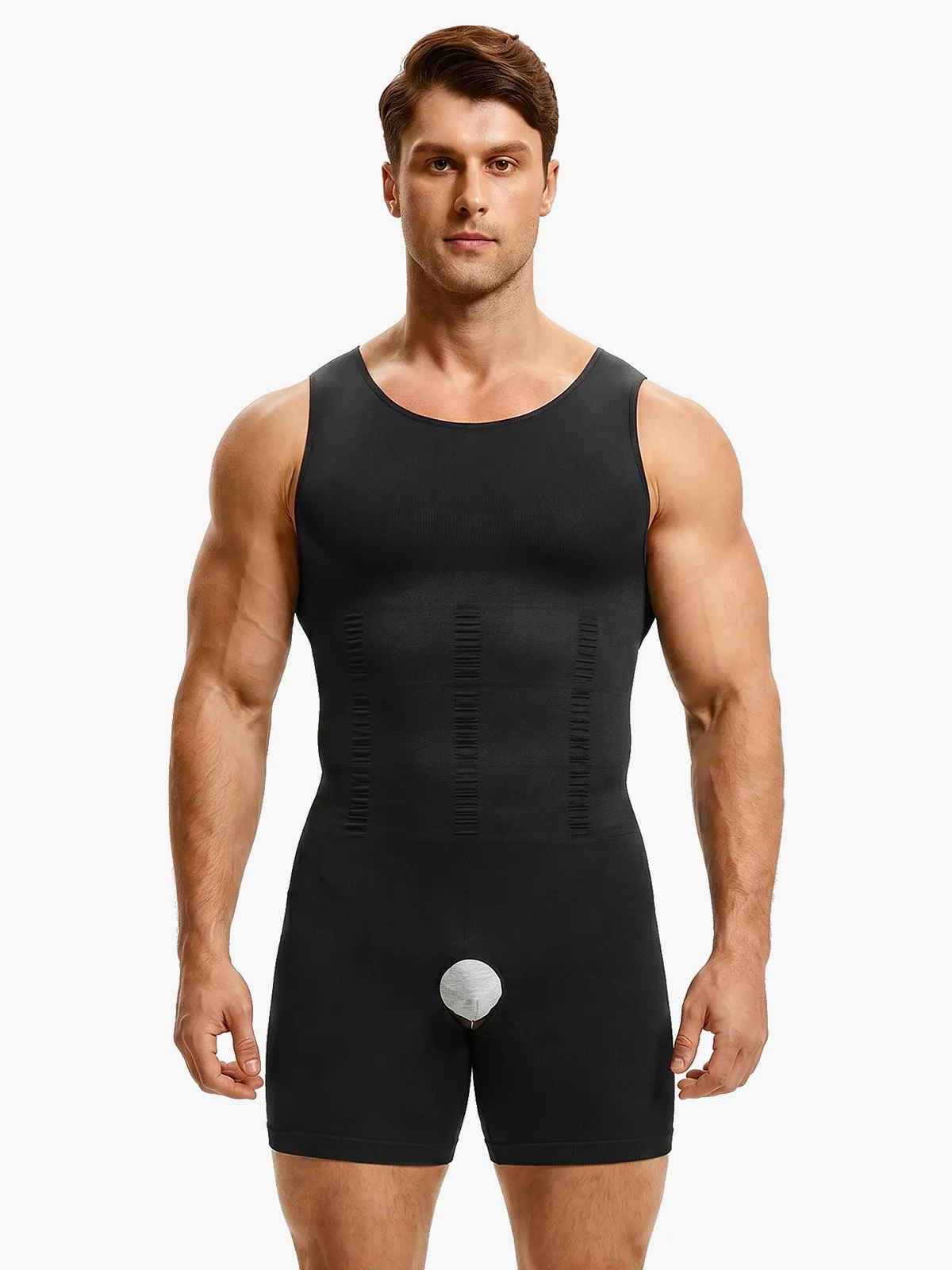
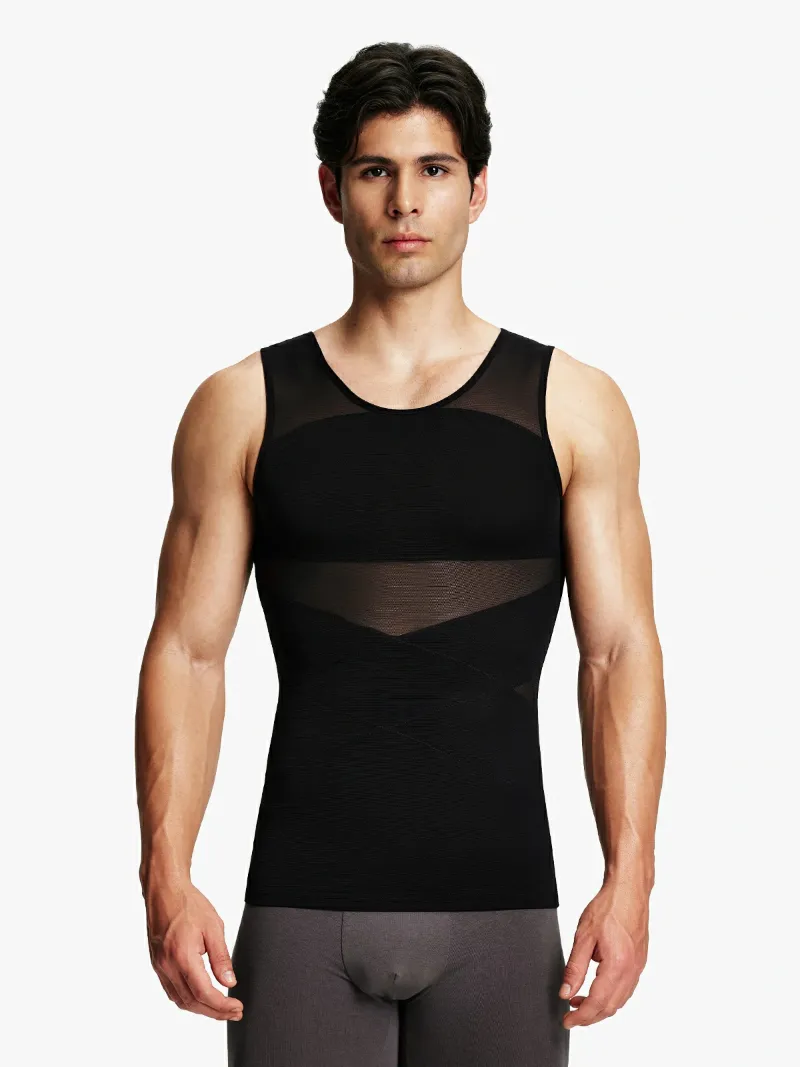
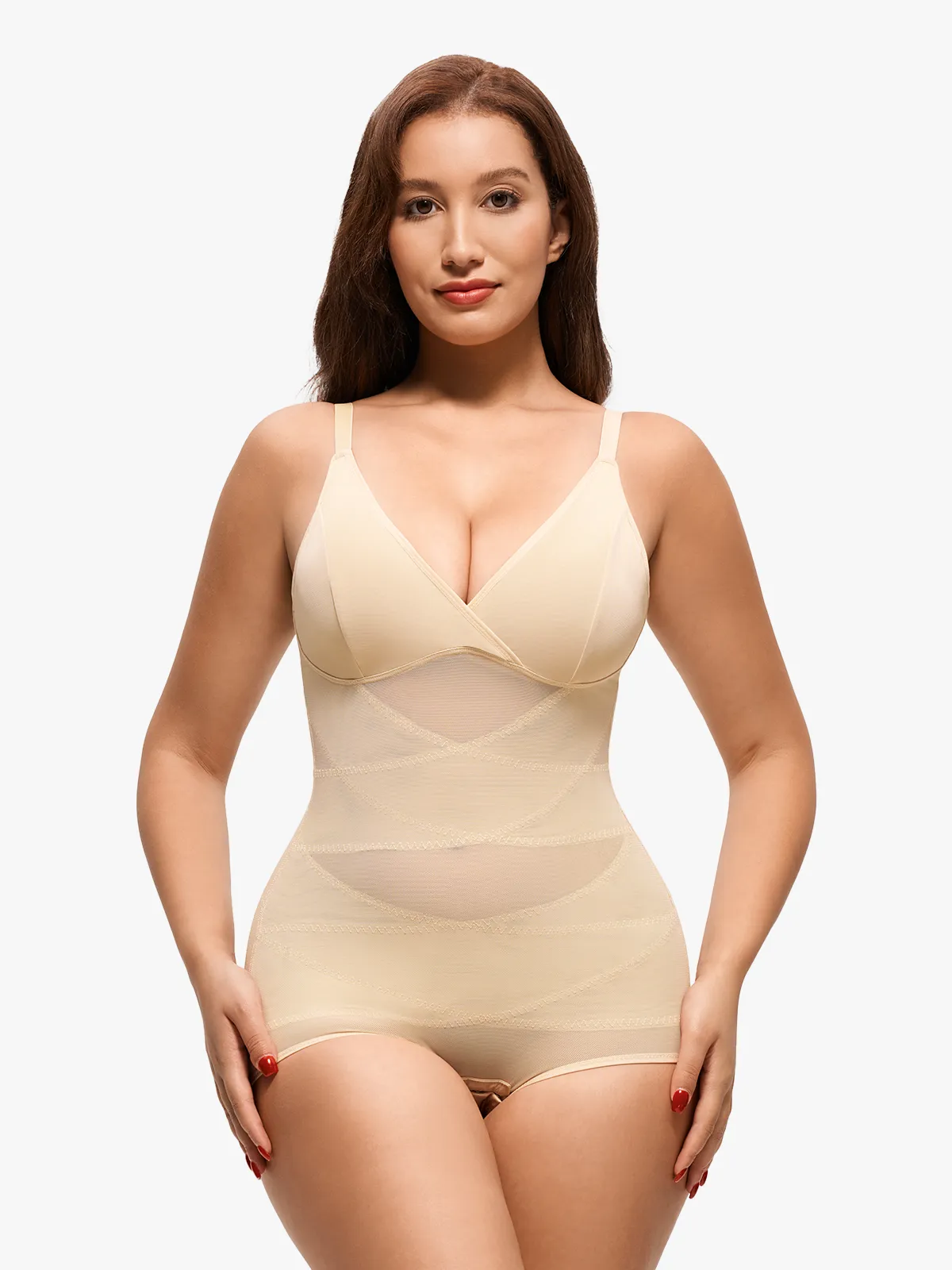 Shopping at Nebility? See the coupon code
15% OFF Sitewide