 A Abingdon Co guide
Canvas Jackets vs. Canvas Coats: Which Abingdon Co. Layer Should You Choose?
A canvas jacket and canvas coat serve different purposes, so knowing the key differences helps you choose the right Abingdon Co. piece for your wardrobe.
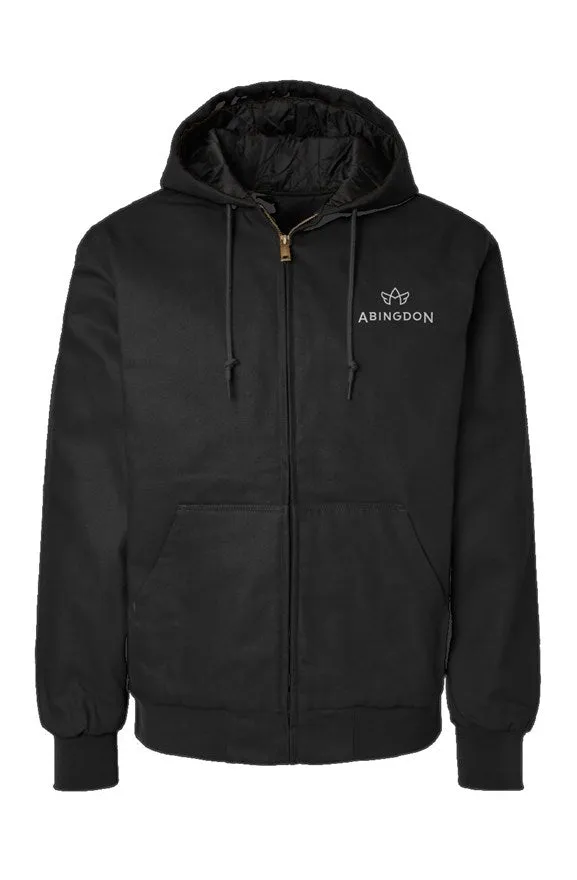
A canvas jacket and a canvas coat might seem interchangeable at first glance, but each offers distinct benefits depending on your climate, activity level, and style.
Canvas Jacket vs. Canvas Coat: The Core Differences
The main distinction lies in coverage and weight. A canvas jacket typically hits at the hip or waist, offering targeted upper-body protection without the bulk of a full-length garment. A canvas coat extends past the hip, often down to mid-thigh or lower, providing maximum coverage and insulation for colder weather or layering versatility.
Canvas jackets work best for mild to moderate temperatures, active outdoor pursuits, and everyday wear. Canvas coats excel in cold climates, sedentary outdoor activities like watching events, and situations where you want a polished, tailored silhouette. Both styles harness the durability of heavy-duty canvas fabric, which resists tears and weather far better than cotton blends or synthetics.
Why Canvas Jacket Construction Matters
A well-made canvas jacket relies on tight weave density, reinforced seams, and quality hardware. Abingdon Co. constructs their canvas jacket with attention to stress points: pocket reinforcement, button placement, and zipper anchors all influence longevity. Thicker canvas (12-16 oz) resists punctures and wind better than lighter varieties, though it requires a break-in period.
The canvas jacket is ideal for:
- Commuting and urban walking
- Hiking and trail work in mild weather
- Farm or ranch tasks where mobility matters
- Layering over sweaters in spring and fall
Canvas breaks in with wear, developing a patina that reflects your lifestyle. Many owners find this aging process part of the appeal, as creases and fading create a personalized look over time.
Canvas Coat Features for Winter Protection
A canvas coat adds length for hip and thigh coverage, making it better suited for stationary outdoor time or colder climates. The extra fabric creates more insulation pockets and allows for heavier lining options. Canvas coats typically feature deeper pockets, longer sleeves with cuff adjustments, and sometimes drawstring hems to seal out wind.
Canvas coat styles range from casual to structured. Abingdon Co. offers options that bridge workwear and everyday fashion, so you can wear the same coat to a job site or a casual dinner. The canvas coat’s weight (often 2-3 pounds) demands confidence, but wearers report it feels like an investment piece rather than a burden.
The canvas coat suits:
- Cold-weather commuting and outdoor work
- Outdoor events where you’ll stand for hours
- Layering over bulky insulation in sub-freezing temps
- Professional or semi-formal casual settings
Fit, Sizing, and Canvas Jacket Comfort
Canvas fabric loosens slightly over the first few weeks of wear, so sizing snug initially is common practice. A properly fitting canvas jacket should sit about 1-2 inches away from your body when buttoned, allowing room for a fleece or shirt underneath. Sleeve length matters too: aim for the jacket cuff to sit just below your wrist bone so it doesn’t ride up during movement.
Canvas coats require the same clearance but give you more flexibility in layering depth. If you plan to wear a heavy winter parka underneath, size up a half-size in a canvas coat. Abingdon Co. provides detailed sizing charts, and we recommend measuring a favorite jacket and comparing before ordering.
Material Quality: What Sets Canvas Apart
Canvas’s natural fiber composition breathes better than synthetic alternatives, making it comfortable across multiple seasons. The canvas jacket resists pilling, holds its shape through repeated washing, and often improves with age rather than deteriorating. Waxed or treated canvas adds water resistance without relying on plastic-based coatings that can flake or wear unevenly.
A Men’s Best Made Canvas Jacket represents the durability benchmark in the category. Canvas jackets made with single-ply weaves tend to soften faster but develop character quickly, while double-ply options take longer to break in but last decades with proper care.
Care and Longevity
Both canvas jackets and canvas coats benefit from spot cleaning rather than full machine washing. Brush out dried mud, wipe spills with a damp cloth, and reserve washing for when the piece truly needs it. Canvas ages beautifully with minimal intervention, so resist over-cleaning.
If washing is necessary, use cold water, mild detergent, and gentle cycles. Air dry away from direct heat or sunlight to prevent uneven fading. Grab the code to get 10% off Abingdon Co. canvas pieces, which offsets the cost of occasional professional cleaning if you prefer that approach.
Choosing Between Canvas Jacket and Canvas Coat
Pick a canvas jacket if you prioritize mobility, live in a mild to moderate climate, or want a versatile everyday layer. Choose a canvas coat if you endure long, cold winters, spend extended time outdoors in stationary activities, or want a statement piece that pairs with formal or business casual outfits.
Many wardrobe-focused buyers own both: a canvas jacket for spring and fall, a canvas coat for winter depth. Consider your climate’s coldest months and your typical outdoor time when deciding. If you’re between sizes or unsure about fit, check the latest price on Abingdon Co. to review their return policy before committing.
Complete Your Look
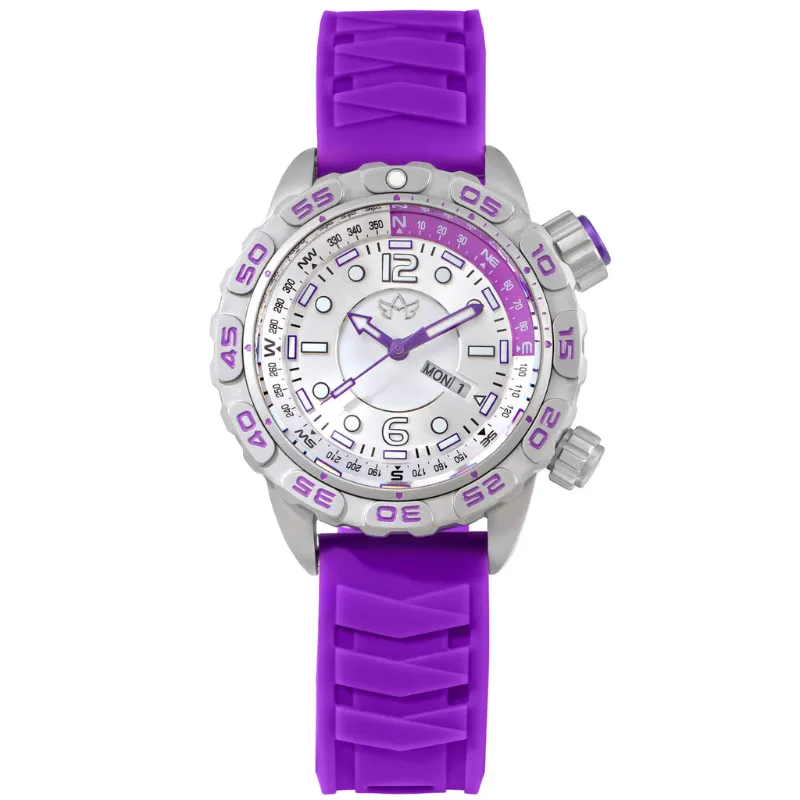
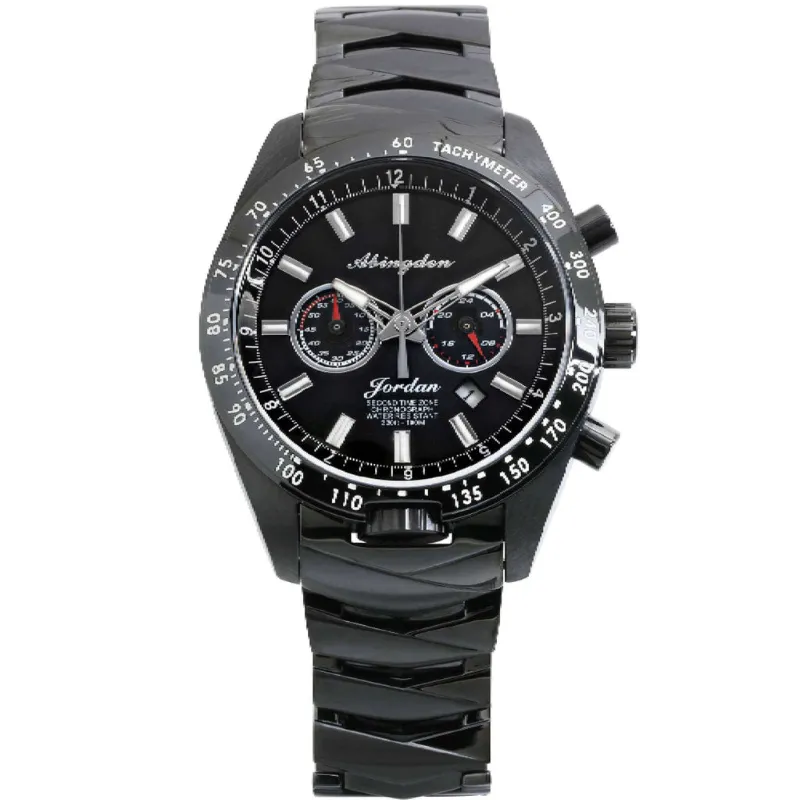
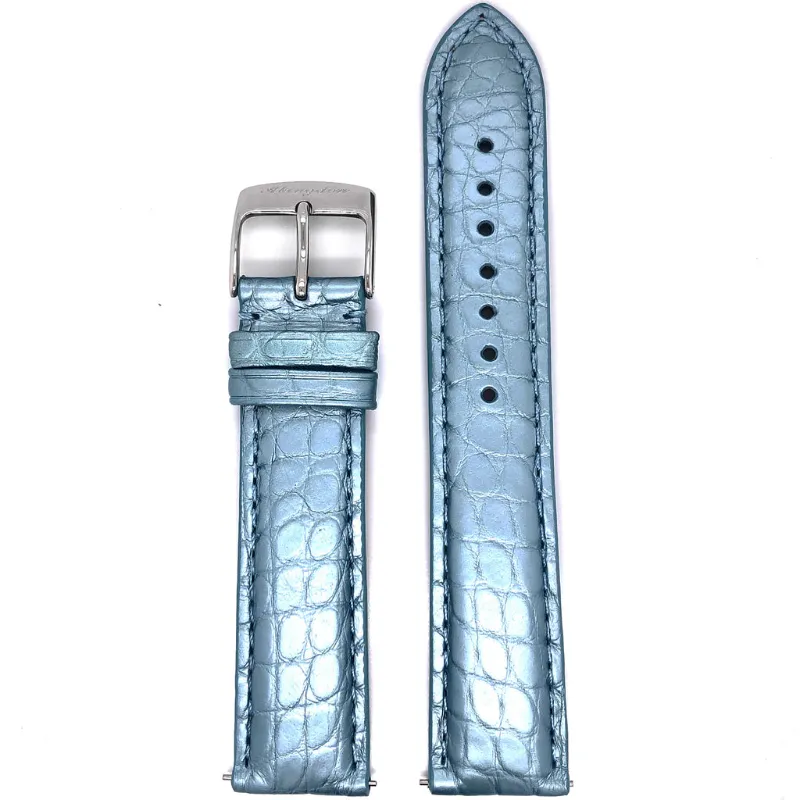
Once you’ve chosen your canvas jacket or coat, layer wisely. A nadia watch paired with canvas outerwear creates a cohesive outdoor aesthetic, while a jordan watch works equally well for casual or professional settings. For those who value details, a 20mm alligator watch strap complements canvas texture and durability.
Document your adventures with a watch a journal for jordan to track gear performance, weather conditions, and seasonal wear patterns. Understanding how your canvas jacket breaks in and ages enriches the ownership experience beyond mere functionality.
Questions
What's the difference between a canvas jacket and a canvas coat?
A canvas jacket typically ends at the hip or waist and works best for mild weather and active use, while a canvas coat extends past the hip for greater coverage and warmth in colder climates. Both are durable, but a coat provides more insulation and a longer silhouette.
Can I wear a canvas jacket year-round?
Yes, a canvas jacket is versatile across spring, summer, and fall. Layer it over a t-shirt in warm months or over a sweater in cooler seasons. In winter, it works as a mid-layer under a heavier coat, but a canvas coat is better for prolonged cold exposure.
How do I break in a new canvas jacket from Abingdon Co.?
Wear it regularly and expect some softening over 2-4 weeks as the fabric relaxes. Spot clean rather than full wash during this period, and avoid high heat sources. The break-in process creates personalized creasing and patina that reflects your lifestyle.
Is canvas jacket material waterproof?
Standard canvas is water-resistant but not fully waterproof. Treated or waxed canvas offers better protection, but heavy rain will eventually penetrate. For full waterproofing, layer a canvas jacket under a rain shell or choose a canvas coat with a water-resistant finish.
Should I size up in a canvas jacket?
Size as you normally would for a fitted look, leaving 1-2 inches of space when buttoned to allow for layers and natural movement. Canvas loosens slightly with wear, so avoid sizing significantly up unless you plan to wear heavy insulation underneath.
How do I care for my canvas jacket to make it last?
Brush out dried mud, spot clean spills with a damp cloth, and air dry away from direct heat. Wash only when necessary using cold water and mild detergent on a gentle cycle. Canvas improves with age, so minimal maintenance actually enhances its character over time.
Products in this guide
 Shopping at Abingdon Co? See the discount code
10% OFF All Orders
Shopping at Abingdon Co? See the discount code
10% OFF All Orders
More in this series
The Best Watch Journal Prompts: Pairing Your Nadia Watch with the Jordan Collection26 Aug 20264 minCaring for Your Abingdon Watch: Tips for Long-Term Durability26 Aug 20264 minWhat Makes a Female Pilot Watch Live Up to Its Name26 Aug 20264 min How to Adjust Your Watch Band: A Step-by-Step Guide Using the Abingdon Link Remover26 Aug 20264 min