 A Obroi guide
Can You Wash UPF Shirts Without Losing Sun Protection?
Ladies upf shirts can be washed without losing sun protection if you follow the right care routine and avoid fabric-damaging detergents.
Yes, you can wash ladies upf shirts without losing their sun protection as long as you follow proper care instructions and avoid harsh chemicals that degrade the fabric’s weave or coating. Most quality UPF garments are designed to maintain their protective rating through dozens or even hundreds of washes when treated correctly.
Whether you own a lightweight sun shirt women’s piece for hiking or a UPF 50 long sleeve shirt women’s style for beach days, the washing method matters more than most people realize.
How Ladies UPF Shirts Block UV Rays
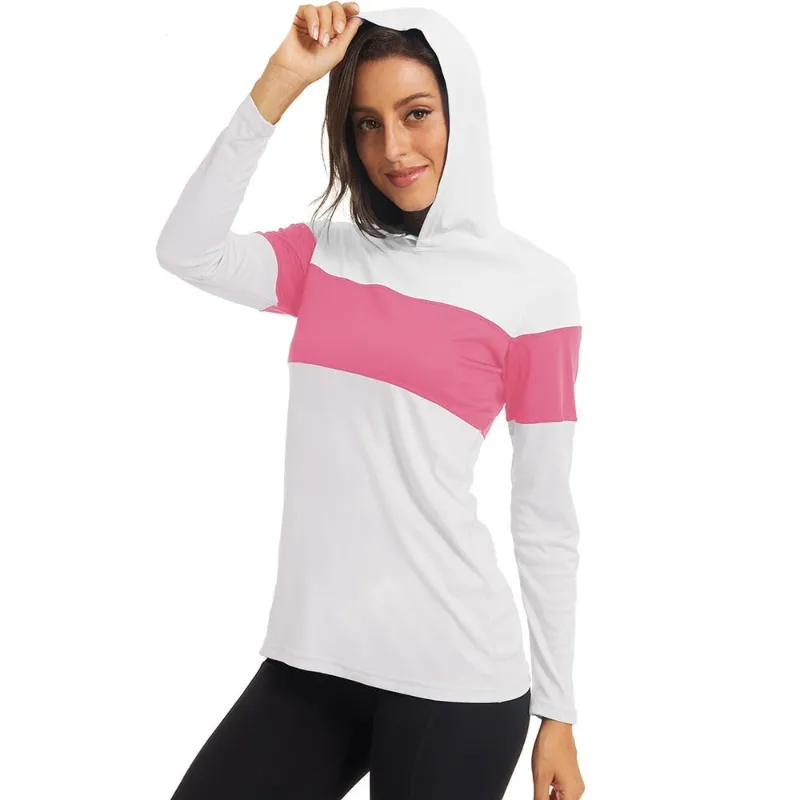
Sun protection in fabric comes from two mechanisms: tight weave density and chemical UV absorbers. Most ladies upf shirts rely primarily on tightly woven synthetic fibers like polyester or nylon that physically block UV radiation. The tighter the weave, the fewer gaps for UV rays to penetrate. Some manufacturers add a topical UV-blocking finish during production, though this coating can fade faster than the inherent protection of a dense weave.
The UPF rating tells you how much UV radiation the fabric blocks. A UPF 50 garment blocks 98% of UV rays, allowing only 1/50th of the sun’s radiation to reach your skin. This protection is built into the fabric structure, not just painted on top, which is why quality women’s uv shirts for swimming maintain their rating even when wet.
When you understand that the fabric’s structure provides most of the protection, you realize why gentle washing preserves UPF performance better than aggressive cleaning.
What Happens When You Wash UPF Clothing
Regular machine washing does not inherently destroy UPF protection, but certain laundry practices can weaken the fabric over time:
- Abrasive agitation can loosen the weave slightly, creating microscopic gaps that allow more UV through
- High heat (hot water or dryer) can relax synthetic fibers and reduce weave tension
- Chlorine bleach breaks down both natural and synthetic fibers, permanently reducing UPF
- Fabric softeners leave a coating that can attract dirt and may interfere with moisture-wicking properties
- Optical brighteners in some detergents can degrade UV-absorbing finishes on treated fabrics
We recommend cold or warm water (never hot), a gentle cycle, and mild detergent without added brighteners or softeners. This approach preserves the fabric’s tight weave and any applied UV treatment. For current deals on quality sun protection gear, check the latest price at Obroi.
Best Washing Practices for Sun Protection Shirts
Follow these steps to maximize the lifespan of your UPF apparel:
- Turn garments inside out before washing to reduce surface abrasion on the outer fabric
- Use cold or lukewarm water (30°C / 85°F maximum) to prevent fiber relaxation
- Choose a mild liquid detergent without bleach, optical brighteners, or fabric softener
- Select a gentle or delicate cycle with reduced spin speed
- Wash similar fabrics together to avoid snagging from zippers or rough textures
- Air dry when possible or use the lowest heat tumble setting
- Skip the iron or use a cool setting, as high heat can damage synthetic weave
For women’s uv shirts for swimming that see saltwater or chlorine exposure, rinse in fresh water immediately after use, then wash normally. Salt and pool chemicals accelerate fabric degradation if left to sit.
Detergents and Products to Avoid
Not all laundry products are safe for UPF clothing.
| Ingredient to Avoid | Why It Harms UPF Fabric |
|---|---|
| Chlorine bleach | Breaks down fiber structure, creates permanent gaps |
| Optical brighteners | May degrade UV-blocking treatments and attract more UV |
| Fabric softener | Coats fibers, reduces moisture management, attracts dirt |
| Enzyme cleaners (high concentration) | Can weaken synthetic fibers over time |
Instead, look for sport-specific or technical fabric detergents labeled safe for synthetics. Brands like Nikwax, Penguin, and Sport-Wash are formulated to clean without harming performance fabrics. You can often grab the code for 10% off cleaning products and UPF gear at Obroi.
How Long Does UPF Protection Last?
Quality UPF garments maintain their rating for the life of the garment if cared for properly. According to independent testing, tightly woven UPF fabrics can withstand 40 to 100+ wash cycles without measurable loss of protection. Garments with applied chemical treatments may see a 10 to 20% reduction in UPF rating after 50 washes, but they still offer meaningful protection.
Physical signs your UPF shirt may be losing effectiveness:
- Visible thinning or transparency when held up to light
- Stretched-out fabric that has lost its original shape
- Pilling or fuzzing that disrupts the weave surface
- Fading that indicates general fiber degradation
Even a well-worn lightweight sun shirt women’s piece typically retains UPF 30+ protection, which still blocks 96.7% of UV rays. Replace your sun protection clothing when you notice significant wear, not on an arbitrary schedule.
Drying and Storage Tips
How you dry and store your UPF 50 long sleeve shirt women’s garments matters as much as how you wash them:
- Air drying is always safest and extends fabric life by avoiding heat stress
- Line dry in shade rather than direct sun to prevent UV degradation of the fabric itself
- If using a dryer, choose the lowest heat or air-fluff setting and remove items while slightly damp
- Store in a cool, dry place away from direct sunlight when not in use
- Fold rather than hang heavy UPF pieces to prevent stretching at the shoulders
- Keep away from moths if your UPF clothing contains any natural fibers
For multi-sport use, consider owning at least two quality pieces so you can rotate them and reduce wear from frequent washing. Women’s sun protective clothing designed for active use is built to handle regular laundering, making it a smart investment for year-round outdoor activities.
When to Replace Your UPF Clothing
Even with perfect care, all clothing eventually wears out. Replace your sun protection shirts when:
- The fabric becomes sheer or you can easily see through it when held to light
- Seams are pulling apart or holes have formed
- The garment has permanently stretched and no longer fits snugly (loose fabric allows more UV through gaps)
- You notice sunburn on previously protected areas after normal wear time
Most active wearers get two to five seasons from a quality UPF garment depending on use frequency. Beach vacationers who wear their shirts a few weeks per year may see a decade of reliable protection.
The same care principles that preserve your ladies upf shirts also work for other technical outdoor gear, so building good laundry habits pays off across your entire wardrobe.
Questions
Can I use regular detergent on ladies upf shirts?
Yes, but choose a mild liquid detergent without bleach, fabric softener, or optical brighteners. These additives can degrade the fabric weave or UV-blocking treatments. Sport-specific detergents are safest for technical fabrics.
Does washing reduce the UPF rating of sun protection clothing?
Proper washing does not significantly reduce UPF protection in quality garments. Tightly woven fabrics maintain their rating through 40 to 100+ washes when cleaned with cold water, mild detergent, and gentle cycles.
Can I put UPF shirts in the dryer?
Air drying is best, but you can use a dryer on the lowest heat or air-fluff setting. High heat can relax synthetic fibers and reduce the fabric's protective weave tension over time.
How do I know when my sun protection shirt needs replacing?
Replace your UPF garment when the fabric becomes sheer or transparent, develops holes or separated seams, or has stretched permanently. If you can easily see through it when held to light, its protection has diminished.
Should I hand wash or machine wash women's UV shirts?
Machine washing on a gentle cycle is fine and more practical for regular use. Turn garments inside out, use cold water, and choose a delicate cycle to minimize fabric stress while still getting them clean.
Do chlorine and saltwater damage UPF clothing?
Yes, over time. Rinse your women's uv shirts for swimming in fresh water immediately after pool or ocean use, then wash normally. This removes chemicals and salt that can accelerate fabric degradation if left to sit.
Products in this guide
Shopping at Obroi? See the discount code
10% OFF
More in this series
 Best Satchel Bags for Men: Leather, Canvas, and Woven Options Compared16 Aug 20264 min
 How Long Do Human Hair Half Wigs Last with Daily Use?16 Aug 20265 min
 Push Up Corset vs Regular Corset: Which Offers Better Support?16 Aug 20264 minDo Camo Cargo Shorts Hold Up for Outdoor Wear?16 Aug 20264 min
 How to Style Men’s Flare Jeans for a Modern Look16 Aug 20264 min