 A Aliness guide
Can You Mix Beet Powder With Coffee? A Flavor Guide
You can stir beetroot powder into coffee for an earthy, slightly sweet cup. Here is how to mix it and what Aliness's BeOrganic label says.
Can You Mix Beet Powder With Coffee?
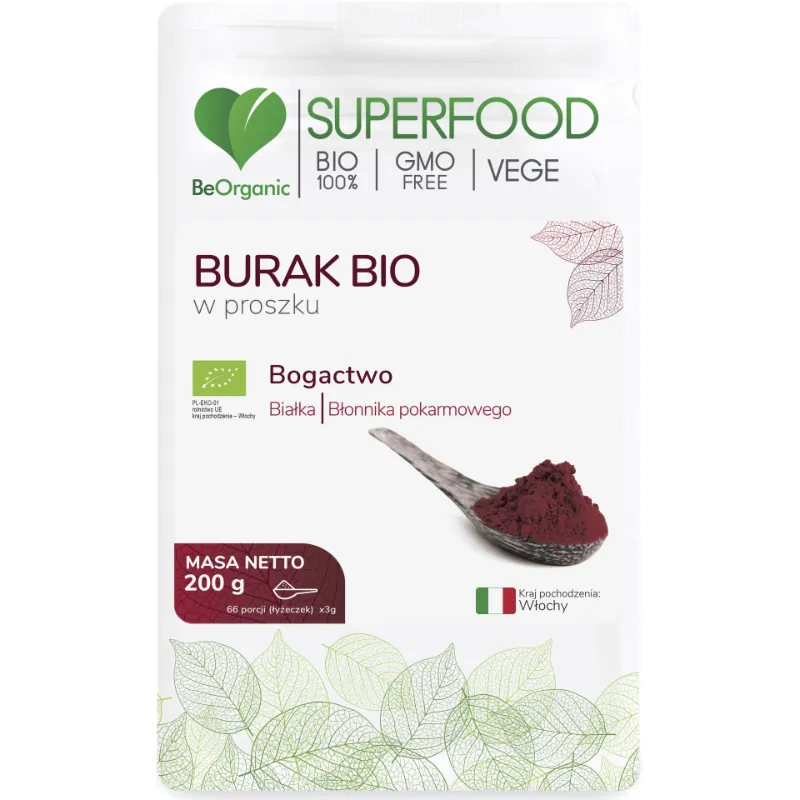
Yes, you can stir beetroot powder into coffee. It adds an earthy sweetness and turns the drink reddish brown. Aliness sells BeOrganic beetroot powder, which its label lists as 100% organic powdered beetroot. The label suggests mixing it with water, juice or yogurt, or adding it to salads, cocktails and desserts; coffee is not on that list, so treat it as a flavor experiment rather than a recommendation from the brand. Our Aliness discount code page lists the current code and how to use it.
A medium or dark roast gives a stronger base that holds up to the vegetable notes of beet powder.
Flavor Profile: What to Expect
Beet powder introduces a mild earthiness with subtle sweetness, similar to adding cacao or maca powder to coffee. The flavor shift depends on your coffee base and the beet powder quality.
Taste characteristics:
- Earthiness: both coffee and beet share soil-forward notes that blend rather than clash
- Sweetness: beets add a mild natural sweetness (Aliness’s label lists 20 g of sugars per 100 g of powder)
- Slight vegetal edge: some beet powders can taste grassy
- Color shift: expect a reddish-brown hue that looks more like a mocha
Start with a small amount if you’re sensitive to vegetable flavors. Pair the mix with a dash of cinnamon or ginger to bridge any flavor gaps, or add a splash of oat milk to mellow the intensity.
How to Mix: Ratios and Preparation Methods
The blending method affects texture and taste. Beet powder clumps easily, so proper mixing is essential.
Preparation methods:
- Blender method: combine hot coffee, beet powder, and any add-ins in a blender briefly; creates a frothy, latte-like texture
- Whisk method: add beet powder to a small amount of hot water first to form a paste, then stir into brewed coffee
- Shaker bottle: for cold brew, shake vigorously with ice
- French press: add beet powder directly to grounds before brewing for full integration (expect a milder beet flavor)
| Method | Texture | Best For |
|---|---|---|
| Blender | Smooth, frothy | Hot coffee, latte-style drinks |
| Whisk | Slightly grainy | Quick prep, minimal cleanup |
| Shaker | Chilled, well-mixed | Cold brew, iced coffee |
| French press | Fully integrated | Subtle beet flavor, less cleanup |
Aliness’s own preparation suggestion for its beetroot powder is 1 teaspoon (3 g) in 200 ml of liquid. Start there or with less, and adjust to taste. If you find the flavor too intense, use less powder or brew your coffee stronger.
Tips for Long-Term Use
Practical tips:
- Rotate between straight coffee and beet-coffee to prevent palate fatigue
- Store beet powder at room temperature, protected from moisture and light, as the Aliness label says
Beet pigments can stain, like coffee and tea. Drinking through a straw or rinsing with water afterwards helps.
If you have a medical condition or take medicines, ask your doctor or pharmacist before you add any supplement to your daily routine.
Questions
Does beet powder change the taste of coffee?
Yes. It adds a mild earthy sweetness and turns the drink reddish brown. Start with a small amount and adjust to taste.
Can I mix beet powder with cold brew coffee?
Yes, beet powder mixes well with cold brew. Use a shaker bottle or blender to prevent clumping, since cold liquids don't dissolve powders as readily as hot coffee.
Will beet powder in coffee stain my teeth?
Beet pigments can stain, like coffee and tea. Rinsing your mouth with water after you finish helps.
How much beet powder should I add to my morning coffee?
Aliness's own preparation suggestion is 1 teaspoon (3 g) of its beetroot powder in 200 ml of liquid. Start there or with less and adjust to taste.
Products in this guide
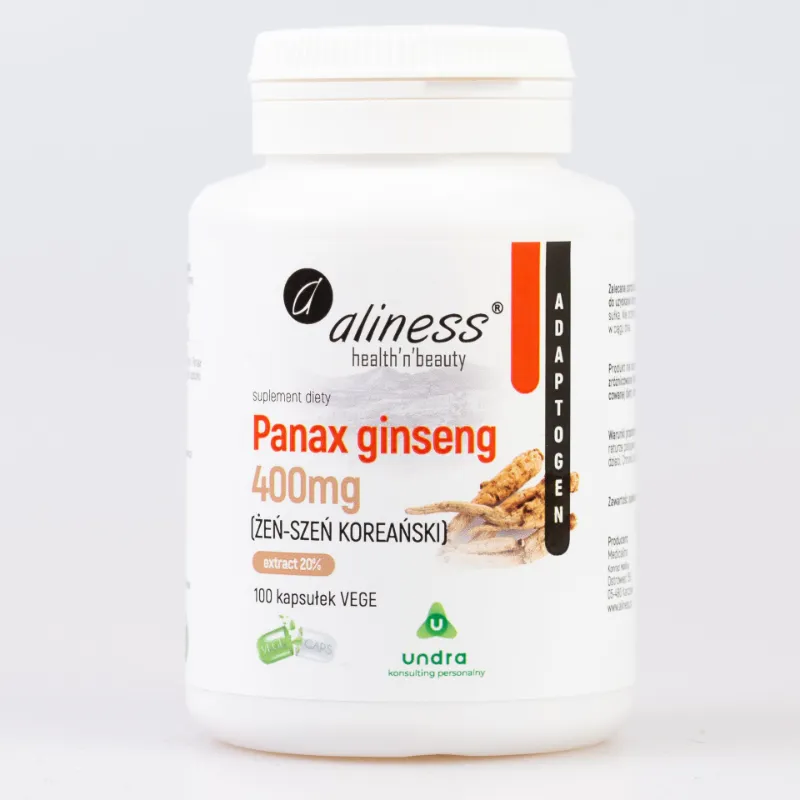
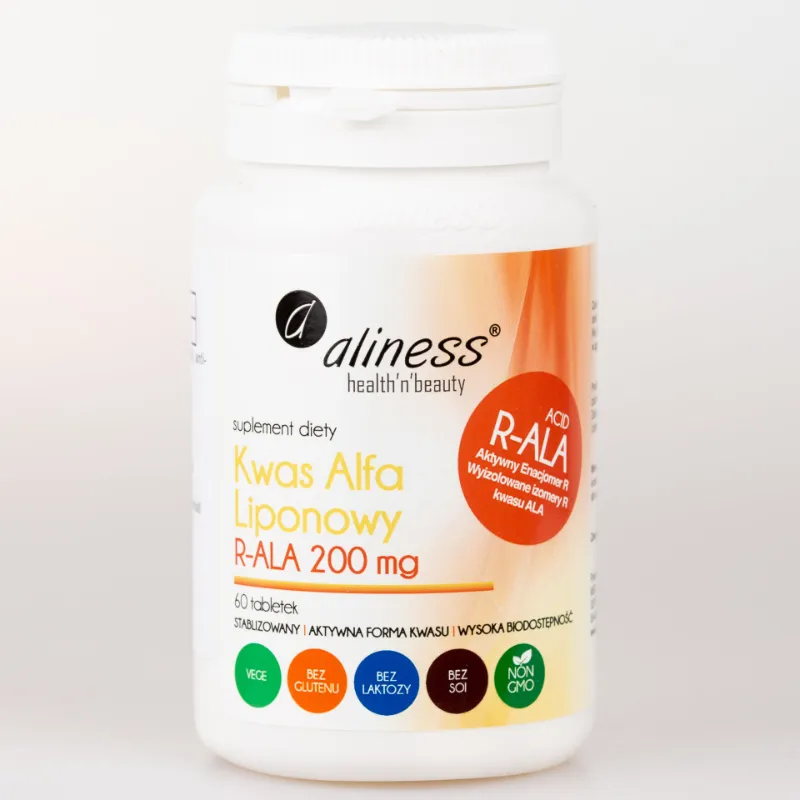
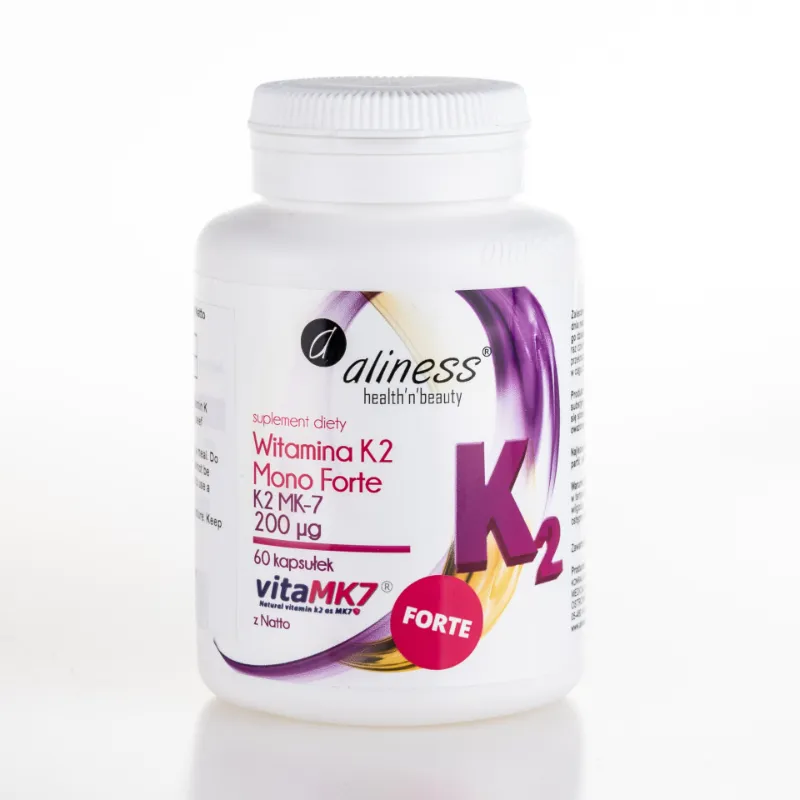

 Shopping at Aliness? See the discount code
25% OFF Sitewide