 A Herbal Renaissance guide
Breathe Easy Tea Review: Can Herbal Blends Help With Congestion and Respiratory Health?
Breathe easy tea uses traditional herbs like eucalyptus and mullein to help open airways and soothe irritated respiratory passages naturally.
What Is Breathe Easy Tea and How Does It Support Respiratory Health?
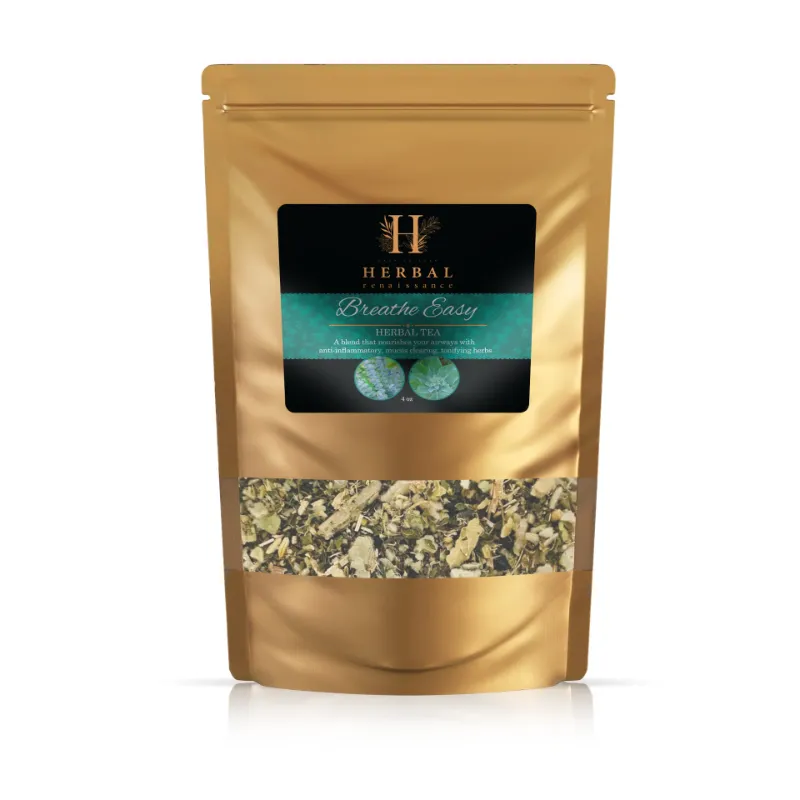
Breathe easy herbal blends combine aromatic leaves and roots that have been used for centuries to open airways, loosen mucus, and soothe irritated respiratory passages. The breathe easy formulation from Herbal Renaissance typically includes eucalyptus, peppermint, mullein, licorice root, and other botanicals chosen for their expectorant and anti-inflammatory properties.
Unlike decongestant medications that dry out mucous membranes, breathe easy tea works by encouraging productive clearance while keeping tissues moist. The steam from hot tea adds another layer of benefit, delivering volatile oils directly to nasal passages and throat. If you want to try it with our discount, grab the code for 10% off your order.
Key Ingredients in Breathe Easy Respiratory Blends
Most breathe easy tea formulations share a core set of herbs backed by traditional use and some clinical research:
- Eucalyptus leaf contains cineole, a compound that thins mucus and has mild antimicrobial effects
- Peppermint provides menthol, which activates cold receptors in the nose and creates a sensation of easier breathing
- Mullein leaf acts as an expectorant and demulcent, helping to expel phlegm while coating irritated tissues
- Licorice root soothes inflammation in the throat and bronchial tubes and adds natural sweetness
- Thyme offers thymol, a phenol with antispasmodic properties that may ease coughing
- Ginger root warms the body and supports circulation, which can help break up congestion
The herbal renaissance tea line emphasizes wildcrafted and organic sourcing, which matters for avoiding pesticide residues when you’re steeping multiple cups daily during illness.
How Breathe Easy Tea Compares to Other Herbal Respiratory Teas
We compared the breathe easy blend to similar respiratory formulations and single-herb teas in Herbal Renaissance’s catalog. Here’s how they differ in focus and strength:
| Tea Blend | Primary Target | Flavor Profile |
|---|---|---|
| Breathe Easy | Congestion, airway opening | Minty, slightly medicinal |
| Iron Hammer Tea | Energy, circulation | Earthy, bitter |
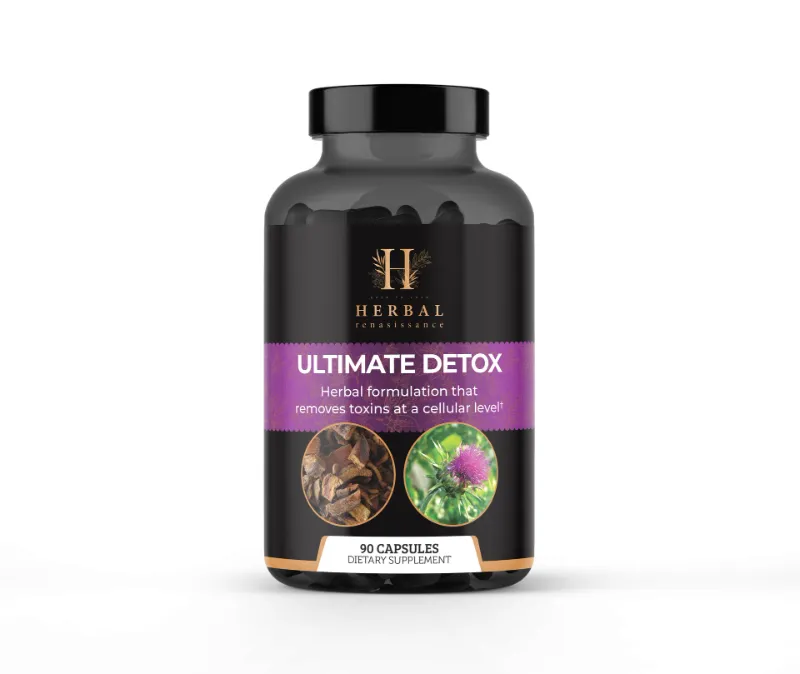
| Herbal Detox | Digestive cleansing | Mild, slightly laxative |
| Siena Tea | General wellness | Balanced, aromatic |
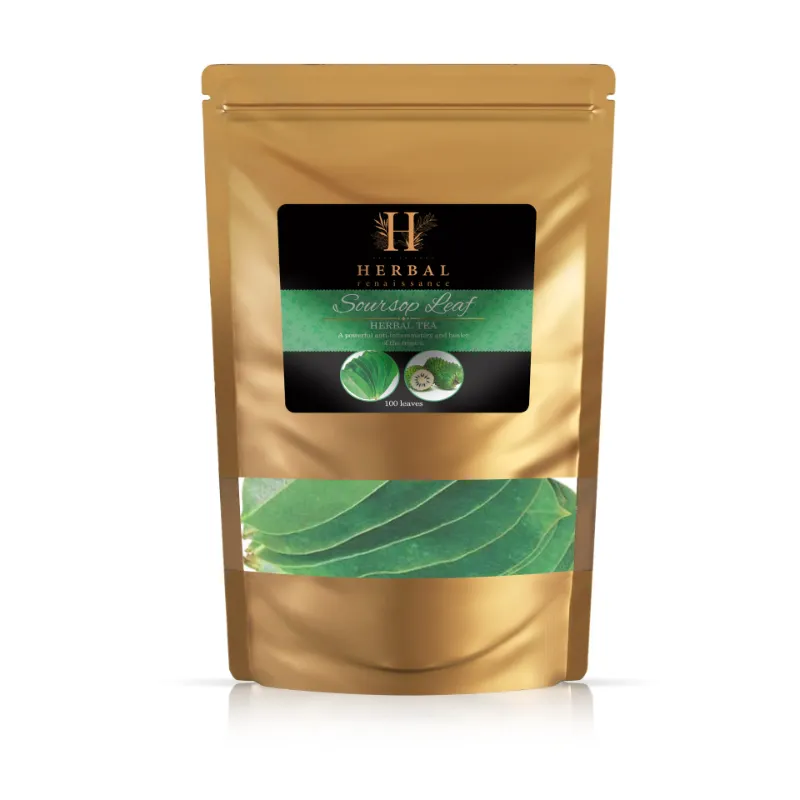
The siena tea offers a gentler introduction if you’re new to herbal blends and want daily wellness support rather than acute symptom relief. For respiratory issues specifically, breathe easy tea delivers a more concentrated dose of volatile oils and expectorants. If you’re layering in immune support, the alkaline herb shop soursop leaf tea supplement provides antioxidants but won’t directly address mucus or cough.
Brewing Tips for Maximum Respiratory Benefit
Proper steeping extracts the active compounds and creates the steam you need for inhalation therapy. We recommend these steps:
- Boil fresh, filtered water and let it cool for 30 seconds to around 200°F to avoid destroying delicate volatile oils
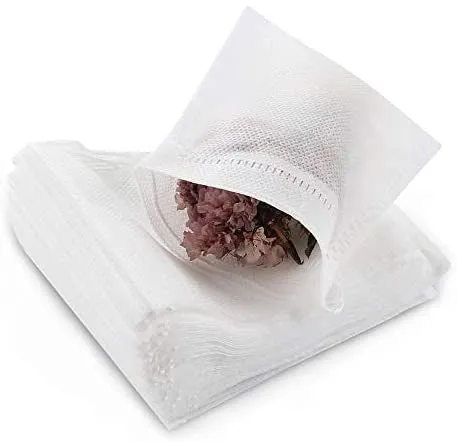
- Use 1 to 2 teaspoons of loose leaf per 8 ounces or one pre-measured bag if using cotton tea bags
- Cover your cup or herbal teapot while steeping for 7 to 10 minutes to trap the aromatic compounds
- Inhale the steam deeply before drinking, holding your face over the cup for a minute or two
- Drink 2 to 3 cups throughout the day when symptoms are active, spacing them between meals
Adding a teaspoon of raw honey can enhance the throat-coating effect without diminishing the herbal properties. Avoid adding dairy, which can thicken mucus for some people. For current pricing on the full respiratory tea line, check the latest deals on the Herbal Renaissance coupon page.
Who Should Use Breathe Easy Tea and Who Should Skip It
Breathe easy respiratory tea suits most adults dealing with:
- Seasonal allergies that cause sinus congestion and post-nasal drip
- Common colds with chest tightness or productive cough
- Dry indoor air that irritates nasal passages and throat
- Mild asthma symptoms as a complementary approach alongside prescribed medication
It’s generally safe for daily use during symptom periods. However, you should avoid or consult a healthcare provider if you:
- Are pregnant or nursing, since some expectorant herbs can stimulate the uterus
- Take blood pressure medication, as licorice root can interfere with certain drugs
- Have a diagnosed respiratory condition like COPD or severe asthma that requires medical management
- Are allergic to plants in the mint or daisy family
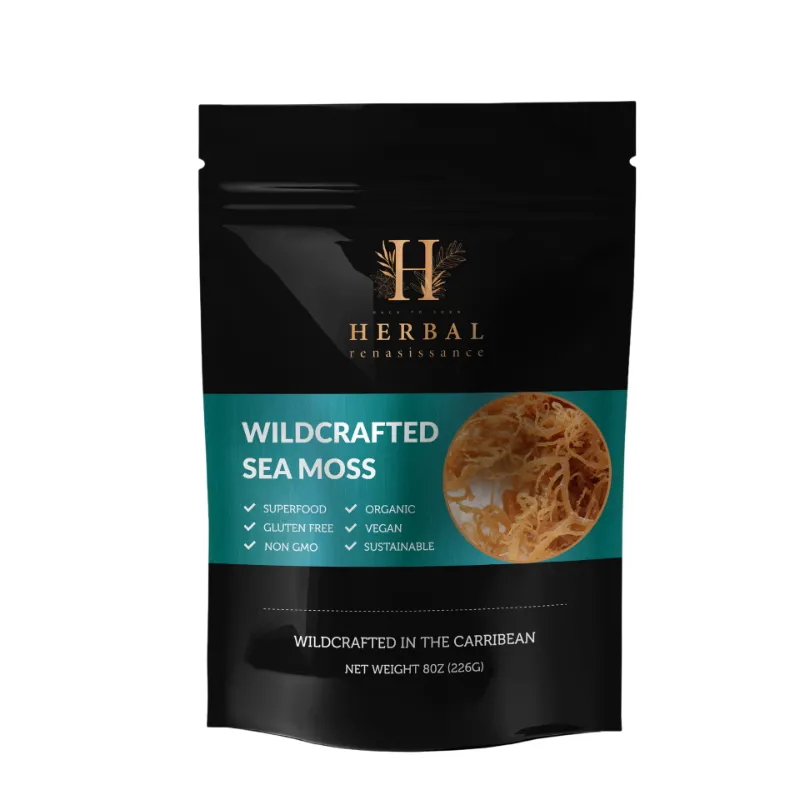
Organizations like Breathe Easy NC provide resources for people with chronic lung disease, emphasizing that herbal teas complement but do not replace prescribed treatments. If you want to explore other wellness categories, the wildcrafted sea moss and wildcrafted sea moss gel offer mineral-rich nutrition that supports overall immune function rather than targeting specific symptoms.
Pairing Breathe Easy Tea With Other Herbal Remedies
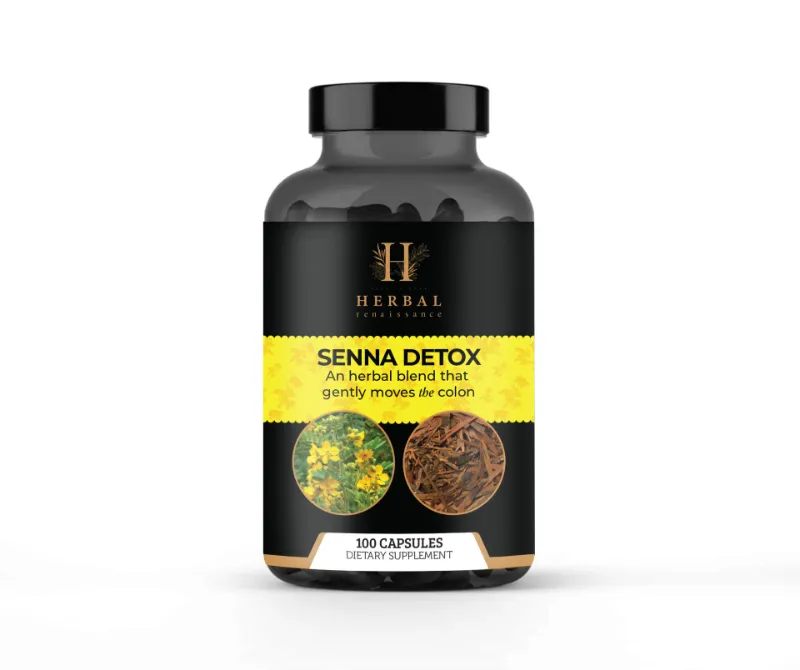
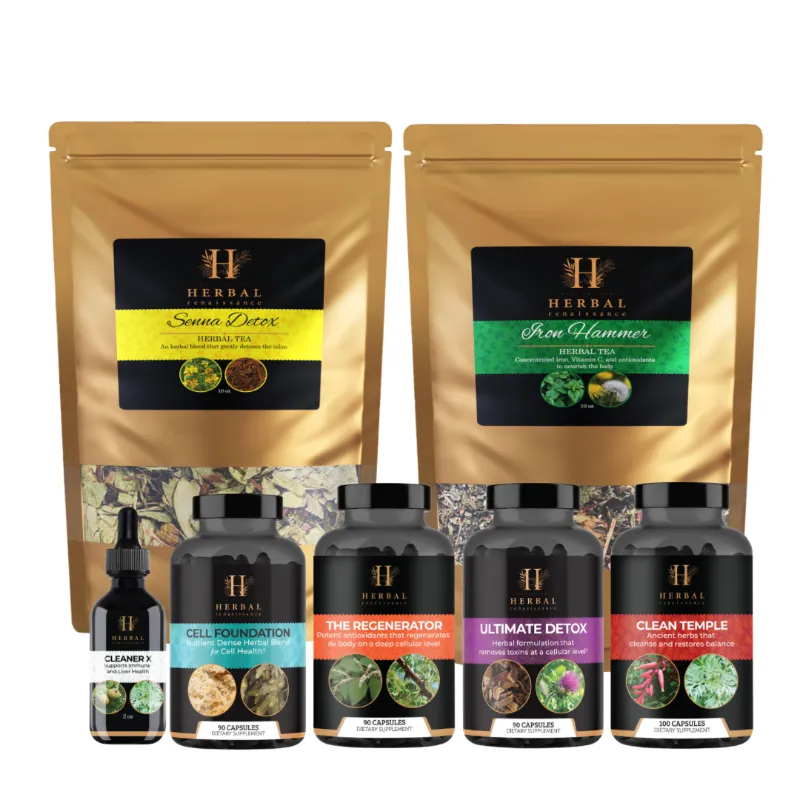
The senna herbal tea is a strong laxative that shouldn’t be combined on the same day unless you’re specifically addressing both constipation and respiratory issues, since it can cause cramping and dehydration. The herbal detox blend is milder but still focuses on digestive elimination, so save it for when your primary concern shifts away from congestion.
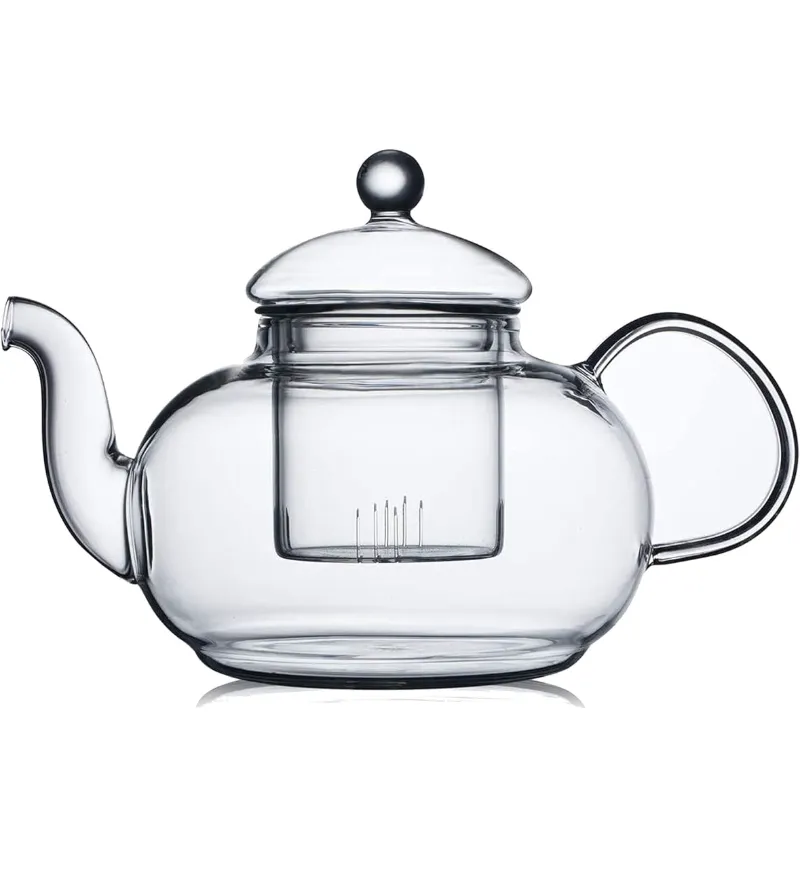
A more synergistic pairing would be breathe easy tea in the morning and afternoon for active symptom relief, with a cup of siena tea in the evening for general calming and antioxidant support. If you’re brewing multiple herbal teas daily, invest in a quality herbal teapot with a built-in strainer and cotton tea bags for single servings at work or travel.
For the best value across the full line, use our discount code to save 10% on your order when stocking up for cold and flu season.
Questions
How often should I drink breathe easy tea for congestion relief?
Drink 2 to 3 cups daily when you have active respiratory symptoms, spacing them throughout the day. Most people notice the strongest effect within 20 to 30 minutes of sipping and inhaling the steam.
Can I drink breathe easy tea every day as a preventive measure?
Yes, but limit it to 1 cup daily for prevention. The expectorant herbs are most beneficial when you have mucus to clear, and long-term licorice root intake can affect blood pressure in some people.
Does breathe easy tea work for asthma or just colds?
It may help soothe mild asthma symptoms and reduce airway irritation, but it does not replace inhalers or prescribed medication. Always follow your doctor's asthma management plan and use herbal tea as a complementary approach only.
What's the difference between breathe easy tea and siena tea?
Breathe easy targets respiratory congestion with expectorant and menthol-rich herbs, while siena tea is a balanced wellness blend for daily drinking. Choose breathe easy when you need symptom relief and siena for general antioxidant support.
Can I add honey or lemon to breathe easy tea?
Yes, raw honey coats the throat and adds its own antimicrobial benefits, while lemon provides vitamin C. Both complement the herbal blend without reducing its effectiveness.
Is breathe easy tea safe for children?
Check with a pediatrician first, especially for children under 6. Some expectorant herbs are too strong for young children, and the menthol in peppermint can be irritating to sensitive airways.
Products in this guide
 Shopping at Herbal Renaissance? See the discount code
10% OFF All Orders
Shopping at Herbal Renaissance? See the discount code
10% OFF All Orders
More in this series
How Long Does Homemade Sea Moss Gel Last in the Refrigerator?14 Aug 20265 minDoes Herbal Detox Tea Really Work? What to Expect in the First Week14 Aug 20265 minWildcrafted Sea Moss vs Sea Moss Gel: Which Form Should You Buy?14 Aug 20265 minHow to Prepare Wildcrafted Sea Moss Gel at Home for Maximum Benefits14 Aug 20265 min