 A Belleze guide
Best Way to Arrange Plant Stands in Small Indoor Spaces
Plant stands indoor transform cramped rooms into green retreats when you use vertical space, corners, and multi-tier arrangements strategically.
Plant stands indoor work best in small spaces when you prioritize vertical layouts, corner placements, and multi-tier designs that keep floor space open.
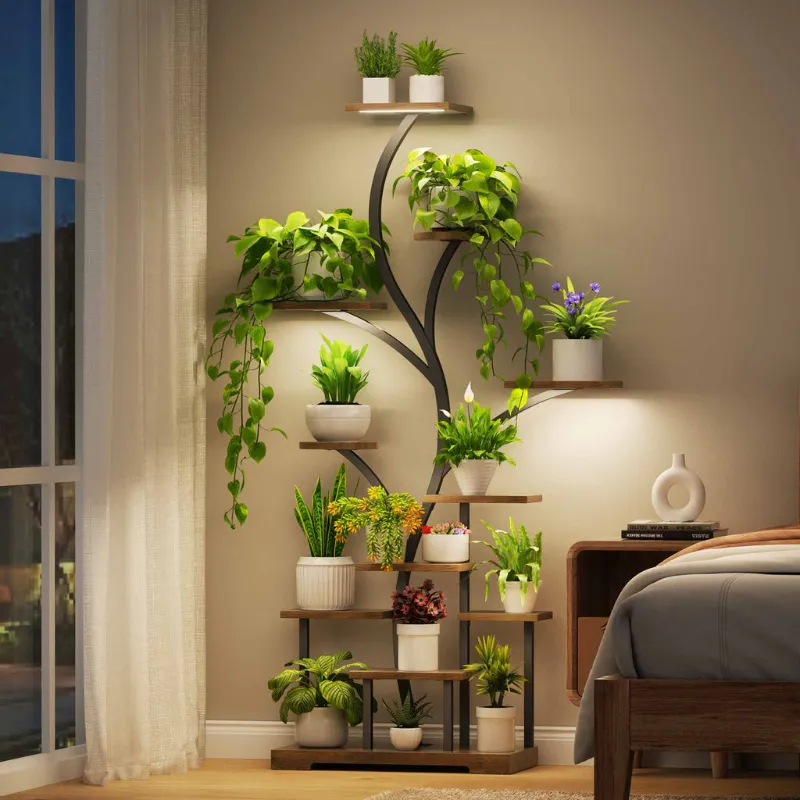
Small spaces demand smart decisions. A tall plant stand lifts foliage to eye level and frees up square footage below for seating or storage, while corner stands exploit dead zones most people ignore. The key is layering heights and anchoring stands to existing furniture lines so your room feels cohesive, not crowded.
Vertical Arrangements for Tight Corners
Corners are the most underused real estate in compact rooms, and a single tall plant stand turns that wasted triangle into a focal point. We recommend placing a stand with three or more tiers in any corner that catches natural light, then filling each level with plants of descending size from top to bottom. This creates visual flow and prevents the stand from feeling top-heavy.
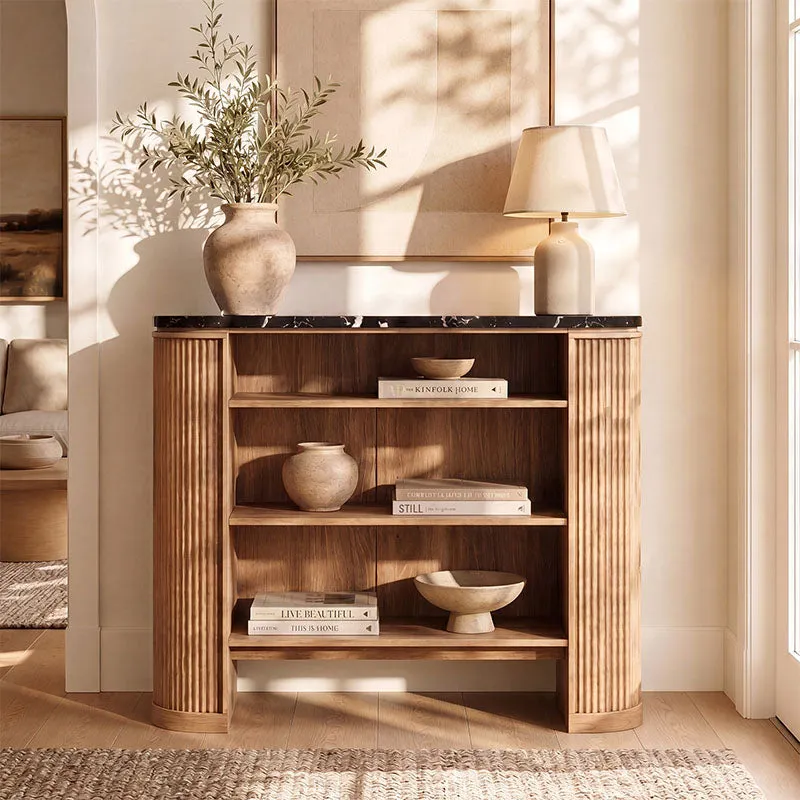
Pair a corner plant stands indoor unit with a nearby console table to establish a green zone along one wall. The console holds smaller pots or trailing plants, while the stand adds height. Keep at least 18 inches between pieces so you can water and prune without moving furniture.
For rooms with low ceilings, choose stands under 48 inches tall. Anything taller competes with overhead lighting and makes the space feel cramped. If you need more plant capacity, add a second shorter stand on the opposite corner rather than stacking vertically.
Multi-Tier Stands for Maximum Plant Density
Indoor plant stands for multiple plants solve the biggest challenge in small spaces: fitting a collection without sacrificing walkways. A tiered ladder stand or staggered shelf unit holds six to ten pots in the footprint of a single chair, and the ascending design keeps each plant visible and accessible.
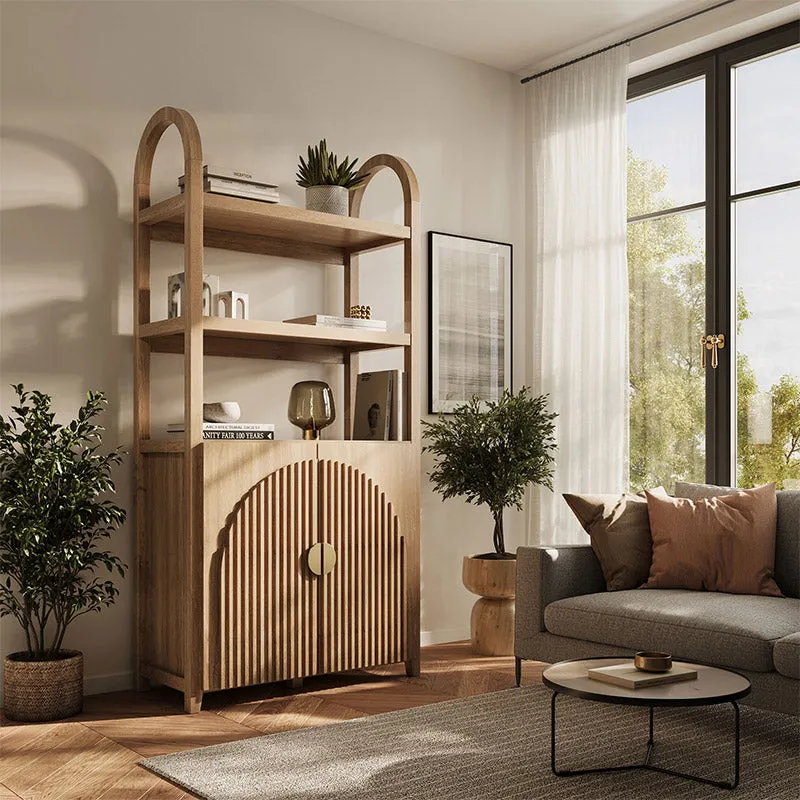
Position multi-tier stands along walls or beside windows where they can lean into natural light without blocking pathways. Placing a tiered stand next to a bookcase and bookshelf can create a unified wall of texture and color, especially when you alternate plant heights with books or decorative objects on the shelves.
Avoid placing multi-tier stands in the center of a room. They work as edge pieces that frame the space, not as room dividers. If you want to separate zones, a tall single plant stand indoor with a statement fern or fiddle-leaf fig provides visual division without the bulk of a multi-tier unit.
Pairing Plant Stands with Existing Furniture
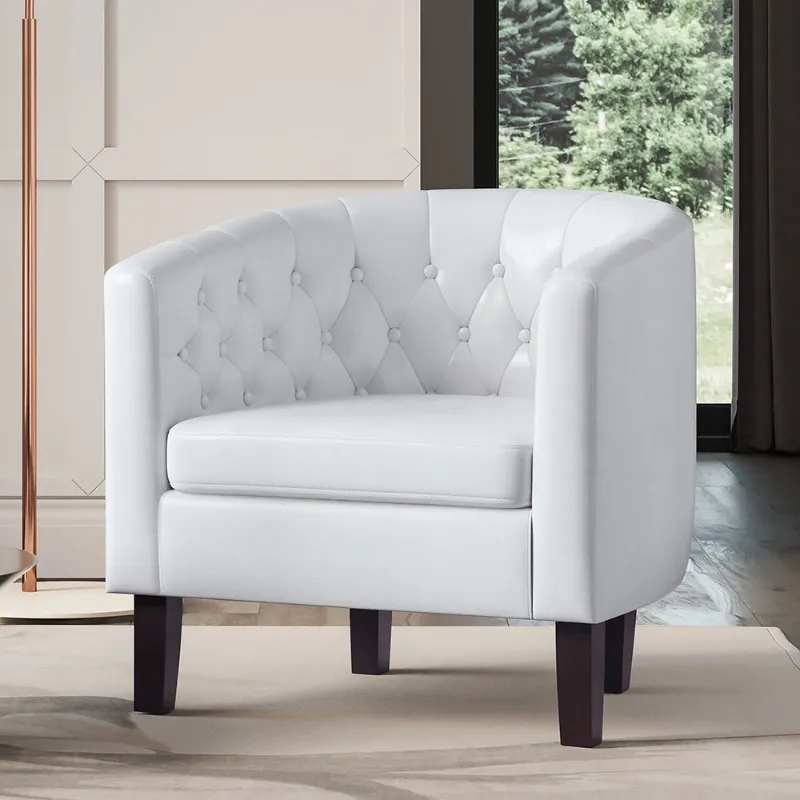
The best small-space arrangements integrate plant stands into your furniture layout instead of treating them as add-ons. A low plant stand nestles perfectly beside accent chairs or a vanity chair, adding greenery at arm level without interrupting sightlines across the room.
We like placing a single plant stand indoor next to a bedroom dresser or fireplace tv stand to soften hard furniture lines. Choose a stand height that matches or sits slightly below the top of the adjacent piece so the eye reads them as a group. This trick makes both the furniture and the plants feel intentional rather than squeezed in.
For living rooms with a tv stand for 75 inch tv, flank the stand with two matching plant stands to balance the screen’s visual weight. Keep the plants low enough that they don’t block the TV from seating areas, and check the latest price to outfit both sides without breaking your budget.
Material and Style Choices That Save Space
Unique plant stands indoor made from metal or slim wood frames take up less visual bulk than chunky ceramic or wide-base designs. Open frames let light and sightlines pass through, which prevents the stand from carving up your room into smaller chunks. We prefer powder-coated steel or bamboo for durability and a light footprint.
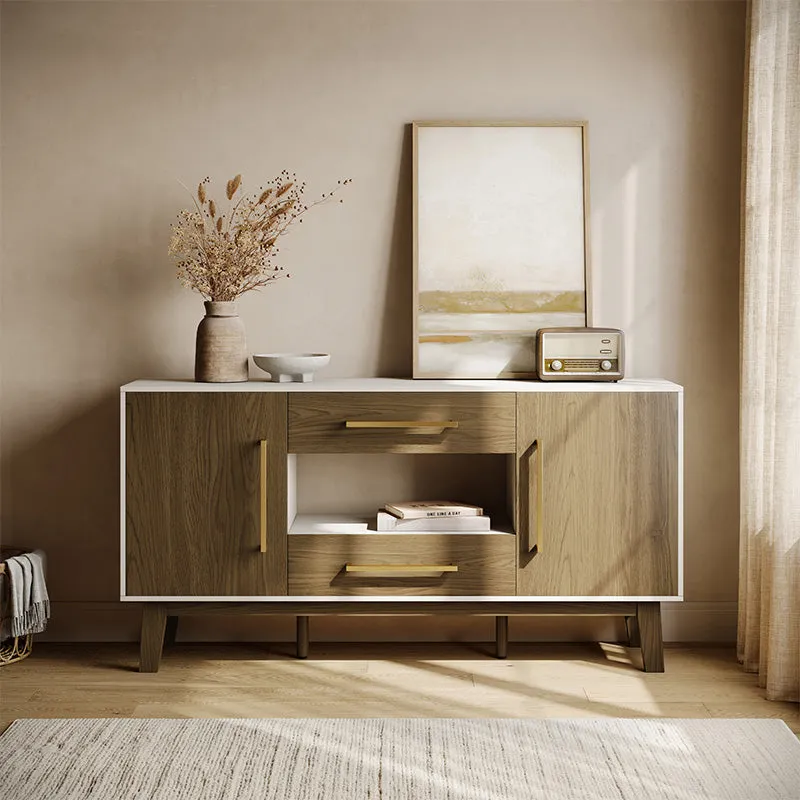
Glass or acrylic shelves on metal stands create the illusion of floating plants, a particularly effective trick in rooms with dark walls or heavy furniture. If your space leans mid century modern, look for tapered legs and clean lines that echo that aesthetic without adding decorative clutter.
Avoid plant stands with wide drip trays or built-in planters unless you need the water-catching feature. They add 2 to 4 inches of diameter per pot, and that extra width compounds fast when you’re arranging multiple stands. Use slim cache pots on simple stands instead, and grab the code for 8% off when you order.
Lighting and Placement Strategy
Tall plant stands indoor perform best within 3 to 5 feet of a window, where indirect light reaches all tiers without scorching leaves. In rooms with limited natural light, position stands perpendicular to windows so each shelf catches some exposure, or invest in plant stands indoor with grow lights to eliminate guesswork.
For north-facing or interior rooms, a single grow-light stand in one corner supports a full collection without requiring window access.
If you’re working with only one strong light source, rotate your stands weekly so all sides of each plant develop evenly. This also gives you a reason to inspect for pests or watering needs, which matters more in tight quarters where airflow is limited.
Measuring Before You Buy
Small spaces punish guesswork, so measure your available floor area and ceiling height before shopping. A stand that looks modest online can dominate a 10×10 room in reality. We recommend stands no wider than 18 inches for spaces under 120 square feet, and ladder-style designs that taper as they rise.
Check doorway and hallway widths if you plan to move stands between rooms. Many tiered and tall models exceed 24 inches when assembled, which makes navigating tight hallways frustrating. Knock-down or folding designs solve this problem if you rearrange seasonally.
Also account for plant growth. A stand that fits your current collection snugly will feel overcrowded in six months when your pothos vines triple in length. Leave 20 to 30 percent extra capacity, or plan to prune aggressively. You can always add a second stand later if your collection expands, and checking authority sources like IKEA’s floor plant stands gives you a sense of standard sizing and style variety.
Quick Wins for Immediate Impact
Start with one well-placed tall plant stand indoor in your brightest corner, then add a smaller single stand indoor near seating or a workspace. This two-stand approach costs less, feels curated, and leaves room to adjust as you learn how plants perform in your space.
Group stands by care needs rather than aesthetics. Putting all your high-humidity tropicals on one stand near the bathroom or kitchen makes watering and misting efficient, and the concentrated greenery creates a bolder statement than scattering plants room-wide.
Finally, visit the coupon page before you buy. An 8% discount on two or three stands adds up fast, and we update codes regularly so you always get the best available offer. Small spaces don’t need small style, just smart arrangements that let every plant and every square foot shine.
Questions
How many plant stands should I use in a small room?
Start with one or two plant stands indoor in a small room to avoid overcrowding. A tall corner stand plus a low single stand near seating typically provides enough greenery without blocking walkways or making the space feel cramped.
Can I place a tall plant stand next to my TV or dresser?
Yes, placing a tall plant stand beside a TV stand or dresser softens furniture lines and adds vertical interest. Keep the stand height at or slightly below the top of the furniture piece so they read as a cohesive grouping.
What is the best material for plant stands in tight spaces?
Metal or slim wood frames work best in tight spaces because they take up less visual bulk than ceramic or wide-base stands. Open frames let light and sightlines pass through, preventing the stand from carving up your room.
Do I need grow lights if my small room has limited windows?
Grow lights help if your room is north-facing or has no direct window access. A single compact stand with integrated LED bars can support a full collection of low to medium-light plants without requiring window placement.
How far should a plant stand be from a window?
Position plant stands within 3 to 5 feet of a window for indirect light that won't scorch leaves. If you only have one strong light source, rotate your stands weekly so all sides of each plant develop evenly.
Can I use outdoor plant stands inside my apartment?
You can use outdoor stands indoors if they fit your style and space, but indoor-specific stands are usually lighter and have finishes better suited to climate-controlled rooms. Outdoor stands may be bulkier or rust if humidity levels fluctuate.
Products in this guide
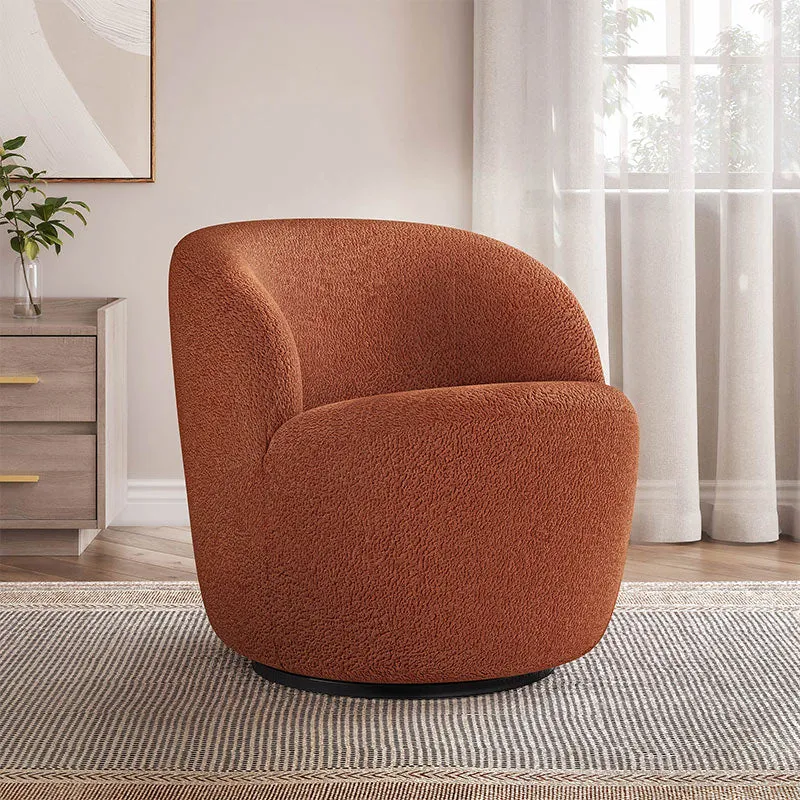
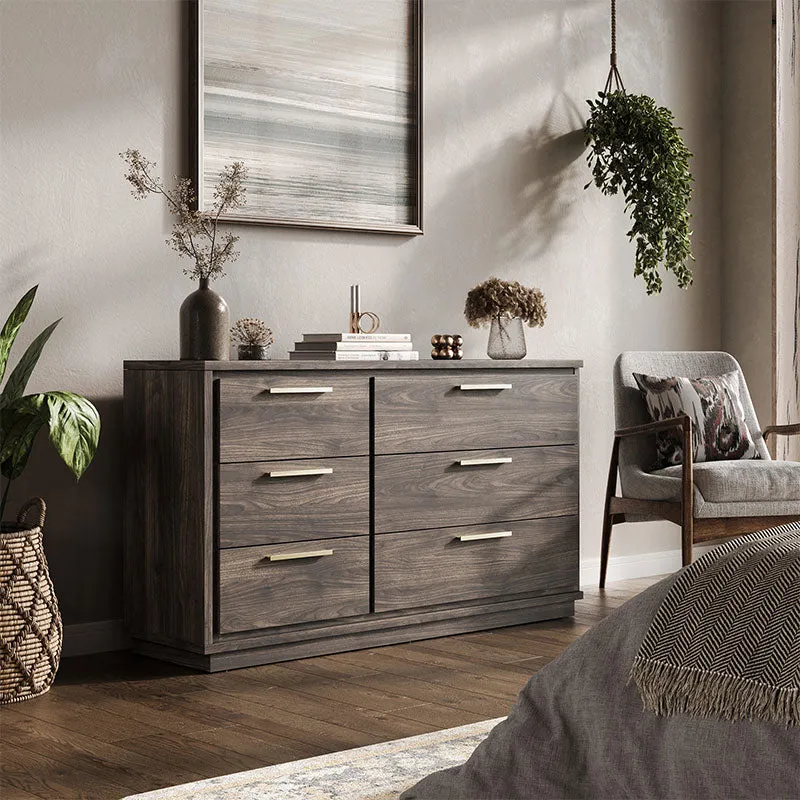
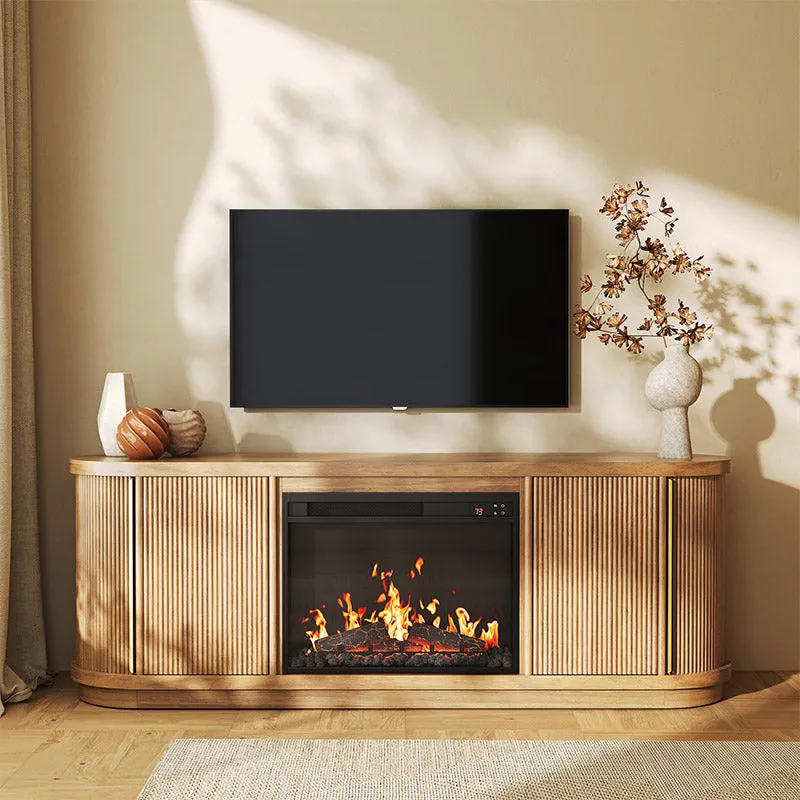 Shopping at Belleze? See the discount code
8% OFF All Orders
Shopping at Belleze? See the discount code
8% OFF All Orders
More in this series
How Long Do Belleze Mid Century Modern Furniture Pieces Last?21 Aug 20264 min Will a Corner TV Mount Work With My Fireplace TV Console?21 Aug 20265 minDo Belleze Accent Chairs Hold Up for Daily Use?21 Aug 20263 minBelleze Console Table vs Couch Table: What’s the Difference?21 Aug 20266 min
 How to Choose the Right TV Stand Size for a 75 Inch TV21 Aug 20265 min