 A MaiaMina guide
Beaded Necklaces vs Chain Necklaces: Which Lasts Longer?
Beaded necklaces offer surprising durability when strung correctly, often outlasting delicate chains in everyday wear scenarios.
Which Style Wins for Durability?
Beaded necklaces typically last 3 to 10 years with proper care, while chain necklaces can survive decades or fail within months depending on construction quality. The winner depends less on whether you choose beads or chain and more on material choice, stringing technique, and how you wear the piece.
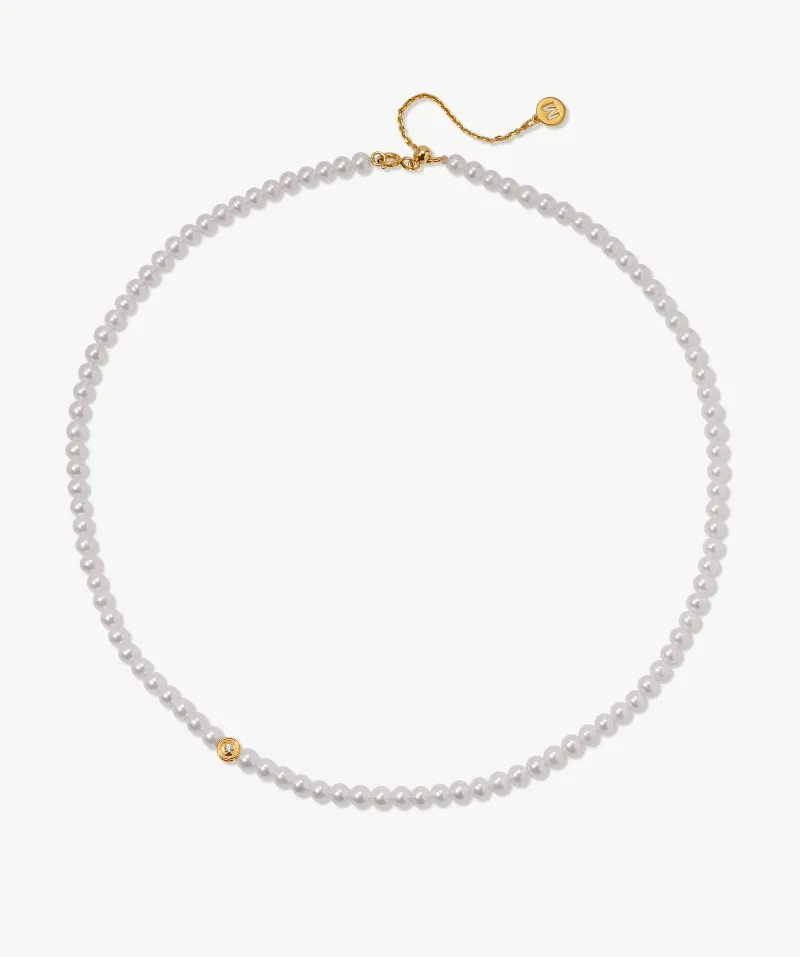
Chain necklaces made from solid gold or sterling silver outlast most beaded designs in pure longevity, but beaded necklaces resist scratching, tangling, and breakage better in active lifestyles. If you layer jewelry, travel frequently, or prefer low-maintenance pieces, beads often prove more practical.
How Beaded Necklaces Hold Up Over Time
The lifespan of beaded jewelry hinges on three factors: bead material, stringing medium, and closure hardware. Luxury fine jewelry under 200 often features semi-precious stones like turquoise, jade, or freshwater pearls strung on silk or nylon-coated steel wire. These materials determine how the piece ages.
Common bead materials and their durability:
- Glass and crystal beads resist scratching but can chip if dropped on hard surfaces
- Gemstone beads (jade, agate, turquoise) offer excellent longevity, often lasting decades
- Wood and bone beads absorb oils and moisture, requiring restringing every 2 to 5 years
- Polymer clay beads stay vibrant but may crack under pressure or extreme temperatures
- Freshwater pearls develop luster over time but need gentle handling to avoid surface damage
The stringing material matters more than most buyers realize. Silk thread stretches and weakens with body oils, typically needing replacement every 1 to 3 years. Modern beaded necklaces silver often use nylon-coated stainless steel cable that resists fraying for 5 to 10 years. Knotting between beads prevents total loss if the string breaks, a technique David Yurman uses extensively in their collections.
Clasps fail more often than beads themselves. Lobster clasps and toggle closures on quality pieces last longer than spring rings, which weaken with repeated use.
Chain Necklace Durability: What Actually Breaks
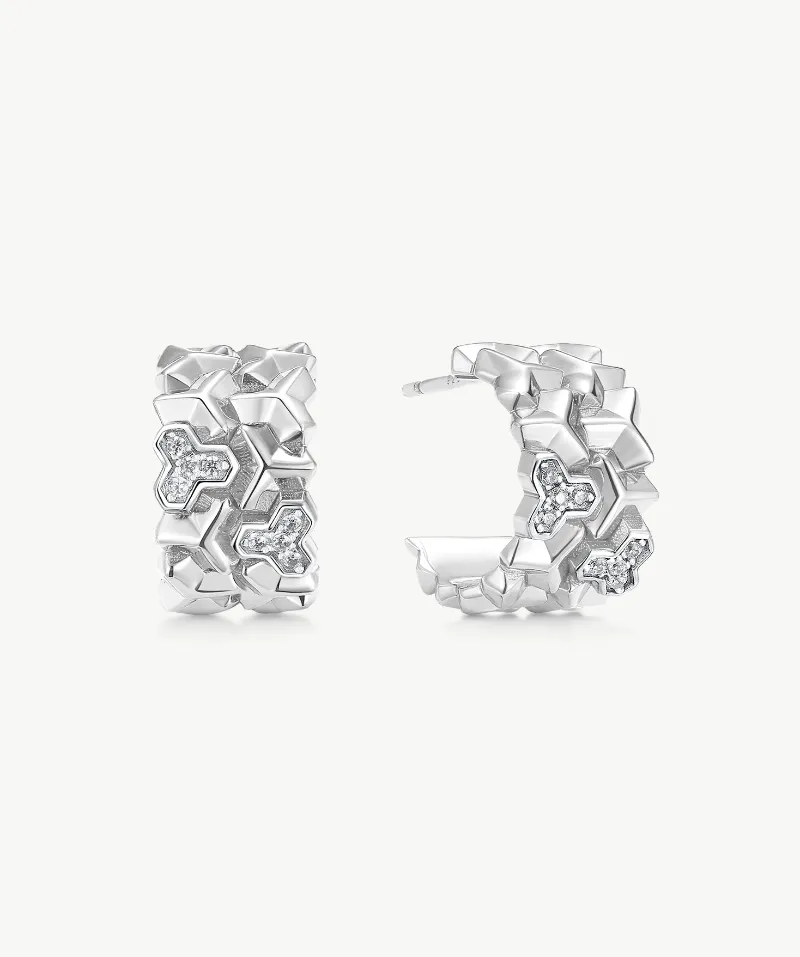
Chain necklaces break at predictable weak points: thin link sections, solder joints, and clasps. The 14k gold society nautique linsey mini hoop necklace exemplifies well-constructed chain jewelry, with uniform links and secure closures that distribute stress evenly.
Chain styles ranked by durability:
| Chain Type | Durability Rating | Common Failure Point |
|---|---|---|
| Box chain | High | Clasp mechanism |
| Rope chain | High | Kinking if twisted |
| Cable chain | Medium-High | Thin solder joints |
| Snake chain | Medium | Kinking, segment separation |
| Figaro chain | Medium-Low | Thin decorative links |
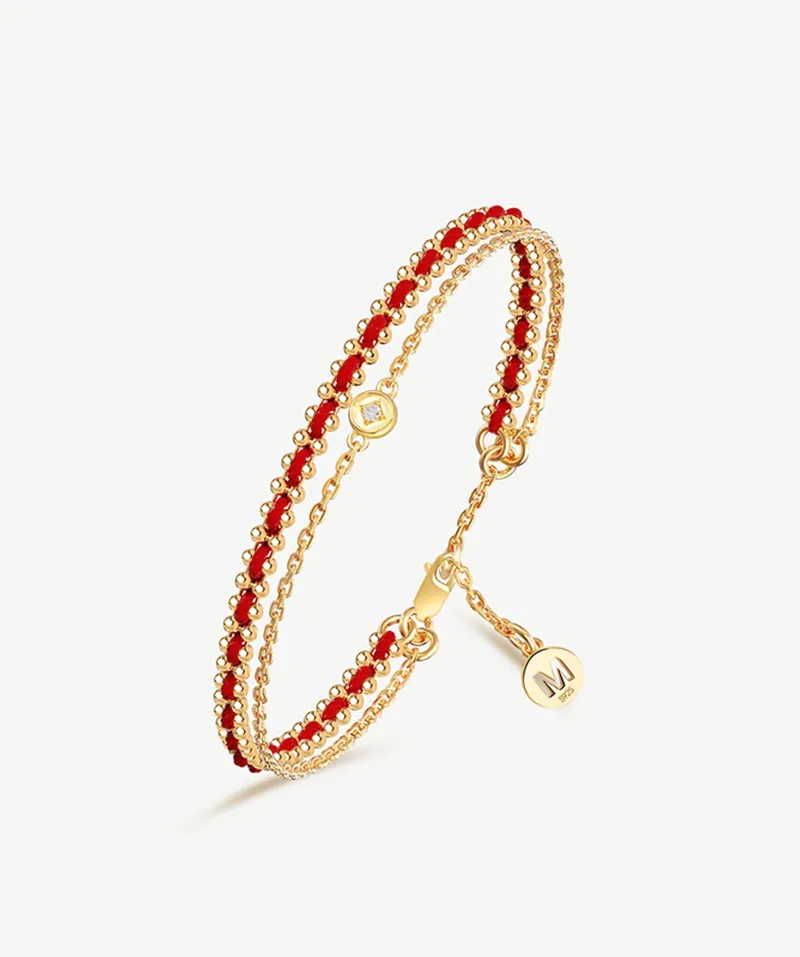
Gold and platinum chains resist tarnish indefinitely but scratch easily. Sterling silver chains require polishing to remove tarnish but handle daily wear well. The double chain bracelet demonstrates how layered construction adds redundancy, so one broken strand doesn’t render the piece unwearable.
Hollow chains weigh less and cost less but dent and collapse under pressure. Solid chains from reputable makers typically carry longer warranties because manufacturers trust the construction. Check current pricing on solid versus hollow options before deciding.
Material Comparison: Popular Beaded Necklaces vs Chain Options
Comparing similar materials helps isolate durability differences. A sterling silver chain and a beaded necklaces silver design with silver spacer beads face identical tarnish challenges but different structural stress.
Wear patterns to expect:
- Beaded necklaces chunky styles distribute weight across multiple contact points, reducing stress on any single element
- Chain necklaces concentrate stress at clasps and at the back of the neck where friction occurs
- Beaded necklaces choker lengths experience less swinging motion, which reduces cord wear
- Longer chains (20+ inches) develop kinks and twists more readily than shorter beaded designs
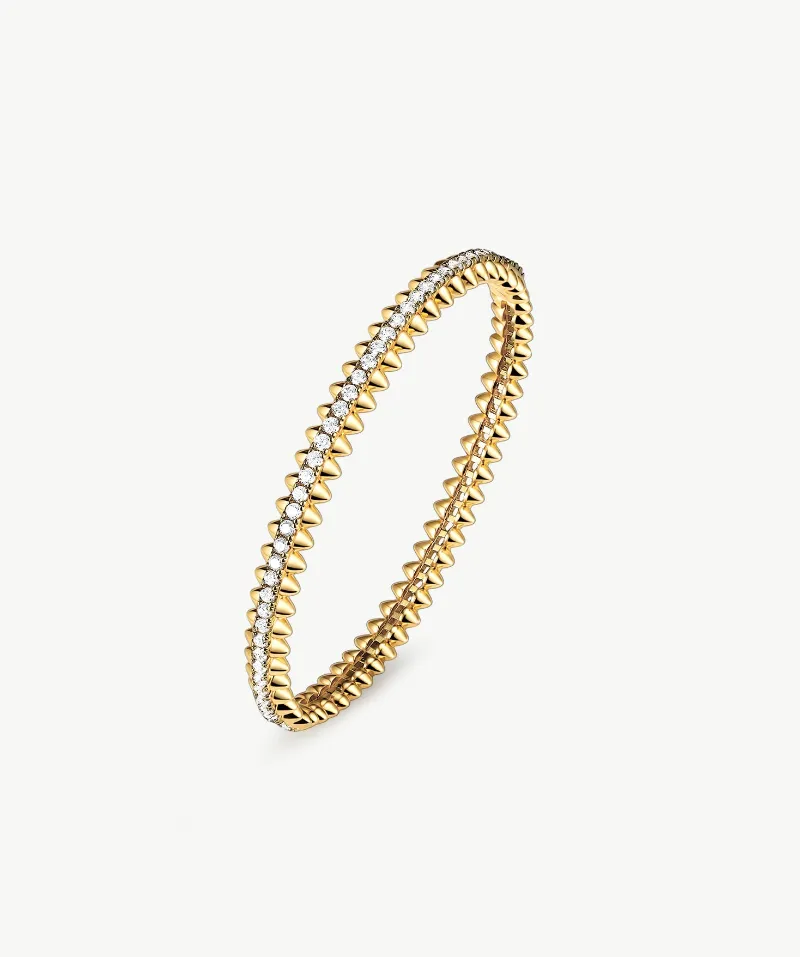
Mixed-material jewelry combines both approaches. The gold spike bracelet and gold spiked bracelet pair metal elements with flexible stringing for durability and visual interest. Similarly, the red string gold bracelet uses a replaceable cord component with permanent metal accents, allowing easy repair without replacing the entire piece.
Color-treated materials age differently. The la morena bracelet red and red and gold bracelet may show fading if dyed components weren’t properly sealed. Anthropologie’s beaded collections often use naturally colored stones that won’t fade, though surface treatments still require verification.
Care Routines That Extend Lifespan for Both Styles
Proper storage prevents most premature failures. We recommend hanging chain necklaces individually to prevent tangling and storing beaded pieces flat in soft pouches to avoid cord stress at the clasp.
Daily care checklist:
- Remove all jewelry before showering, swimming, or applying lotions and perfumes
- Wipe beaded necklaces with a dry cloth after wearing to remove body oils
- Check clasps monthly for wear, especially spring rings on beaded necklaces party pieces you wear frequently
- Store chains and beaded designs separately to prevent chains from scratching softer bead materials
- Inspect stringing cord every 6 months for fraying, especially near crimp beads and knots
Professional restringing for beaded jewelry costs $20 to $60 depending on complexity, far less than replacing a piece. Grab our discount code for 15% off maintenance supplies and replacement pieces from MaiaMina.
Chain necklaces need professional repair for broken links or clasps, typically $30 to $100 for precious metals. Simple chains like cable styles cost less to fix than intricate patterns. The versace spiked cuff bangle shows how high-end brands engineer pieces for disassembly and repair rather than disposal.
When to Choose Beads Over Chain (and Vice Versa)
Your lifestyle determines which style lasts longer in practice. Active wearers who exercise, travel, or work with their hands find beaded designs more forgiving. The flexible construction absorbs impacts that would kink or break chains.
Choose beaded necklaces if you:
- Layer multiple necklaces regularly (beads don’t tangle like chains)
- Want texture and color variety beyond metal alone
- Prefer lightweight jewelry for all-day comfort
- Need pieces that pack flat for travel without tangling
- Want to incorporate UNOde50’s beaded styles into a bohemian or eclectic wardrobe
Choose chain necklaces if you:
- Want heirloom-quality pieces that last generations
- Prefer minimal, classic styles that never look dated
- Already own valuable pendants that require sturdy chains
- Want jewelry you can resize easily by removing links
- Appreciate the weight and feel of solid metal construction
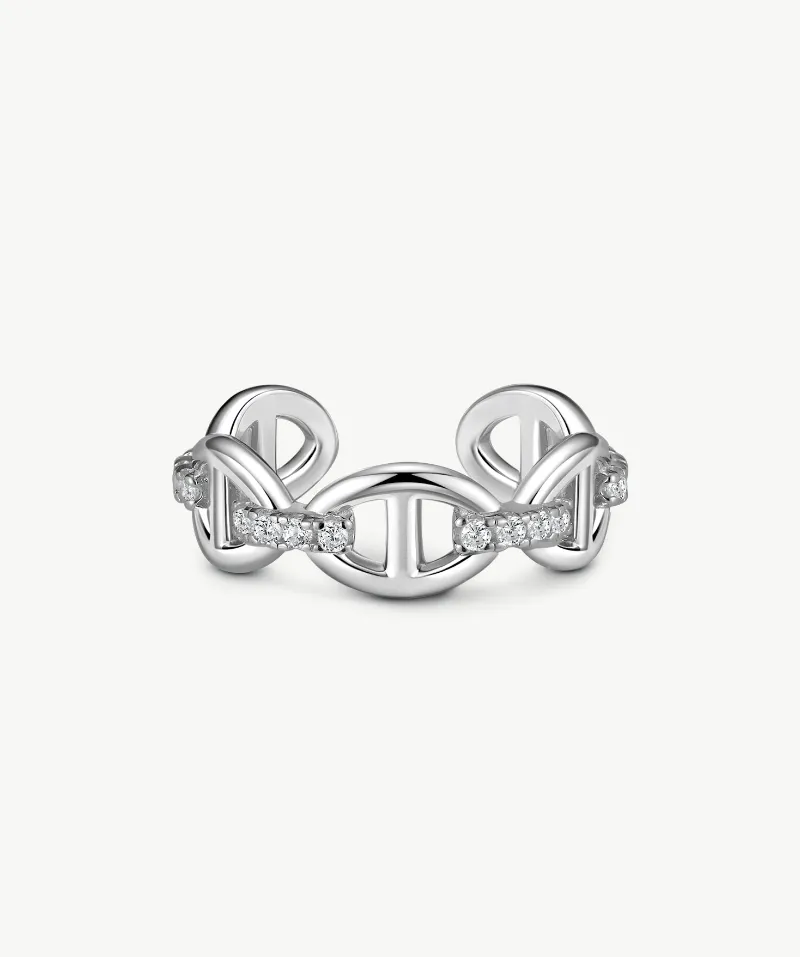
Mixed collections work best for most people. A mariner link ring or gradient ring adds metal contrast to beaded necklaces, while a chain necklace pairs well with beaded bracelets for balanced texture. View our full collection to mix styles strategically.
Cost Per Wear: The Real Durability Metric
A $50 beaded necklace worn 200 times over 3 years costs $0.25 per wear. A $300 gold chain worn 1,000 times over 10 years costs $0.30 per wear. Both represent solid value, but the chain edges ahead in pure economics if you maintain it properly.
Factor replacement costs into your decision. Restringing beads every few years adds $20 to $60 per service. Chain repairs range from $30 for simple fixes to $150 for complex link replacement. Insurance matters more for chains because their material value exceeds most beaded designs.
The most durable jewelry is the piece you’ll actually wear. If beaded styles suit your aesthetic and lifestyle better, they’ll deliver more value than a chain that stays in your jewelry box. Start with one quality example of each style, track how they age in your real-world conditions, then invest in whichever type proves more practical for you.
Questions
Do beaded necklaces break easily?
Quality beaded necklaces with proper stringing and knotting between beads resist breakage well. The cord may need replacement every 2 to 5 years, but the beads themselves typically last decades if made from durable materials like gemstones or glass.
Which chain type is strongest for everyday wear?
Box chains and rope chains offer the best durability for daily wear because their construction resists kinking and distributes stress evenly. Solid versions outlast hollow chains significantly.
Can I shower with beaded or chain necklaces?
Remove both styles before showering. Water weakens silk and nylon stringing in beaded pieces, while soap residue dulls chain finishes and accelerates tarnish on silver.
How often should beaded necklaces be restrung?
Restring beaded necklaces every 1 to 3 years if strung on silk, or every 5 to 10 years for nylon-coated steel wire. Inspect the cord every 6 months and restring immediately if you notice fraying near the clasp.
Do gold chains last longer than silver beaded necklaces?
Gold chains resist tarnish better than silver and can last generations, but silver beaded necklaces often handle daily wear and impacts better due to their flexible construction. Material quality matters more than the choice between beads and chain.
What causes beaded necklace clasps to fail?
Spring ring clasps weaken with repeated opening and closing, while lobster clasps last longer. The connection points where the clasp attaches to the stringing material also fail if crimp beads loosen or knots slip over time.
Products in this guide
Shopping at MaiaMina? See the discount code
15% OFF All Orders
More in this series
How to Layer Multiple Bracelets Without Looking Cluttered7 Aug 20264 minWhat to Know Before Buying a Mariner Link Ring7 Aug 20265 minThe Best Luxury Fine Jewelry Under 200 Dollars for Gifting7 Aug 20264 minDoes the MaiaMina Versace Spiked Cuff Bangle Tarnish Over Time?7 Aug 20263 minHow to Style a Red String Gold Bracelet for Everyday Wear7 Aug 20265 min