 A Jolly Vintage guide
50s Dresses vs Flapper Dresses: Which Vintage Style Fits Your Body Type?
50s dresses and flapper dresses each suit different body types—here's how to choose the vintage silhouette that flatters your shape.
50s dresses typically flatter hourglass and pear shapes with their cinched waists and full skirts, while flapper dresses work best for rectangular and athletic builds thanks to their straight, drop-waist silhouettes. Both decades offer timeless vintage appeal, but the cut, structure, and styling differ dramatically, and understanding these differences helps you choose a dress that celebrates your natural proportions rather than fights them.
Whether you’re shopping for a special event or building a retro wardrobe, this guide breaks down the key silhouette differences, fabric considerations, and styling tips so you can invest in vintage pieces that actually work for your frame.
How 50s Dresses Define and Emphasize Your Waist
The hallmark of 1950s fashion is the nipped waist and full skirt, a silhouette designed to create or enhance an hourglass figure. Fifties dresses ranged from swing styles to wiggle cuts, but most shared a fitted bodice that draws the eye to the smallest part of your torso. If you have a defined waist, a 50s swing dress amplifies that proportion beautifully. The full, A-line skirt balances wider hips and creates movement, making this style ideal for pear and hourglass shapes.
For those with a straighter torso, the structured bodice and cinched waist of a 1950s dress with sleeves can create definition where there isn’t much naturally. Look for styles with:
- Princess seams or darts that sculpt the bodice
- Belts or sash ties that sit at your natural waist
- A-line or circle skirts that add volume below the waist
- Sweetheart or bateau necklines that broaden the shoulders
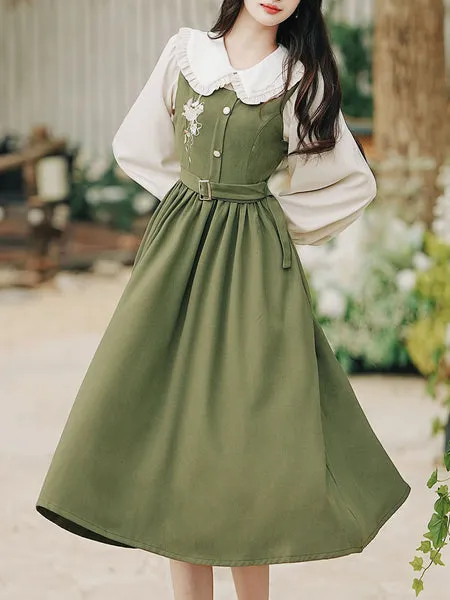
The key advantage of 50s dresses for sale is their ability to balance proportions. If you carry weight in your lower half, the full skirt skims rather than clings. If you’re petite on top, a fitted bodice with strategic details (ruching, pleats, or a collar peter pan dress neckline) adds visual interest up top.
Why Flapper Dresses Suit Straight and Athletic Builds
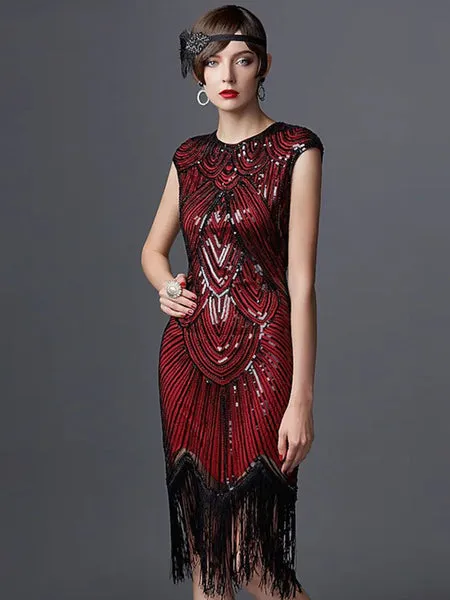
The roaring 20’s style dress takes the opposite approach: it skims the body in a straight line, with the waistline dropped to hip level or lower. This silhouette was revolutionary in the 1920s because it freed women from corsets and celebrated a more androgynous, boyish frame. Today, that same cut flatters rectangular, athletic, and inverted-triangle body types who don’t have a pronounced waist or prefer not to emphasize one.
Flapper dresses work best when:
- You have a straight torso with minimal waist definition
- Your shoulders are broader than your hips
- You prefer a relaxed, non-clingy fit through the midsection
- You want to highlight your legs and arms rather than curves
The drop-waist design creates length in the torso and draws attention downward, which can be especially flattering if you have a longer torso or want to balance broad shoulders. Beading, fringe, and Art Deco embellishments typically sit at the hip line, creating horizontal movement that adds subtle curves to a straighter frame.
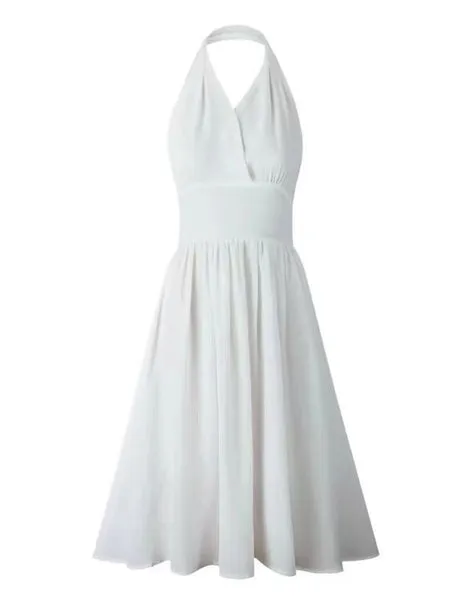
One caveat: if you have a very short torso or carry weight around your midsection, a drop waist can visually shorten your legs and emphasize the widest part of your body. In that case, a vintage white dress in a 50s silhouette will serve you better.
Comparing Fabrics, Structure, and Wearability
| Feature | 50s Dresses | Flapper Dresses |
|---|---|---|
| Waistline | Natural or slightly above | Dropped to hip level |
| Skirt shape | Full, A-line, or pencil | Straight, often fringed |
| Fabrics | Cotton, taffeta, brocade | Silk, chiffon, beaded mesh |
| Structure | Fitted bodice, often boned or lined | Loose, unstructured drape |
50s dresses typically use heavier, more structured fabrics (cotton sateen, polished cotton, or taffeta) that hold the full skirt shape. Many feature built-in boning, shelf bras, or princess seams that provide support and shape without a girdle. This makes them surprisingly comfortable for all-day wear, especially styles with sleeves or modest necklines.
Flapper dresses lean into lighter, drapier materials like silk charmeuse, chiffon, or georgette, often embellished with beads or sequins. The lack of structure means they’re easy to move in (perfect for dancing), but they can also reveal every bump and line if you’re not wearing the right undergarments. Shapewear designed for the 1920s silhouette (compression slips that smooth from bust to hip) can help if you want a sleeker line.
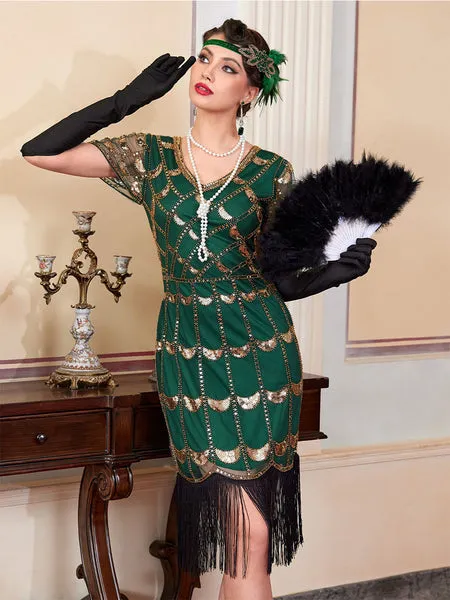
For everyday vintage wear, we recommend starting with a 50s swing dress in a cotton blend. It’s machine-washable, forgiving, and versatile enough to dress up or down. Reserve your flapper dress 1920s for special occasions where the beading and delicate fabrics will be appreciated (and protected).
Styling Tips for Each Era to Maximize Flattery
For 50s dresses:
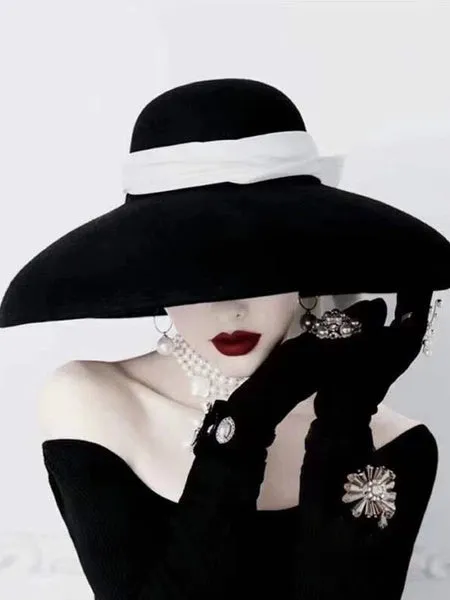
- Emphasize the waist with a wide belt or contrasting sash
- Pair with a petticoat or crinoline if you want maximum skirt volume (skip it for a softer A-line)
- Choose peep-toe pumps or T-strap heels to elongate the leg
- Add vintage dress hats or a headscarf for authentic flair
- Layer a cropped cardigan or bolero if you need sleeve coverage
For flapper dresses:
- Keep jewelry long and layered (opera-length pearls, Art Deco pendants)
- Wear T-strap or Mary Jane heels to ground the straight silhouette
- Style hair short or pinned up to show off the dress’s dropped waist
- Add a beaded clutch and feather headband for full 1920s drama
- Consider a slip or shapewear that smooths without cinching
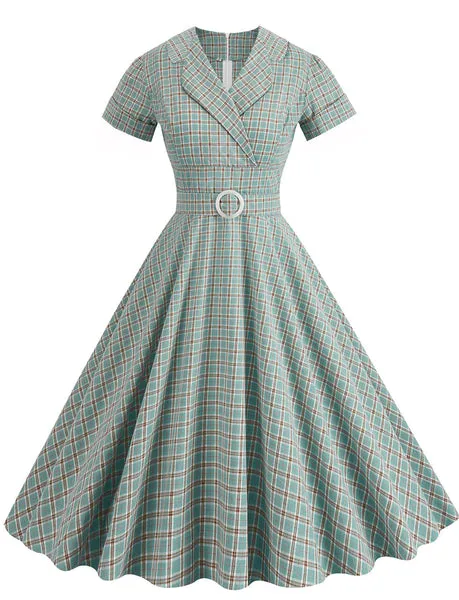
Both styles benefit from period-appropriate accessories, but don’t feel obligated to go full costume. A 50s dress looks just as chic with minimalist jewelry and sleek hair as it does with victory rolls and pearls.
Where to Shop and How to Save on Vintage Styles
Jolly Vintage curates both eras beautifully, with options that range from faithful reproductions to modern takes on retro silhouettes. You’ll find 50s dresses for sale in a variety of prints (gingham, polka dots, florals) as well as solid colors that work for both casual and formal settings. Their roaring 20’s style dress collection includes both heavily embellished statement pieces and simpler day dresses that capture the era’s spirit without the fragile beadwork.
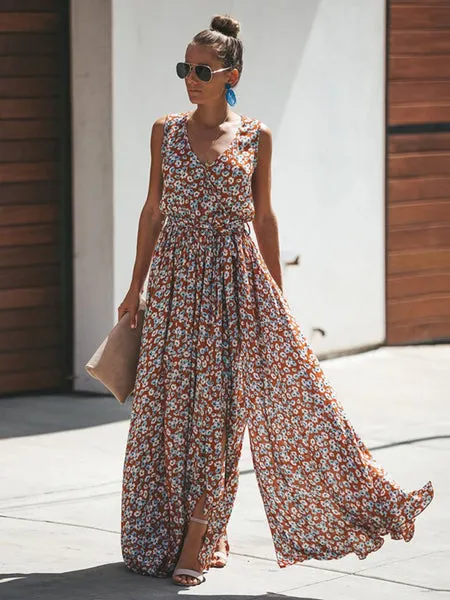
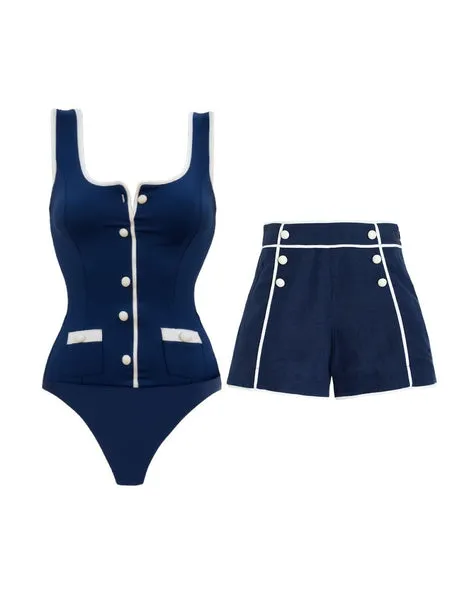
Right now, you can grab the code for 10% off all orders, which makes it easier to try both silhouettes and see which one feels right on your frame. We also recommend exploring their boho and retro swim collections if you want vintage-inspired pieces for warmer weather, the boho floral v-neck maxi sundress borrows the flowing ease of a flapper dress but with a more forgiving waistline, while retro swimsuit styles channel 50s pinup glamour with high waists and structured tops.
When you’re comparing 1950s dresses for sale cheap online, pay close attention to sizing charts and fabric content. Vintage-inspired sizing often runs smaller than modern fast fashion, and natural fibers (cotton, linen, silk) will fit and breathe better than polyester blends. If you’re between sizes, size up with a 50s swing dress (you can always take in the waist) and size down with a flapper dress (the straight cut is more forgiving when slightly snug).
Mixing Eras: When to Blend Vintage Styles
You don’t have to pick one era and stick to it exclusively. Many modern vintage lovers blend elements from both decades to create a look that’s uniquely theirs. For example:
- Pair a collar peter pan dress (a 50s staple) with a long beaded necklace (a 20s signature)
- Wear a drop-waist top with a full midi skirt to split the difference
- Layer a red top with black polka dots (very 50s) with wide-leg trousers (inspired by 20s menswear)
- Choose a vintage white dress in a tea-length cut that works for both eras depending on how you accessorize
The key is understanding what each silhouette does for your body, then borrowing the elements that flatter you most. If you love the waist definition of a 50s dress but prefer a shorter hemline, look for a swing dress in a mini or knee length. If you’re drawn to the ease of a flapper dress but need more waist shaping, try a drop-waist style with a subtle belt or sash.
Check the latest price on both styles at Jolly Vintage and experiment. Vintage fashion is meant to be fun, personal, and expressive, not a strict set of rules. Whether you land on a classic 50s swing dress or a shimmering flapper number, the best vintage style is always the one that makes you feel confident and comfortable in your own skin.
Questions
Do 50s dresses work for plus-size figures?
Yes, 50s dresses are often more flattering for plus-size bodies than flapper styles because the fitted bodice and full skirt create an hourglass shape and skim rather than cling to the hips and thighs. Look for styles with structured bodices and A-line skirts.
Can I wear a flapper dress if I have curves?
You can, but flapper dresses are designed for straighter silhouettes and may not emphasize curves the way a 50s dress does. If you love the 1920s aesthetic, choose a drop-waist style with some stretch or drape, and wear smoothing shapewear underneath for a sleeker line.
What undergarments do I need for a 50s swing dress?
A strapless or convertible bra works best, and you can add a petticoat or crinoline if you want extra skirt volume. Many reproduction 50s dresses have built-in shelf bras or boning, so you may not need much support underneath.
Are flapper dresses comfortable for all-day wear?
Flapper dresses are loose and easy to move in, but heavily beaded styles can be heavy and fragile. For all-day comfort, choose a lighter chiffon or silk version without extensive embellishment, and save the beaded styles for shorter events.
How do I know which vintage era suits my body type best?
If you have a defined waist or curvier lower half, 50s dresses will flatter you most. If you have a straighter, athletic build or broad shoulders, flapper dresses provide a more relaxed, forgiving fit. Try both to see which silhouette feels right.
Where can I find affordable 50s dresses and flapper styles?
Jolly Vintage carries both styles in a range of prices, and you can use their discount code for 10% off. Look for cotton or cotton-blend 50s dresses for everyday wear and save silk or beaded flapper dresses for special occasions.
Products in this guide
 Shopping at Jolly Vintage? See the discount code
10% OFF All Orders
Shopping at Jolly Vintage? See the discount code
10% OFF All Orders
More in this series
Choosing the Right Vintage Dress Hat for Your Face Shape18 Aug 20265 minHow Long Do Embroidered Boho Dresses Last with Regular Washing?18 Aug 20265 min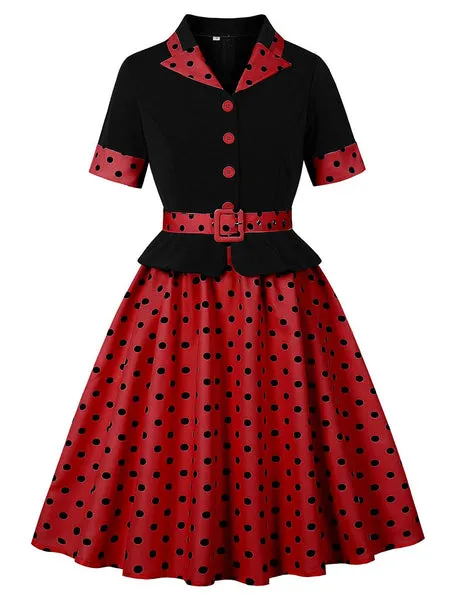 What to Wear with Polka Dot Tops: Styling Red and Black Vintage Pieces18 Aug 20264 minDo Retro Swimsuits Provide Enough Coverage and Support?18 Aug 20265 minHow to Style a Peter Pan Collar Dress for Modern and Vintage Looks18 Aug 20265 min