 A EP LIGHT guide
3D Hologram Fan vs. Hologram Projector: Which Ambient Light Fits Your Space
A hologram projector and a 3D hologram fan both create immersive light displays, but they work differently and suit different spaces.
A hologram projector and a 3D hologram fan both create immersive light displays, but they work differently and suit different spaces. Choosing between them depends on your room layout, the ambiance you want, and how much footprint you’re willing to dedicate to the effect. We’ll walk you through the real differences so you pick the right one.
What’s the difference between a hologram fan and a hologram projector?
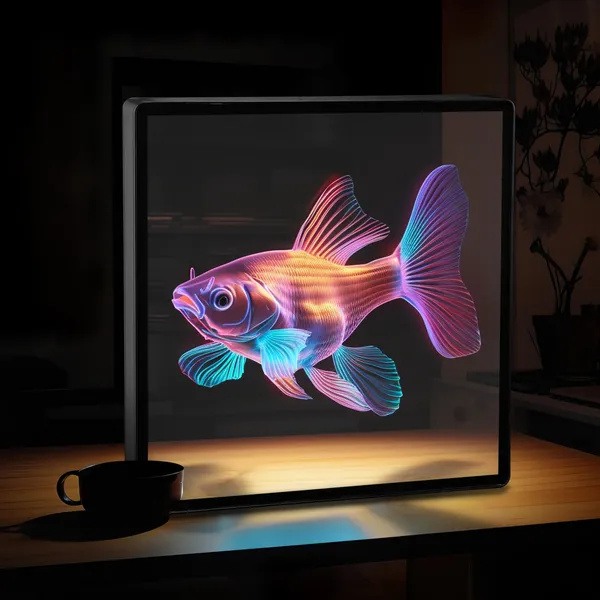
The core distinction comes down to how each creates its visual effect. A 3d hologram fan uses spinning LED blades that create the illusion of a 3D image floating in midair through persistence of vision. A hologram projector works like traditional projection, casting light onto a surface or into space to render the image.
Fans are compact and sit on a desk or shelf. They generate their effect from a fixed footprint. Projectors need clear distance between the unit and where the image appears, so they work better when you have wall space or a dedicated projection area.
Speed and responsiveness differ too. Fans display pre-loaded animations or images continuously. Projectors can often switch between multiple content sources or update what they show more readily, depending on the model.
Size, placement, and room fit
Room dimensions matter more than you might think. A 3d holographic fan typically occupies 4 to 8 inches of counter or desk space. It’s ideal for bedrooms, small offices, shelves, or any spot where you don’t have deep wall clearance.
A hologram projector needs throw distance, meaning space between the device and the wall or projection area where the effect displays. Smaller rooms may feel cramped with a projector unless you mount it high or position it in a corner. Larger living rooms, media rooms, or open offices benefit from projector setups.
Consider what’s behind the device, too. Fans work well near walls because the effect radiates outward. Projectors need an unobstructed path to where the image lands.
Aesthetic and ambiance
Both create compelling ambient lighting, but the vibe differs. Fans produce a localized, glowing effect that feels intimate and personal. They’re popular for meditation spaces, gaming setups, and collections of small decorative pieces.
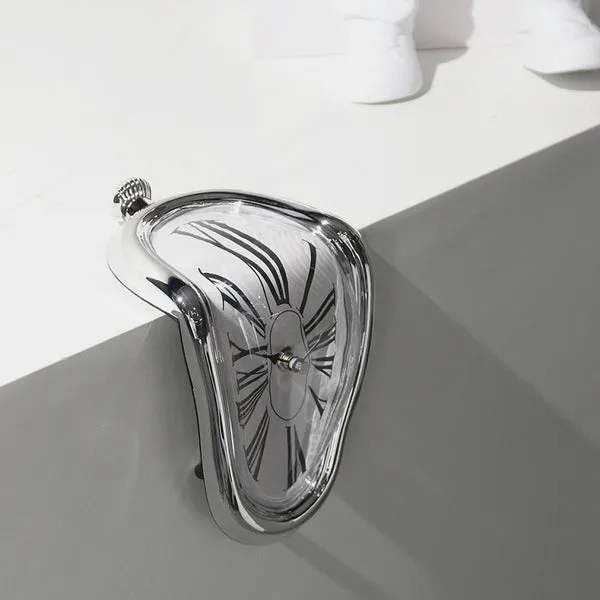
Projectors cast a broader atmosphere across a room. If you’re decorating with a theme like surrealism, you might pair a salvador dali clock with hologram lighting for a cohesive look. The larger projected image works well in social spaces or as a focal point in minimalist rooms.
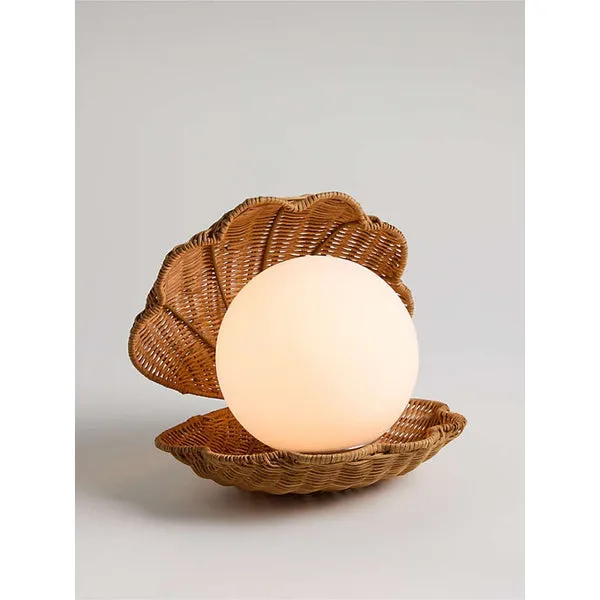
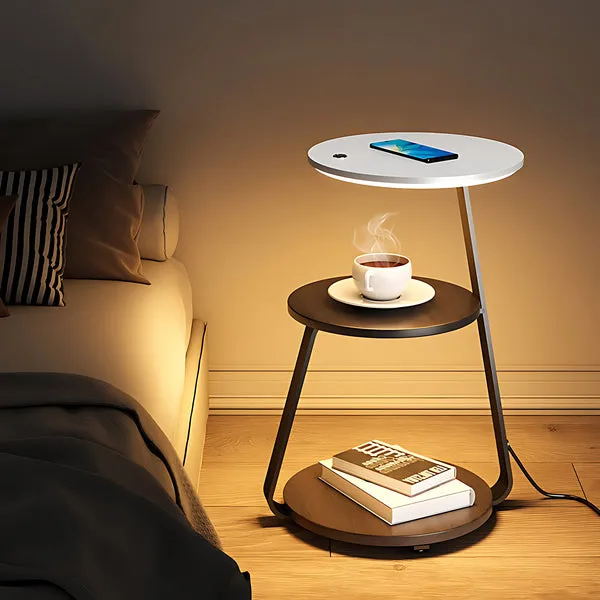
When combined with other décor like a wicker lamp or led night table, both options complement modern and retro styles. Fans tend to feel more playful; projectors feel more cinematic.
Brightness and visibility
Hologram fans usually perform best in dim or low ambient light. In a brightly lit room during daytime, the effect fades or becomes hard to see. They’re evening and night décor primarily.
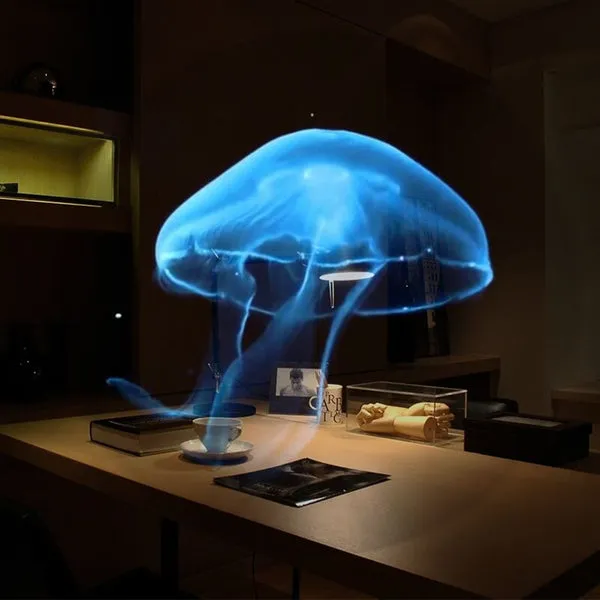
Hologram projectors vary by wattage and lens quality. Higher-end 3d hologram projector models project brighter images and work in moderate room light, though they’re still more effective when overhead lights are dimmed.
If you’re lighting a shared space and can’t control surrounding light, a projector with higher lumens output is your better bet.
Setup, maintenance, and durability
Fans are plug-and-play. No calibration needed. They sit down, you plug them in, and the effect runs. Maintenance is minimal: occasional dusting of the blades to prevent buildup. Lifespan is usually several years with normal use.
Projectors require positioning, focus adjustment, and sometimes content loading or app connection. Setup takes longer. Maintenance includes lens cleaning for dust, and some models need fan cleaning to prevent overheating. Advanced holographic devices and professional setups often include maintenance guidance.
Both are relatively durable if kept away from heat, moisture, and physical shock.
Which one should you choose?
Choose a 3d hologram fan if you want tabletop décor, have limited wall space, prefer zero-setup simplicity, or want something portable. They’re cheaper and work great in bedrooms or small rooms.
Choose a hologram projector if you have wall space or a projection area, want a room-filling effect, enjoy customizable content, or prefer a cinematic ambiance in larger spaces.
A practical middle ground: start with a fan for a specific room, then consider a projector later if you want broader coverage elsewhere. Many enthusiasts use both, treating them as different pieces of the same lighting strategy.
To compare prices and explore EP LIGHT’s full range, grab the code for 10% off all orders. Both categories are stocked with quality options.
| Feature | Hologram Fan | Hologram Projector |
|---|---|---|
| Footprint | Compact (4-8″) | Requires throw distance |
| Setup | Plug and play | Positioning and focus needed |
| Light dependency | Best in dim light | Works in moderate light |
| Ambiance | Intimate, localized | Room-filling, cinematic |
| Portability | High | Moderate to low |
Pairing hologram lighting with other décor
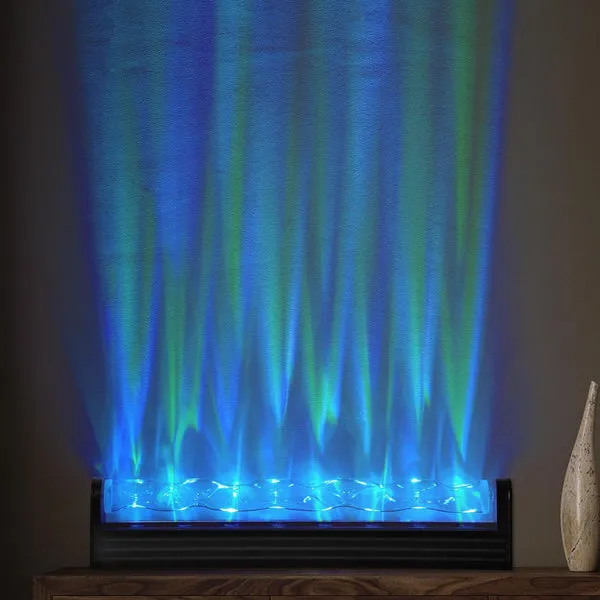
If you’re building a complete ambient lighting setup, hologram options pair beautifully with other accent pieces. A melting clock or dali clock adds surrealist flair alongside either hologram choice. An ocean lamp complements the ethereal quality of floating 3D effects.
For a coordinated look, match your hologram choice to your existing furniture style. Modern minimalist spaces favor sleek projectors. Eclectic or artistic rooms embrace the playfulness of fans, especially in clusters with smaller decorative lighting.
Check the latest price and current stock to see which options best fit your room and budget right now.
Questions
Can a hologram projector work in a bright room?
It depends on the model's brightness rating. Higher-end projectors with more lumens output work in moderate room light, but they perform best when overhead lights are dimmed. Hologram fans, by contrast, are designed for low ambient light and fade in bright conditions.
What's the difference between a 3D hologram fan and a regular hologram fan?
Both terms refer to the same technology: LED fans that create 3D illusions through spinning blades and persistence of vision. Product names may vary between retailers, but the effect and performance are essentially identical.
How much space does a hologram projector need?
A hologram projector needs clear distance between itself and where the image appears. For a typical living room, position it 6 to 10 feet from the target wall or area. Smaller rooms may feel cramped, so measure your layout before buying.
Can I use a hologram fan and a hologram projector in the same room?
Yes. Many people use fans as tabletop accent lighting and projectors for larger displays. They complement each other well and create layered ambient effects.
Which hologram option is easier to set up?
A hologram fan is plug-and-play with no calibration needed. A hologram projector requires positioning, focus adjustment, and sometimes content setup, so it takes longer to get running.
How does holographic display technology actually work?
Fans use spinning LEDs to trick the eye through persistence of vision. Projectors cast light to create images on surfaces or in space. For the technical details, [holographic display](/en.wikipedia.org/wiki/Holographic_display) covers the broader science.
Products in this guide
 Shopping at EP LIGHT? See the discount code
10% OFF All Orders
Shopping at EP LIGHT? See the discount code
10% OFF All Orders
More in this series
LED Corner Lights and Sakura Trees: Creating Mood Lighting on a Budget26 Aug 20264 minBest Smart Nightstands with Bluetooth: Storage, Lighting, and Charging Combined26 Aug 20264 minSalvador Dali Clock and Melting Clock: Surrealist Decor That Actually Works26 Aug 20264 minHow to Mount and Style a Wicker Lamp or Ocean Lamp for Maximum Impact26 Aug 20264 minDoes a Hologram Projector Really Work? What EP LIGHT Buyers Should Know26 Aug 20264 min